
Kimchi is one of the most famous Korean foods in the world, but it is also one of the easiest to misunderstand.
Many people outside Korea think kimchi means one thing: spicy red fermented cabbage. That image is not wrong, but it is only the beginning. In Korea, kimchi is not a single dish. It is a whole world of preserved vegetables, fermentation, seasonings, regional styles, family recipes, seasonal rhythms, and everyday eating.
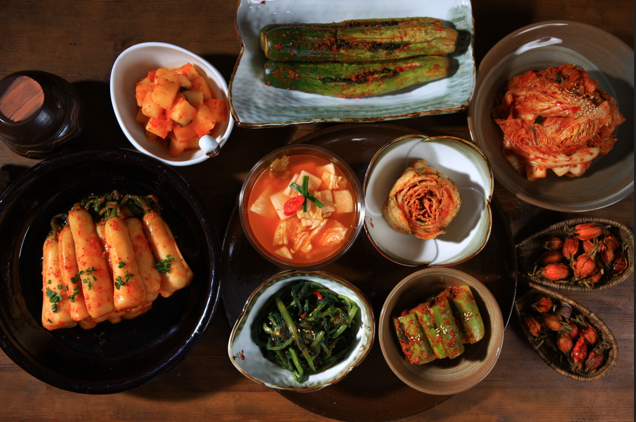
Kimchi can be spicy, sour, salty, sweet, refreshing, crunchy, deep, funky, fizzy, sharp, mild, watery, or rich. It can be made from napa cabbage, radish, cucumber, young radish greens, mustard leaves, green onions, perilla leaves, and many other ingredients. Some kimchi is red with chili powder. Some is white and mild. Some is full of broth. Some is eaten fresh. Some is aged until it becomes sour enough for stew.
In Korean life, kimchi is not treated like an exotic specialty. It is normal, familiar, and deeply emotional. It appears at breakfast, lunch, and dinner. It sits beside rice, soup, noodles, grilled meat, stews, and simple home meals. It can be a side dish, a cooking ingredient, a family tradition, a winter preparation, and a symbol of Korean identity.
UNESCO describes kimchi as preserved vegetables seasoned with spices and fermented seafood, and notes that it forms an essential part of Korean meals across class and regional differences.
To understand kimchi is to understand something important about Korea: food here is not only about taste. It is about season, survival, sharing, family, memory, and care.
What Is Kimchi?
At its simplest, kimchi is a Korean fermented vegetable dish.
Vegetables are salted, seasoned, and allowed to ferment. The most famous version is baechu kimchi (배추김치), made with napa cabbage. The cabbage is usually salted first, then seasoned between the leaves with a mixture that may include Korean red pepper powder, garlic, ginger, green onion, fish sauce, salted shrimp, and sometimes ingredients such as Korean pear, onion, radish, or rice paste.
But kimchi is not limited to cabbage. The Kimchi Museum classifies kimchi into many forms, including general kimchi, kkakdugi-style cubed radish kimchi, dongchimi-style water kimchi, geotjeori-style fresh kimchi, saengchae-style fresh seasoned vegetables, jangajji-style pickles, jjanji-style salted vegetables, and other preserved forms. It also lists many ingredient groups, including cabbage, radish, cucumber, other vegetables, mixed vegetables, seafood, meat, seaweed, and water kimchi.
This variety matters because kimchi is not just one recipe. It is more like a method, a category, and a cultural practice. Koreans can “kimchi” many vegetables by salting, seasoning, and preserving them in ways that fit the season, region, household, and meal.
Kimchi is also alive in a culinary sense. Its flavor changes over time. Fresh kimchi tastes crisp, bright, and spicy. Lightly fermented kimchi becomes more balanced. Aged kimchi becomes sour, deep, and powerful. Very ripe kimchi may be too strong to eat alone, but perfect for cooking.
That is why Koreans often talk about kimchi by age as well as by type.
Fresh kimchi is good with boiled pork, noodles, or rice.
Moderately fermented kimchi is good as a daily side dish.
Sour kimchi is perfect for kimchi stew, kimchi fried rice, kimchi pancakes, and braised dishes.
A single batch of kimchi can become many different foods as it changes.
The Basic Taste of Kimchi
Kimchi has a complex flavor because it is built from several layers.
The first layer is saltiness. Salt preserves the vegetables, draws out water, controls texture, and begins the transformation. Without salt, kimchi cannot become kimchi.
The second layer is spice. Many types of kimchi use gochugaru, Korean red pepper powder. Gochugaru gives kimchi its red color, gentle heat, and slightly smoky fruitiness. Korean chili powder is not only about burning spice. It gives warmth, color, and aroma.
The third layer is garlic and aromatics. Garlic, ginger, green onion, and sometimes onion or chives give kimchi its sharp, savory smell and flavor.
The fourth layer is umami. Many kimchi recipes use fish sauce, salted shrimp, anchovy sauce, or other fermented seafood. These ingredients make the taste deeper and more savory. Vegetarian kimchi can use other sources of depth, such as kelp, mushroom, soy sauce, or vegetable broth.
The fifth layer is sourness. This comes from fermentation. As kimchi ripens, its flavor becomes tangier and more acidic. This sourness is one of the reasons kimchi works so well with rich foods like pork belly, beef soup, fried rice, or oily pancakes.
The sixth layer is texture. Kimchi is not only about flavor. It should also have bite. Napa cabbage kimchi has layered leaves. Kkakdugi has a strong radish crunch. Cucumber kimchi is crisp and juicy. Green onion kimchi is chewy and bold. Water kimchi is light and drinkable.
Kimchi is powerful because it speaks through contrast.
It is salty but refreshing.
Spicy but sometimes sweet.
Sour but appetizing.
Strong but balanced.
Everyday but culturally deep.
Baechu Kimchi (배추김치): The Most Famous Kimchi
When most people imagine kimchi, they are thinking of baechu kimchi, or napa cabbage kimchi.
This is the red cabbage kimchi commonly served in Korean restaurants. It is made by salting napa cabbage and seasoning the leaves with a red mixture of gochugaru, garlic, ginger, green onion, fermented seafood, and other ingredients.
Baechu kimchi is important because it is flexible. It can be eaten fresh, lightly fermented, or very ripe. It can appear beside almost any Korean meal. It can also become the base for many cooked dishes.
Fresh baechu kimchi has a bright, crisp flavor. The cabbage leaves still feel lively, and the seasoning tastes fresh. This kind of kimchi is excellent with boiled pork, rice, or simple noodles.
As baechu kimchi ferments, it becomes more sour and savory. The cabbage softens slightly, the seasoning penetrates more deeply, and the flavor becomes rounder. This is the daily kimchi many Koreans eat with rice and soup.
When baechu kimchi becomes very sour, some people may not enjoy it as a cold side dish. But in Korean cooking, this is when kimchi becomes especially valuable. Sour baechu kimchi is perfect for kimchi jjigae, kimchi bokkeumbap, kimchi jeon, and braised dishes.
In other words, baechu kimchi does not have one fixed moment of perfection. Its usefulness changes as it ages.
That is one reason kimchi is so practical.
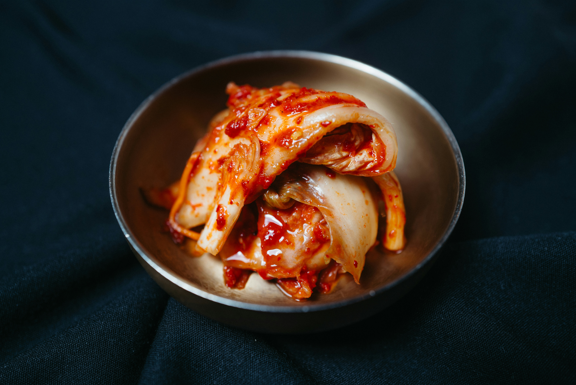
Photo: Korea Tourism Organization
Kkakdugi (깍두기): Cubed Radish Kimchi
Kkakdugi is cubed radish kimchi.
It is usually made from Korean radish, which has a firm texture and a natural sweetness. The radish is cut into cubes, salted, mixed with red seasoning, and fermented.
Kkakdugi is especially loved for its crunch. Even after fermentation, the radish keeps a satisfying bite. The flavor is spicy, slightly sweet, salty, and sour as it ripens.
In Korea, kkakdugi is strongly associated with soups and broths. It is commonly served with dishes such as seolleongtang, galbitang, gomtang, and kalguksu. These soups are rich, warm, and often mild. Kkakdugi adds acidity and crunch, cutting through the richness of the broth.
The pairing makes sense. A spoonful of rice and soup feels soft and comforting. A bite of kkakdugi wakes up the mouth. It gives contrast.
Kkakdugi also shows that kimchi is not always leafy. Shape matters. The cube shape gives the radish its own identity. It feels different from cabbage kimchi, even when the seasoning is similar.
Good kkakdugi should not be flat. It should have sweetness from the radish, brightness from fermentation, and enough spice to make the soup taste better.
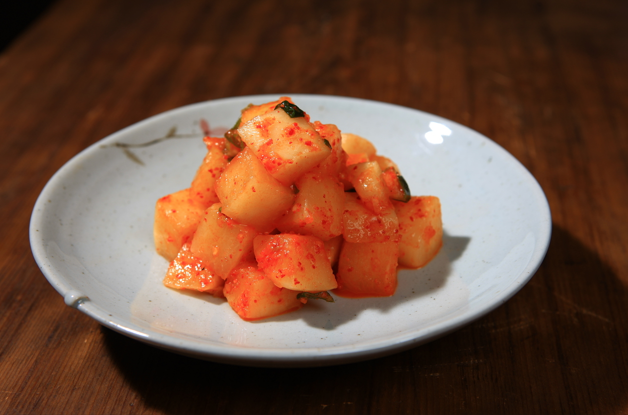
Photo: Korea Tourism Organization
Baek Kimchi (백김치): White Kimchi
Baek kimchi means white kimchi.
Unlike the most famous red kimchi, baek kimchi is made with little or no red pepper powder. It is usually mild, clean, refreshing, and elegant. It can be made with napa cabbage and filled with ingredients such as radish, pear, chestnut, jujube, pine nuts, garlic, ginger, and sometimes other delicate seasonings.
Baek kimchi is important because it breaks the common idea that all kimchi is spicy. It is not.
Baek kimchi can be gentle enough for children, older people, or visitors who cannot eat spicy food. It can also be served with strong or spicy dishes because its cool, clean flavor balances heat.
The taste of baek kimchi is not weak. It is simply different. Instead of chili heat, it emphasizes freshness, subtle sweetness, light fermentation, and refreshing broth. A good baek kimchi tastes calm and graceful.
It also reminds us that chili pepper is not the only soul of kimchi. Korea had preserved vegetables before red chili became central to modern kimchi styles. Baek kimchi gives a window into a milder, older, and more delicate side of Korean food culture.
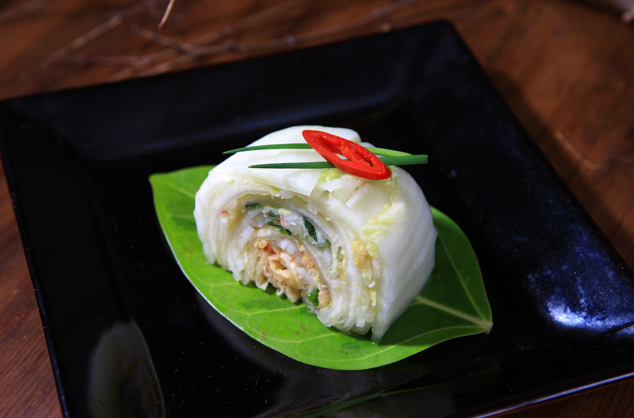
Photo: Korea Tourism Organization
Dongchimi (동치미): Winter Radish Water Kimchi
Dongchimi is a type of radish water kimchi.
It is usually made with radish, salt, garlic, ginger, green onion, and water-based brine. It is often pale or clear rather than red. The broth is an essential part of the dish.
Dongchimi is especially associated with winter. Its taste is cold, clean, lightly salty, slightly sour, and sometimes naturally fizzy from fermentation. The radish remains crisp, while the broth becomes refreshing and drinkable.
Dongchimi is not only eaten as a side dish. Its broth can be used in cold noodles, especially dishes such as dongchimi guksu or naengmyeon-style preparations. The cool sour broth gives noodles a sharp and refreshing flavor.
The experience of dongchimi is very different from red cabbage kimchi. There is no heavy chili seasoning. There is no thick paste. The power is in the clear broth and the crisp radish.
Dongchimi shows that kimchi can be quiet.
It can be refreshing instead of fiery.
It can be watery instead of thick.
It can cool the mouth instead of heating it.
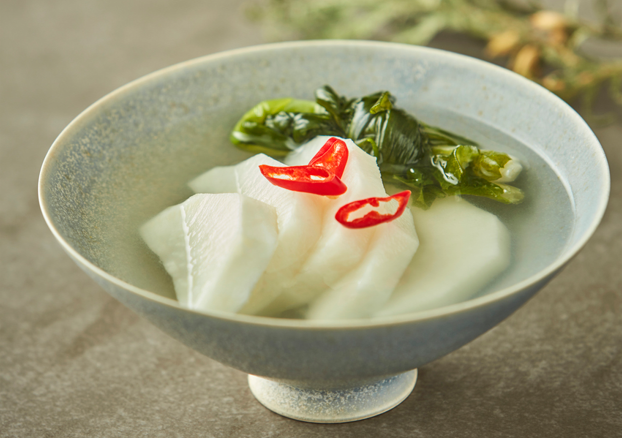
Photo: Korea Tourism Organization
Nabak Kimchi (나막김치): Light Water Kimchi
Nabak kimchi is another type of water kimchi.
It is usually made with thinly sliced radish and napa cabbage, often with a light pinkish broth from a small amount of red pepper. Compared with dongchimi, nabak kimchi is often lighter, more delicate, and more suitable for meals where a refreshing side is needed.
Nabak kimchi is commonly served during holidays or special meals because it looks beautiful and tastes clean. The thin slices of radish and cabbage float in a mild broth, sometimes with green onion, garlic, ginger, or pear.
It is not a kimchi that overwhelms the table. It supports the meal.
When Korean food becomes rich, oily, or heavy, water kimchi like nabak kimchi gives relief. It cleans the palate and makes the next bite more enjoyable.
This is an important part of Korean dining. A good Korean table is not only about strong flavors. It is about balance. Kimchi helps create that balance in many different ways.
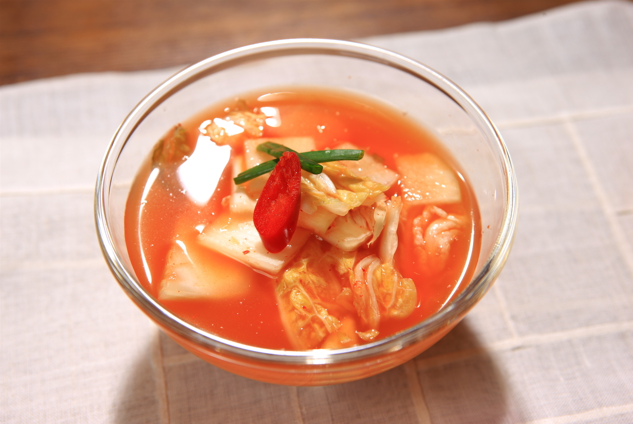
Photo: Korea Tourism Organization
Oi Sobagi (오이소박이): Stuffed Cucumber Kimchi
Oi sobagi is stuffed cucumber kimchi.
Cucumbers are cut open, usually crosswise or lengthwise, and filled with seasoning made from chives, garlic, gochugaru, fish sauce, and other ingredients. The result is crisp, juicy, fresh, and often quite fragrant.
Oi sobagi is especially popular in warmer seasons because cucumber feels cooling. It does not usually need long fermentation. Many people enjoy it while it is still fresh and crunchy.
The taste is different from cabbage kimchi. Cucumber gives more water, more snap, and a fresh green feeling. The seasoning fills the inside, so each bite has both cool cucumber and spicy filling.
Oi sobagi is excellent with rice, noodles, grilled meat, or summer meals. It shows how kimchi adapts to climate. When the weather is hot, people want something lighter, juicier, and brighter. Cucumber kimchi answers that need.
But oi sobagi also has one limitation: it does not always age as well as cabbage or radish kimchi. As cucumber sits, it can lose its crunch. That is why it is often enjoyed relatively fresh.
Some kimchi is meant to last through winter.
Some kimchi is meant to be eaten now.
Oi sobagi belongs to the joy of the present.
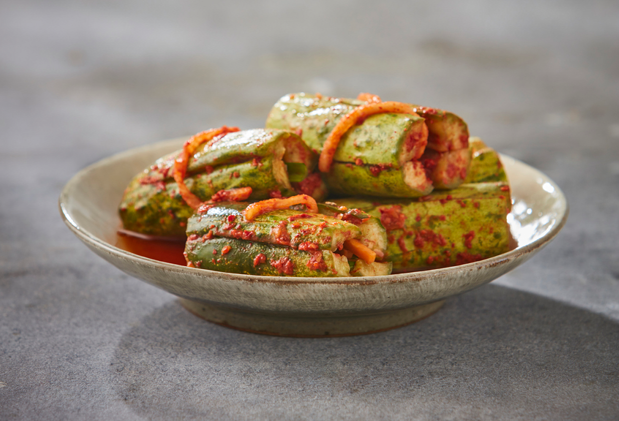
Photo: Korea Tourism Organization
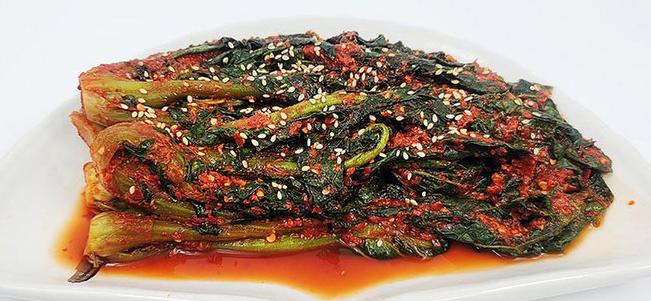
Yeolmu Kimchi (열무김치): Young Radish Greens Kimchi
Yeolmu kimchi is made with young radish greens.
It is especially loved in spring and summer. The greens are tender, slightly grassy, and refreshing. Yeolmu kimchi can be made with a red seasoning or in a lighter, more watery style.
One of the most beloved ways to eat yeolmu kimchi is with cold noodles or barley rice. In hot weather, Koreans may eat yeolmu kimchi with bibim guksu, naengmyeon-style noodles, or a simple bowl of rice mixed with gochujang and sesame oil.
The charm of yeolmu kimchi is its lightness. It is not as dense as winter cabbage kimchi. It feels seasonal and fresh. The stems and leaves give texture, while the fermentation gives a gentle sourness.
Yeolmu kimchi shows how important seasons are in Korean food. Kimchi is not just a winter food. It changes with the year. Spring and summer have their own kimchi styles, and yeolmu is one of the best examples.
Chonggak Kimchi (총각김치): Young Whole Radish Kimchi
Chonggak kimchi, also called ponytail radish kimchi, is made with small radishes and their greens.
The name “chonggak” traditionally refers to the hairstyle of unmarried men in old Korea, because the radish greens resemble a tied topknot. The kimchi is rustic, crunchy, and visually memorable.
Unlike kkakdugi, which is cut into cubes, chonggak kimchi keeps the small radish whole or mostly whole. This gives a different eating experience. You bite into the radish and greens together, getting crunch, spice, and fermented depth.
Chonggak kimchi is often more intense than mild cabbage kimchi. It has a strong radish flavor and becomes more complex as it ages.
It pairs well with rice, noodles, soups, and simple home meals. It also has a nostalgic feeling for many Koreans because it appears often in home kitchens and traditional meals.
The beauty of chonggak kimchi is that it feels humble and strong at the same time.
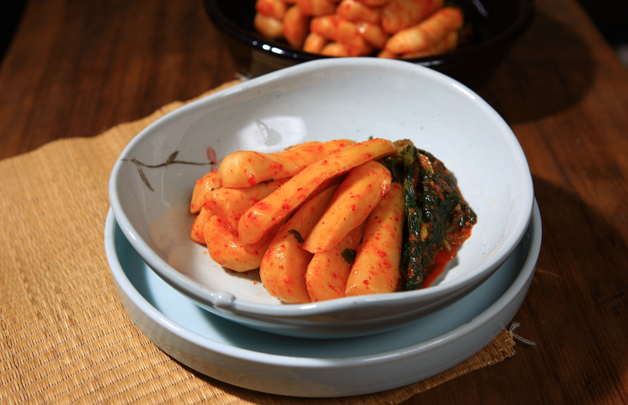
Photo: Korea Tourism Organization
Pa Kimchi (파김치): Green Onion Kimchi
Pa kimchi is green onion kimchi.
It is usually made with jjokpa, thin Korean green onions. The green onions are coated in a red seasoning and fermented. The result is bold, aromatic, spicy, earthy, and deeply savory.
Pa kimchi has a stronger personality than many other kimchi types. Green onion already has a sharp flavor, and fermentation makes it deeper. It can be intense when eaten alone, but it pairs beautifully with grilled meat, rice, and rich foods.
This is a kimchi that wakes up the table.
It is not gentle like baek kimchi.
It is not watery like dongchimi.
It is not familiar like baechu kimchi.
It is bold and direct.
Pa kimchi also shows how Korean food uses strong flavors with confidence. Garlic, onion, fermented seafood, chili, and acidity all meet in one bite. For people who love deep savory food, pa kimchi can become a favorite.
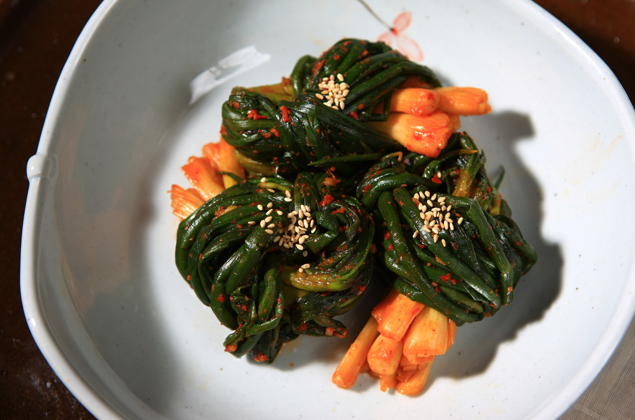
Photo: Korea Tourism Organization
Gat Kimchi (갓김치): Mustard Leaf Kimchi
Gat kimchi is made from mustard leaves.
It is especially associated with the Jeolla region, particularly Yeosu (여수)-style or Dolsan gat kimchi (돌산갓김치). The leaves have a peppery, slightly bitter, sharp flavor that becomes powerful when fermented with chili seasoning.
Gat kimchi is not always beginner-friendly. It can taste strong, leafy, bitter, spicy, and deeply fermented. But for many Koreans, that intensity is exactly the appeal.
It pairs well with rich foods, rice, pork, and hearty stews. The bitterness cuts through fat, while the sourness stimulates appetite.
Gat kimchi is a good example of regional kimchi identity. Different regions of Korea developed different kimchi styles based on climate, local vegetables, seafood, salt, and taste preferences. Southern regions, with access to seafood and warmer weather, often developed stronger, saltier, more seafood-rich kimchi styles.
Kimchi is local.
It carries the flavor of place.
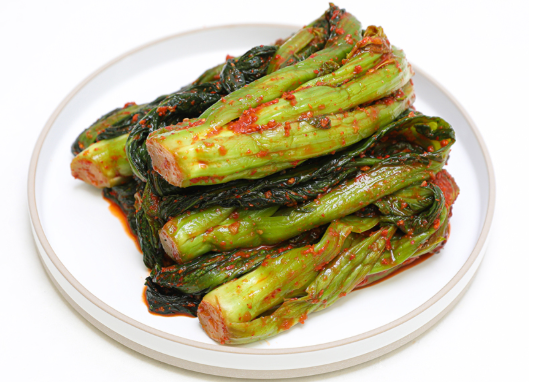
Photo: Korea Tourism Organization
Geotjeori (겉절이): Fresh Kimchi
Geotjeori is fresh kimchi.
It is usually made by seasoning cabbage or other vegetables and eating them soon after, without long fermentation. Because it is fresh, the texture is crisp and the flavor is bright.
Geotjeori is often served with dishes like kalguksu, bossam, or simple rice meals. It has the flavor of kimchi seasoning but not the deep sourness of aged kimchi.
This makes geotjeori easy to enjoy for people who are new to kimchi. It tastes lively, spicy, and fresh rather than funky or deeply fermented.
But geotjeori should not be seen as “unfinished kimchi.” It has its own purpose. Sometimes the meal needs freshness, not age. Sometimes crisp cabbage with bright seasoning is better than sour fermented kimchi.
In Korean dining, timing matters.
Freshness and aging both have value.
Geotjeori celebrates the fresh side of kimchi.
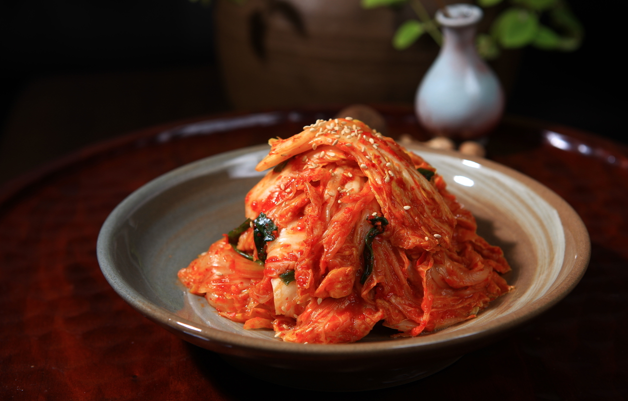
Photo: Korea Tourism Organization
Kimchi by Region
Kimchi changes by region.
In colder northern regions, kimchi was traditionally often milder, less salty, and sometimes more watery because fermentation could proceed more slowly in colder weather.
In warmer southern regions, kimchi often needed stronger salting and bolder seasoning to last. Southern kimchi may use more fermented seafood, giving it a deeper and more intense flavor.
Coastal regions may use more seafood-based ingredients.
Inland regions may emphasize vegetables, mountain herbs, or simpler seasonings.
Jeolla-style kimchi is often known for rich flavor and generous seasoning.
Gyeongsang-style kimchi can be bold and salty.
Jeju kimchi may reflect island ingredients and seafood culture.
These are broad tendencies, not strict rules. Every family has its own method. Every household may say, “Our kimchi is different.”
That is part of the charm.
Kimchi is national, but it is also personal.
There is Korean kimchi, regional kimchi, village kimchi, family kimchi, and grandmother’s kimchi.
How Kimchi Changes Over Time
One of the most important things to understand about kimchi is that it is never completely still.
The flavor changes every day.
When kimchi is newly made, the vegetables are crisp and the seasoning is fresh. The taste may be salty, spicy, garlicky, and bright.
After a few days, fermentation begins to deepen. The sharpness becomes rounder. The vegetables absorb the seasoning. The kimchi becomes more balanced.
After more time, sourness grows. The kimchi becomes tangy and strong. Some people love this stage as a side dish, while others prefer to cook with it.
When kimchi becomes very sour, it becomes one of the best ingredients in Korean home cooking. Sour kimchi gives depth to stews, fried rice, pancakes, dumplings, braised fish, and stir-fries.
This aging process is one reason kimchi is so useful. It does not simply “go bad” quickly like many fresh foods. Properly stored kimchi transforms.
A Korean household may think about kimchi in stages:
Fresh kimchi for eating right away
Moderately fermented kimchi for daily meals
Sour kimchi for cooking
Very aged kimchi for deep stews or special dishes
Learning to enjoy kimchi means learning to enjoy time.
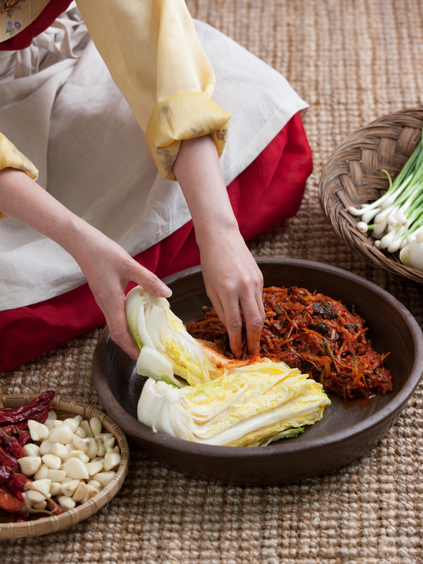
Photo: Korea Tourism Organization
How Koreans Eat Kimchi
Kimchi appears in Korean meals in many ways.
The simplest way is as banchan, a side dish. A small plate of kimchi sits on the table with rice, soup, and other dishes. Diners take small bites between bites of rice or main food.
Kimchi is especially good at balancing richness.
With grilled pork belly, kimchi cuts through fat.
With beef soup, kkakdugi adds acidity.
With rice, cabbage kimchi gives flavor.
With noodles, water kimchi gives freshness.
With fried food, sour kimchi wakes up the palate.
Kimchi can also be cooked.
Some of the most beloved kimchi dishes include:
Kimchi jjigae: kimchi stew, often with pork and tofu
Kimchi bokkeumbap: kimchi fried rice
Kimchi jeon: kimchi pancake
Kimchi mandu: dumplings with kimchi filling
Kimchi guk: lighter kimchi soup
Kimchi jjim: braised kimchi, often with pork
Kimchi ramyeon: instant or homemade noodles with kimchi
Dubukimchi: tofu served with stir-fried kimchi
Older kimchi is especially useful for cooking. Its sourness becomes deep and savory when heated. This is why Koreans often keep ripe kimchi instead of throwing it away.
In Korean cooking, sour kimchi is not a problem.
It is an ingredient.
Kimchi and Korean Identity
Kimchi is deeply connected to Korean identity.
This does not mean every Korean eats kimchi every day, or that everyone makes kimchi at home. Modern life is changing. Some people buy kimchi from supermarkets. Some receive it from parents. Some eat less kimchi than older generations. Some live alone and keep only a small container. Some young people prefer restaurant kimchi to homemade kimchi.
But even with these changes, kimchi remains emotionally powerful.
It represents home.
It represents Korean taste.
It represents the table.
It represents winter preparation.
It represents mothers and grandmothers.
It represents regional pride.
It represents survival through cold seasons.
It represents sharing.
Many Koreans living abroad miss kimchi not only because of its taste, but because it creates a feeling of home. A bowl of rice and kimchi can be enough to make a person feel connected to Korea again.
That is why kimchi is often called “soul food,” even though that phrase can sound simple. Kimchi is not just a famous national dish. It is part of the emotional grammar of Korean life.
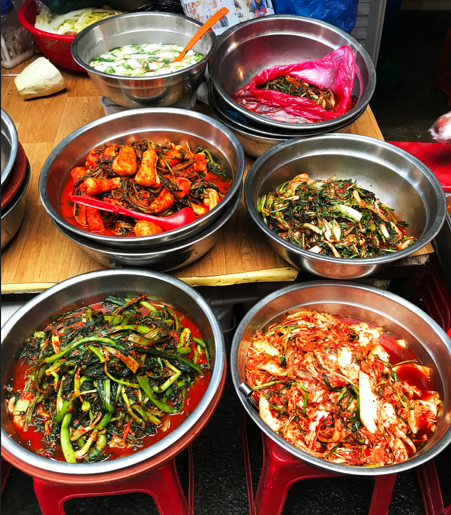
Photo: Korea Tourism Organization
Kimchi in Modern Korea
Kimchi culture continues to change.
Many people still make kimchi at home, but many also buy it. Supermarkets sell packaged kimchi in many sizes. Restaurants often make their own kimchi or buy from suppliers. Online kimchi delivery is common. Families may order kimjang kimchi instead of making it themselves.
Household size has changed too. In the past, large families needed large amounts of kimchi. Today, many people live alone or in small households, so smaller packages are more practical.
Kimchi refrigerators also changed the way people store kimchi. Instead of relying on winter outdoor temperatures, modern households can control storage indoors. This makes kimchi more consistent and manageable.
At the same time, kimchi has become global. It appears in foreign restaurants, fusion dishes, health food stores, cooking videos, and international supermarkets. People use kimchi in tacos, burgers, pasta, grilled cheese, fried rice, noodles, and salads.
Some Koreans enjoy these changes. Others worry that global kimchi may lose its cultural meaning. Both reactions are understandable.
Food travels. When it travels, it changes.
The important thing is to remember where kimchi comes from and what it means.
Kimchi is not only a flavor trend.
It is a Korean food culture with deep roots.