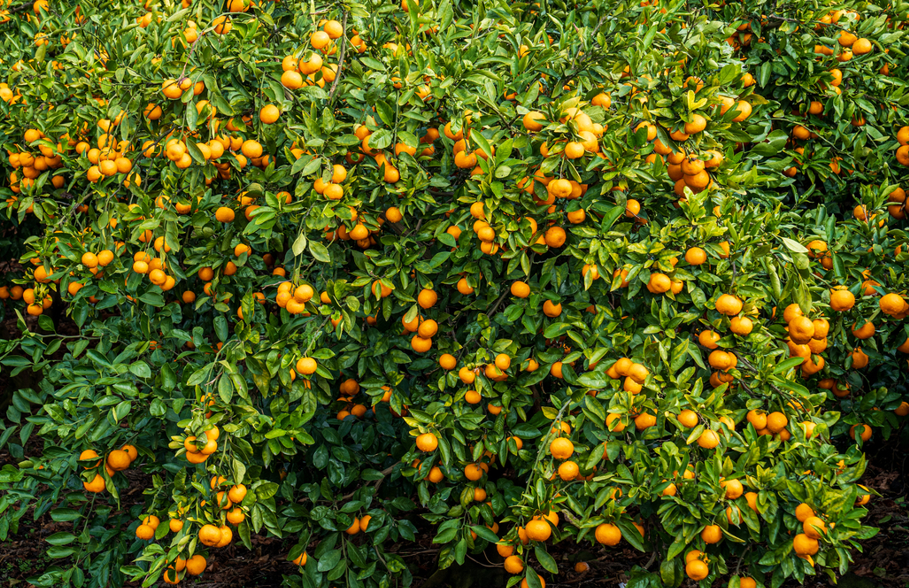

When winter arrives in Korea, boxes of gyul (귤) appear in homes, markets, and supermarkets. These small, easy-to-peel citrus fruits are sweet, juicy, and slightly tart. They are affordable and familiar, and many people enjoy them throughout the season.
Jeju Island is especially famous for its tangerines. In winter, visitors can find citrus farms, seasonal picking experiences, and cafés serving drinks made with local citrus.
Quick Facts About Korean Tangerines
- Korean name: 귤 (gyul)
- Broader citrus term: 감귤 (gamgyul)
- Best-known growing region: Jeju Island (제주도)
- Main season: Late fall and winter; timing varies by variety
- Taste: Sweet, juicy, and pleasantly tart
- Where to find them: Supermarkets, traditional markets, fruit shops, and Jeju farms
What Are Gyul?
In everyday Korean, gyul usually means the familiar small tangerines that are easy to peel. Gamgyul (감귤) is a broader term for citrus fruit. Jeju is Korea’s best-known citrus-growing region, and its tangerines are a familiar sight during the colder months.
The classic Jeju tangerine is small and round, with a thin orange peel. Its segments separate easily, so it can be eaten without a knife or plate. Depending on the variety and ripeness, it may taste sweeter or more tart.
Tangerines also contain vitamin C, making them an easy way to add fruit to winter meals and snacks.
A Familiar and Affordable Winter Snack
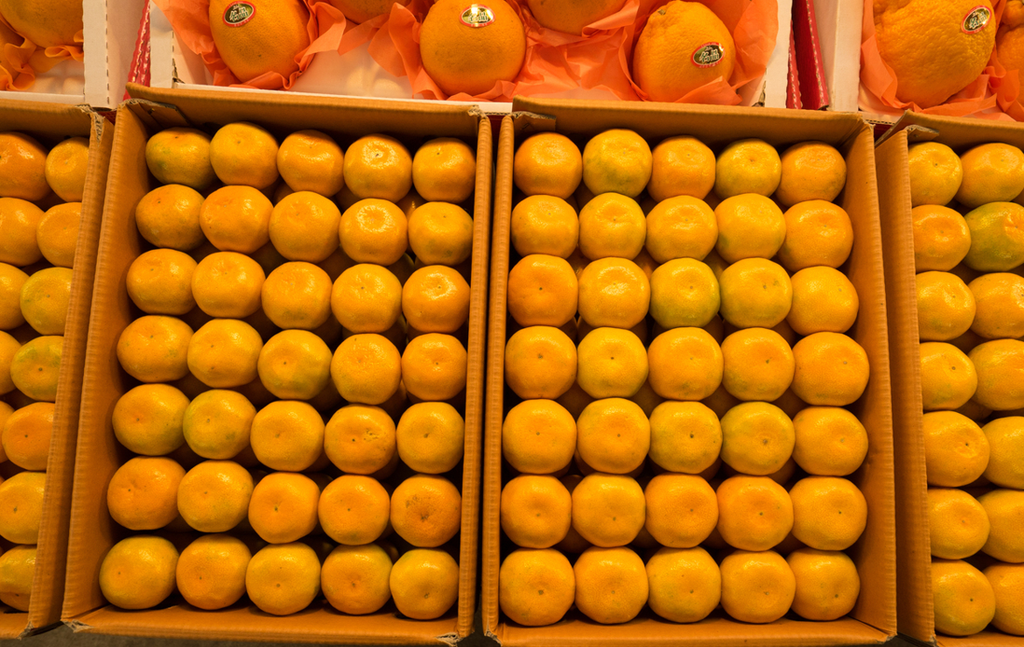
In many Korean homes, a box of tangerines is kept within easy reach in winter. People peel them while watching TV, chatting with family, or taking a break. Since ordinary tangerines are generally affordable and easy to share, they feel like an everyday fruit rather than a special-occasion treat.
Some schools serve a tangerine as dessert with lunch during the winter. School menus vary, but fruit is a familiar part of Korean school meals.
There is also a familiar joke in Korea: eat too many tangerines and your hands may turn yellow. The yellow-orange color can come from carotenoid pigments in foods when someone eats a large amount over time.
When Are Korean Tangerines in Season?
Jeju’s regular mandarin harvest generally begins in November, making tangerines one of the fruits most associated with Korean winter. Different varieties ripen at different times, so the citrus season lasts for several months. Greenhouse-grown fruit may also be available at other times of year.
At home, people often buy a box to share with family. Because tangerines are small and easy to peel, they make a convenient snack during the colder months.
Jeju Tangerines and Citrus Farms
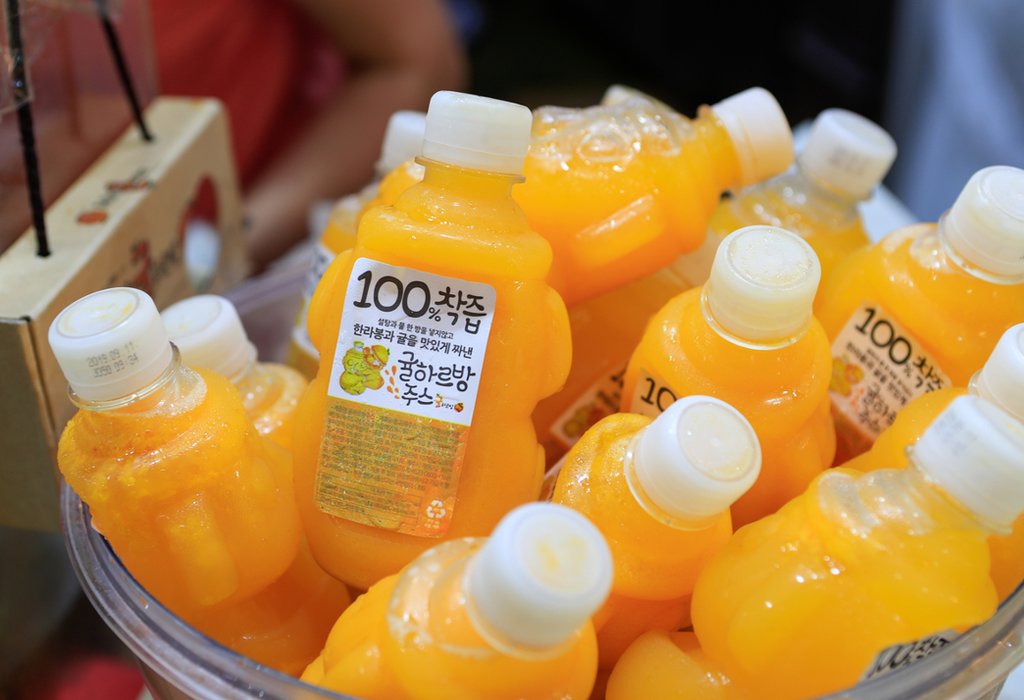
Jeju’s citrus orchards are part of the island’s landscape. In winter, visitors may find farms that offer seasonal tangerine-picking experiences. Some Jeju cafés serve drinks made with local citrus, such as tangerine juice, Hallabong smoothies, and citrus ades. Offerings depend on the farm, café, and season.
If you visit a citrus farm, check ahead to see whether picking is available and whether you need a reservation.
Premium Jeju Citrus: Hallabong, Cheonhyehyang, and Redhyang
Today, Jeju is also known for larger citrus varieties such as Hallabong (한라봉), Cheonhyehyang (천혜향), and Redhyang (레드향). These are often grouped under the Korean term mangamryu (만감류). They are usually more expensive than ordinary tangerines and are commonly sold in gift boxes for holidays and family visits.
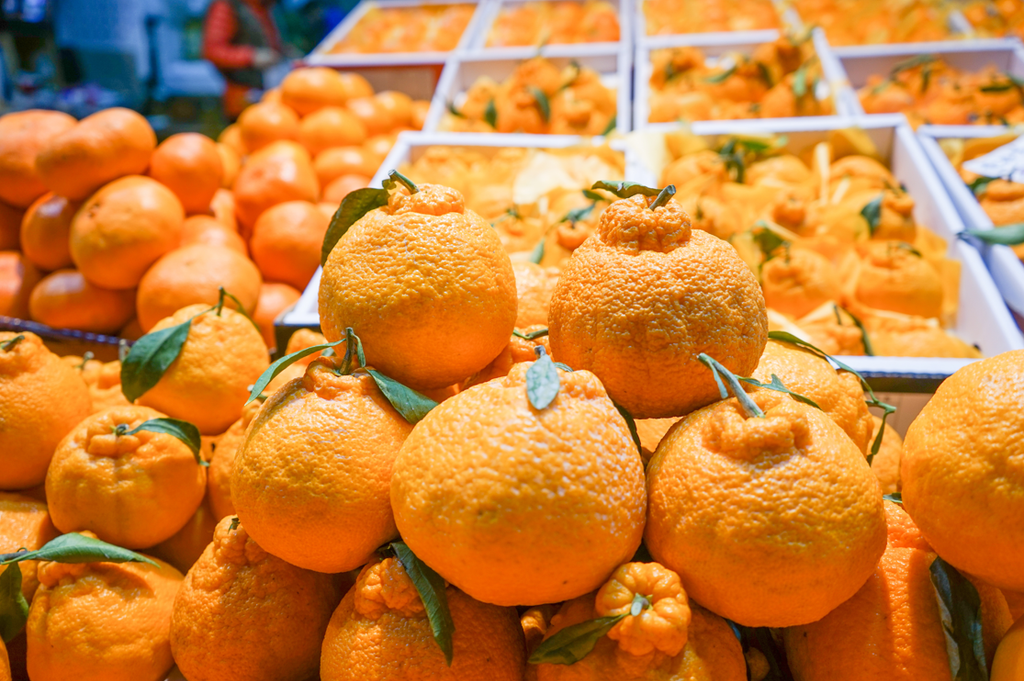
These named varieties became familiar in Korea relatively recently compared with ordinary tangerines. Hallabong began to be grown commercially in Jeju in the late 1990s, Cheonhyehyang followed in the early 2000s, and Redhyang became established later. Before they became widely available, ordinary tangerines were the familiar citrus fruit most people bought for everyday winter snacking.
- Hallabong (한라봉): A large citrus fruit with a distinctive bump at the stem end. Its name recalls Hallasan Mountain (한라산), Jeju’s highest mountain. Hallabong is known for its sweet flavor and juicy flesh.
- Cheonhyehyang (천혜향): A fragrant citrus hybrid with a relatively thin peel.
- Redhyang (레드향): A popular citrus hybrid with a deep orange color and sweet flavor.
These fruits are harvested later than many ordinary tangerines, and their season often extends into winter and early spring.
How to Eat Korean Tangerines
Most Korean tangerines are eaten fresh. Peel one with your hands, separate the segments, and enjoy. They are easy to share at home, at school, at work, or on a trip.
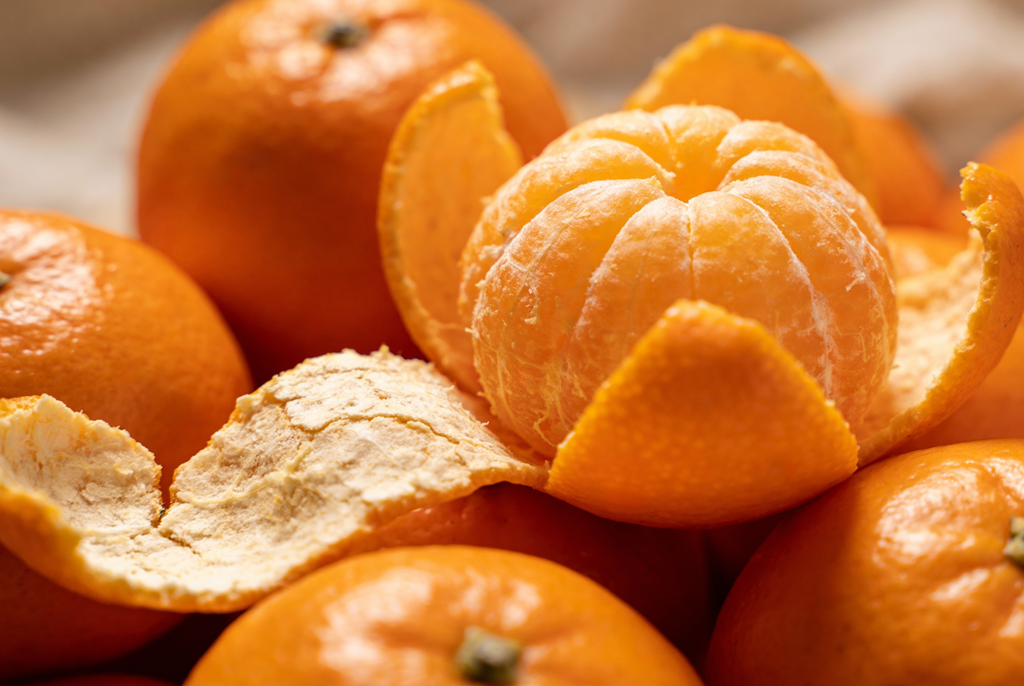
Many people like them cool but not overly cold. Keep unpeeled tangerines in a cool place, or refrigerate them if you prefer to eat them chilled.
A Taste of Korean Winter
For many people in Korea, winter evenings and a box of tangerines go together. Ordinary tangerines are affordable, easy to peel, and simple to share. The newer premium varieties, meanwhile, are prized as seasonal gifts. Whether you try everyday Jeju gyul or a gift-box variety such as Hallabong, tangerines are one of the familiar pleasures of winter in Korea.
Read Next
Korean Fruits by Season: A Guide to Fruit in Korea –