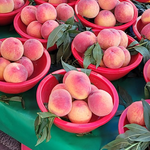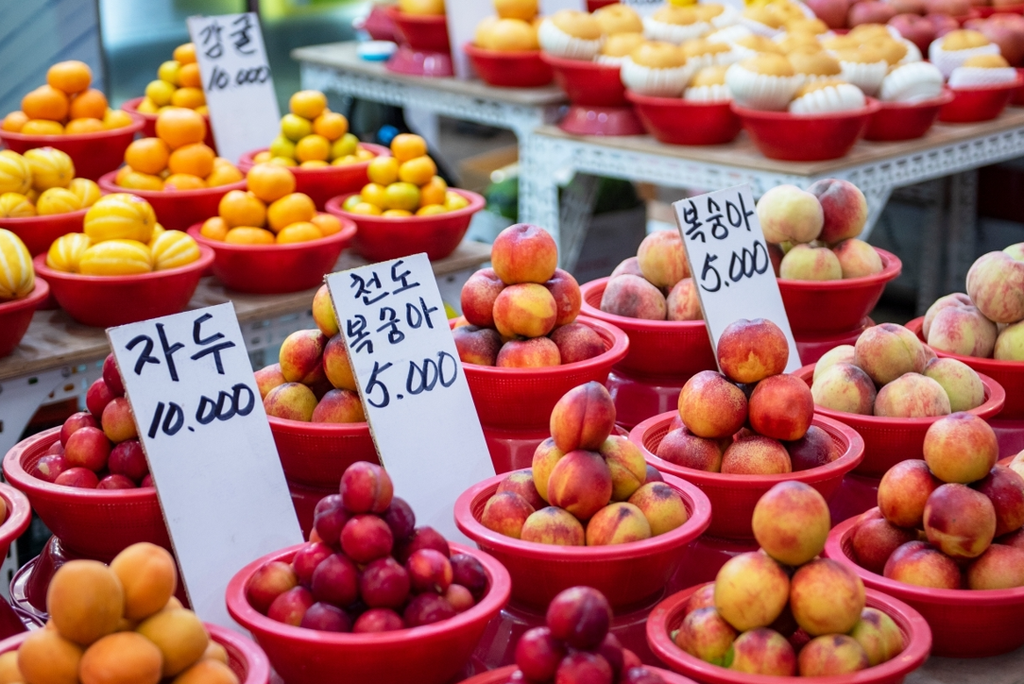

Korean plums are juicy summer fruits with smooth skin and a sweet-and-sour flavor. Their skin can be red, purple, or yellow, and their flesh ranges from pale yellow to reddish. Different varieties ripen from early summer into autumn. The Korean word jadu (자두) refers to the plums commonly eaten fresh. They are different from maesil (매실), a tart fruit often used to make syrup and other preserves.
Quick Facts About Korean Plums
- Korean name: 자두 (jadu)
- What they are: Juicy, smooth-skinned stone fruit
- Main season: Usually June through September, depending on the variety
- Popular varieties: Daeseok Josaeng, Formosa—often called Hoomusa—and Chuhee
- Major growing areas: Uiseong, Gimcheon, and Yeongcheon in Gyeongsangbuk-do
- How to enjoy them: Fresh, chilled, or made into juice and jam
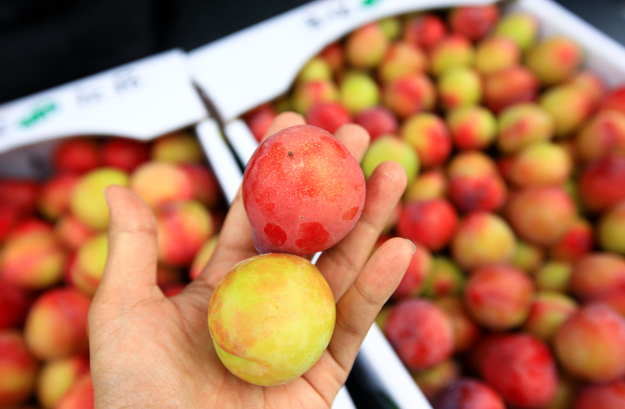
What Are Korean Plums Like?
Korean plums are usually eaten fresh. Their flesh is juicy, and their flavor is generally sweet and tart. The skin and the flesh closest to the stone can taste especially sour, so some people peel the fruit or cut the flesh away from the stone before eating. Others enjoy the plum whole, skin and all.
The fruit is small, so when you bite into it, you may taste some of the tart flesh around the stone. That contrast between sweet flesh and tangy skin is part of what makes plums distinctive.
Popular Plum Varieties in Korea
Daeseok Josaeng (대석조생)
Daeseok Josaeng is one of the earliest plums of the Korean season. In open-field cultivation, it is generally harvested in late June. It is relatively small, with soft flesh and a sweet-and-sour flavor.
Formosa, or Hoomusa (포모사·후무사)
Formosa is a larger plum that usually appears after Daeseok Josaeng. In Korea, growers and shoppers often call it Hoomusa (후무사). It is generally harvested around mid-July and is known for its generous size and juicy flesh.
Chuhee (추희)
Chuhee is a late-season plum, usually harvested in early September. It extends the plum season beyond the main summer harvest. It is grown in areas including Gimcheon, where it is an important variety.
The Plum Blossom: Oyat-kkot (오얏꽃)
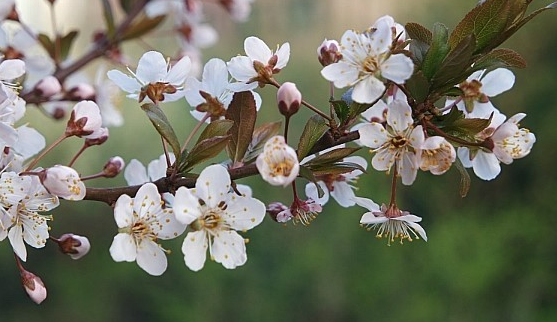
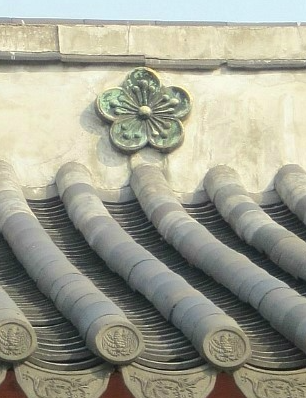
The flower of the Korean plum tree is called oyat-kkot (오얏꽃), also known by its Sino-Korean name ihwa (이화, 李花). It became an official emblem of the Korean Empire’s royal house and is also used as a symbol by the Jeonju Yi clan.
When Is Plum Season in Korea?
Korean plums are generally in season from June through September. Early varieties such as Daeseok Josaeng arrive in late June, while Formosa is typically harvested in July. Chuhee ripens much later, around early September. Exact dates vary by region, farm, and weather. During the season, fresh plums are sold at traditional markets, supermarkets, and fruit shops. Some farms offer orchard visits or fruit-picking experiences, but programs and dates vary by location.
Where Are Plums Grown in Korea?
Uiseong, Gimcheon, and Yeongcheon in Gyeongsangbuk-do are among Korea’s major plum-growing areas. Gimcheon is especially known for late-season Chuhee plums. If you visit during harvest, you may find locally grown plums at markets and farm shops. The varieties and harvest dates differ from one area to another.

Korean Plums and Maesil Are Different
The English word “plum” can refer to different fruits, which can make Korean fruit names confusing.
- Jadu (자두): The juicy fruit commonly eaten fresh in summer.
- Maesil (매실): A different fruit, often harvested while green and used to make maesil-cheong (매실청), a sweet syrup, or maesil-ju (매실주), plum-infused liquor.
Jadu and maesil are botanically different fruits. If you see maesil-cheong on a menu or in a Korean kitchen, it is made with maesil—not the ripe summer jadu sold in fruit shops.
How to Eat Korean Plums
Keep plums chilled in the refrigerator, then rinse them under cold running water before eating. You can bite into a plum as it is, or peel it with a small knife and cut the flesh away from the stone. The skin and the flesh around the stone can be quite tart, so peeling and slicing are helpful if you prefer a milder taste. Plums are also made into juice and jam. Fresh plums, however, are most often enjoyed as a seasonal fruit.
Are Plums Healthy?
Plums contain water, dietary fiber, and nutrients such as vitamin C. Their nutritional content varies by variety and serving size, so enjoy them as one part of a varied diet. From the early-summer Daeseok Josaeng to the late-season Chuhee, Korean plums offer a range of flavors throughout the warmer months. Look for jadu at a Korean market in summer, and remember that maesil is a different fruit used for syrups and preserves.