Skip to content
Kimbap Life

Korean Food, Culture & Travel Guide

  • Region
    • Seoul
    • Jeju
    • Incheon
    • Busan
  • Companies
  • People
  • Korean Lifestyle
    • Home & Daily Life
  • History & Tradition
  • Food
    • Food Culture
    • Drinks
    • Dishes & Ingredients

Food Culture

  • Home
  • Food Culture
image
Posted inFood Food Culture History & Tradition

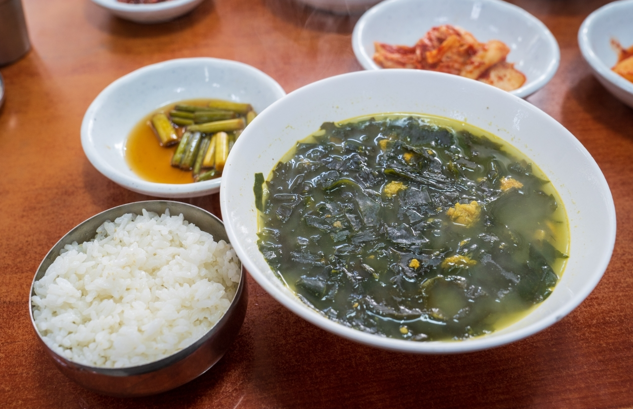
Korean Birthday Celebrations: Miyeok-guk and the Traditional Birthday Table

Birthdays in Korea are celebrated with family, friends, food, and a few distinctive customs. One of the most recognizable Korean birthday traditions is eating Miyeok-guk (미역국), a soup made with…
Posted by Min 2026-11-10
image
Posted inFood Food Culture

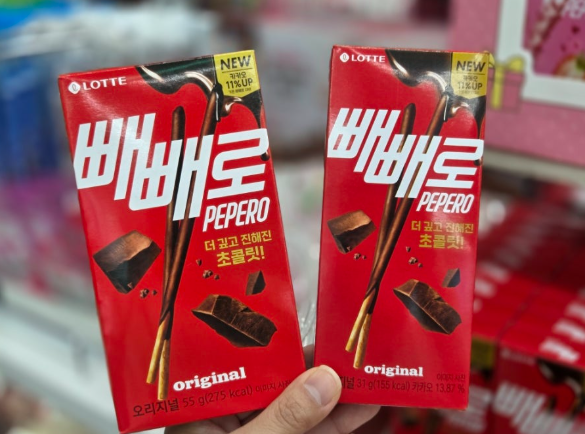
Pepero Day (빼빼로데이): Why Koreans Exchange Pepero on Nov 11

Pepero is a chocolate-covered biscuit stick made by Lotte Wellfood, a South Korean company. First introduced in Korea in 1983, the snack is now sold in many countries. Around November…
Posted by JIN 2026-11-08
image
Posted inFood Food Culture

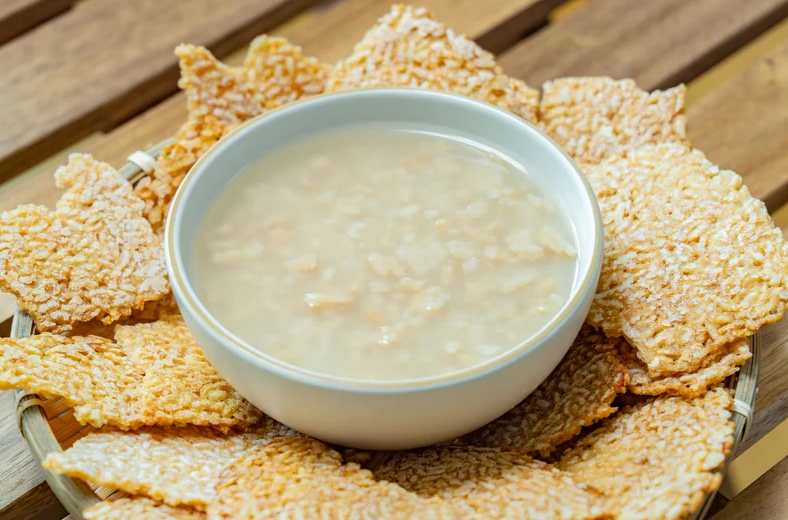
Nurungji: Korea’s Crispy Rice Comfort Food

Scorched rice is the crisp, golden layer that can form at the bottom of a pot—and, less often, a rice cooker—when rice is cooked. In Korea, it is called nurungji…
Posted by JIN 2026-11-07
image
Posted inFood Food Culture

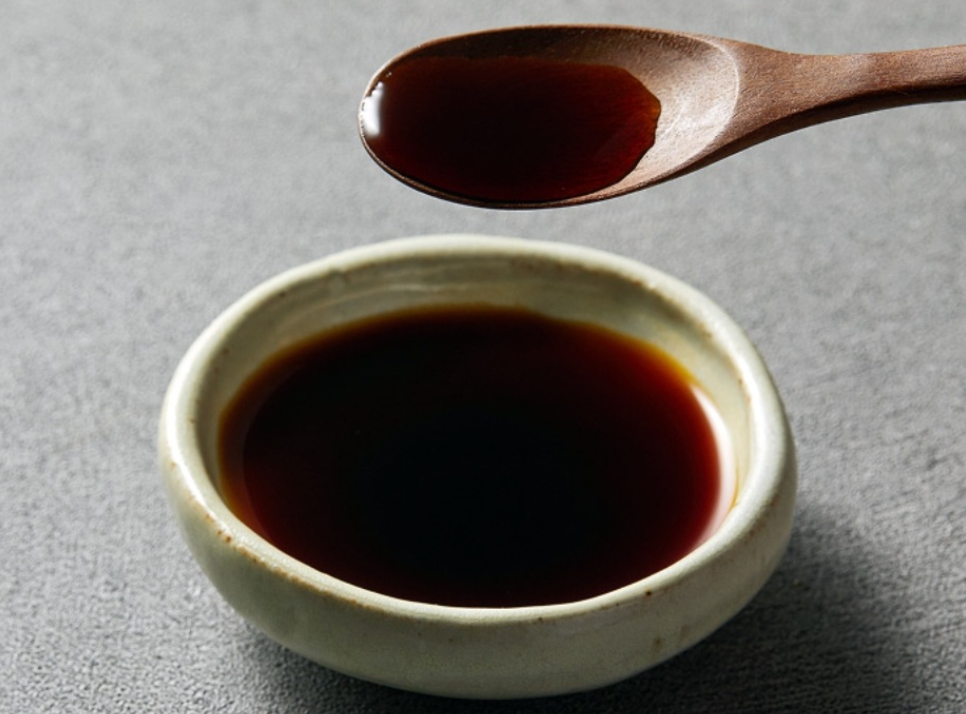
Korean Ganjang (간장): Types of Korean Soy Sauce

Ganjang (간장) is Korean soy sauce, a seasoning used to add saltiness, savory flavor, and color to food. It is part of the Korean family of fermented seasonings called jang…
Posted by Min 2026-10-31
image
Posted inFood Food Culture

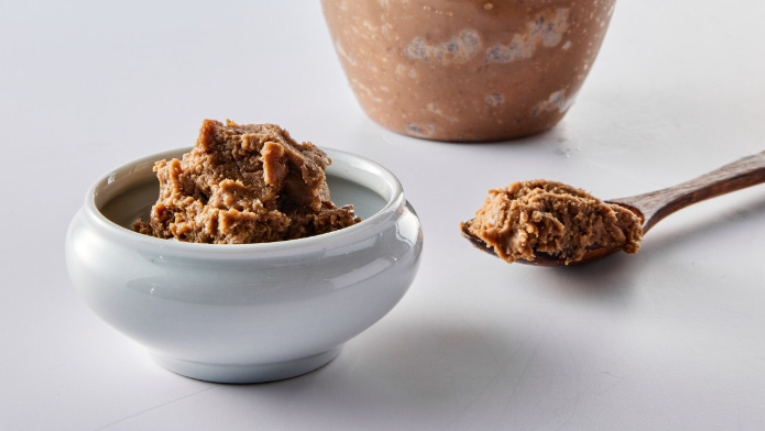
Korean Doenjang (된장): Fermented Soybean Paste

Doenjang (된장) is a traditional Korean fermented soybean paste with a deep, savory flavor. It is best known as the main seasoning in doenjang jjigae (된장찌개), a hearty stew often…
Posted by Min 2026-10-31
image
Posted inFood Food Culture

Korean Gochujang (고추장): Korea’s Fermented Chili Paste

Gochujang (고추장) is a thick, red Korean paste with a spicy, savory, and slightly sweet flavor. It is used in familiar dishes such as tteokbokki (떡볶이), bibimbap (비빔밥), and gochujang…
Posted by Min 2026-10-31
image
Posted inFood Food Culture

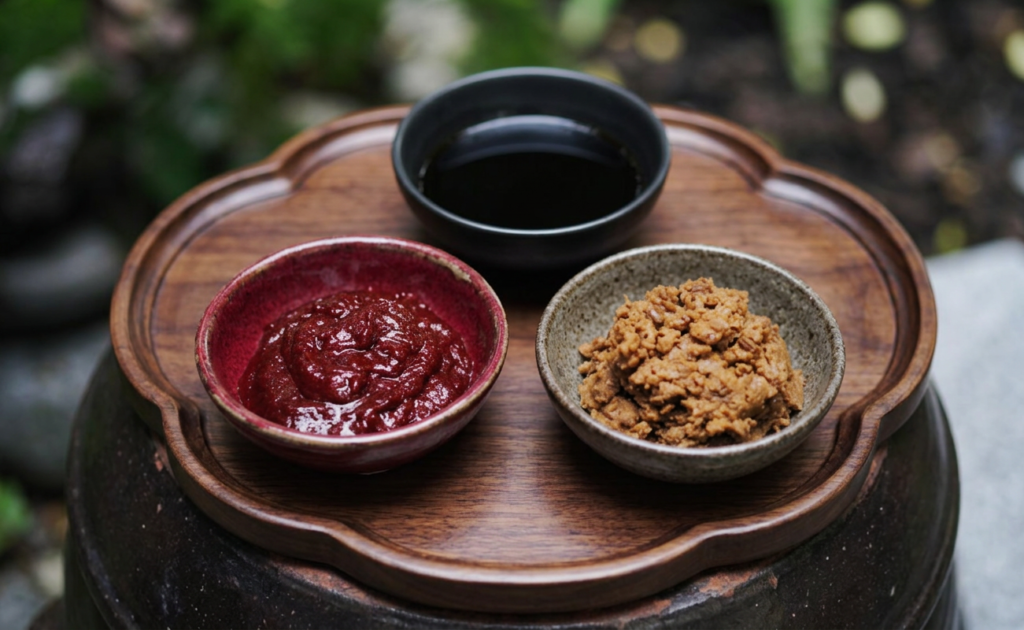
Korean Jang (장): Gochujang, Doenjang, and Ganjang

Many Korean dishes get their deep, savory flavor from jang (장), a family of traditional fermented sauces and pastes. The three best-known kinds are gochujang (고추장), doenjang (된장), and ganjang…
Posted by Min 2026-10-31
image
Posted inFood Food Culture

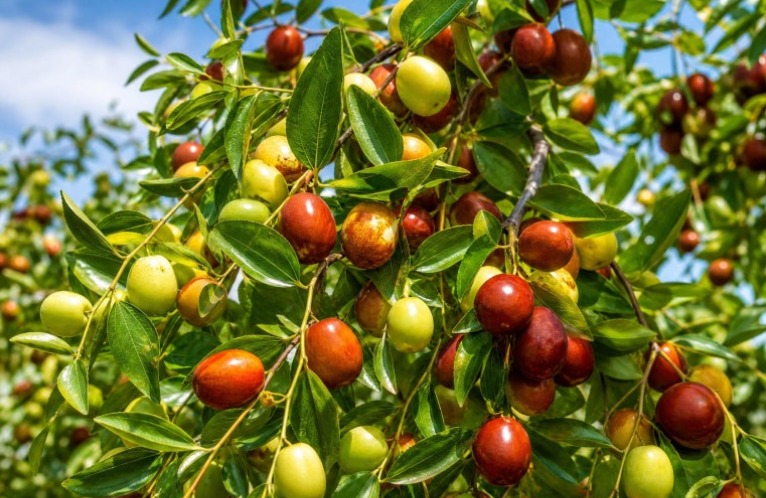
Korean Fruit: Korean Jujube (Daechu, 대추)

Daechu (대추), or Korean jujube, is an autumn fruit with two very different forms. Fresh jujubes are crisp and mildly sweet, while dried ones are chewy, wrinkled, and more concentrated…
Posted by JIN 2026-10-29
image
Posted inFood Food Culture

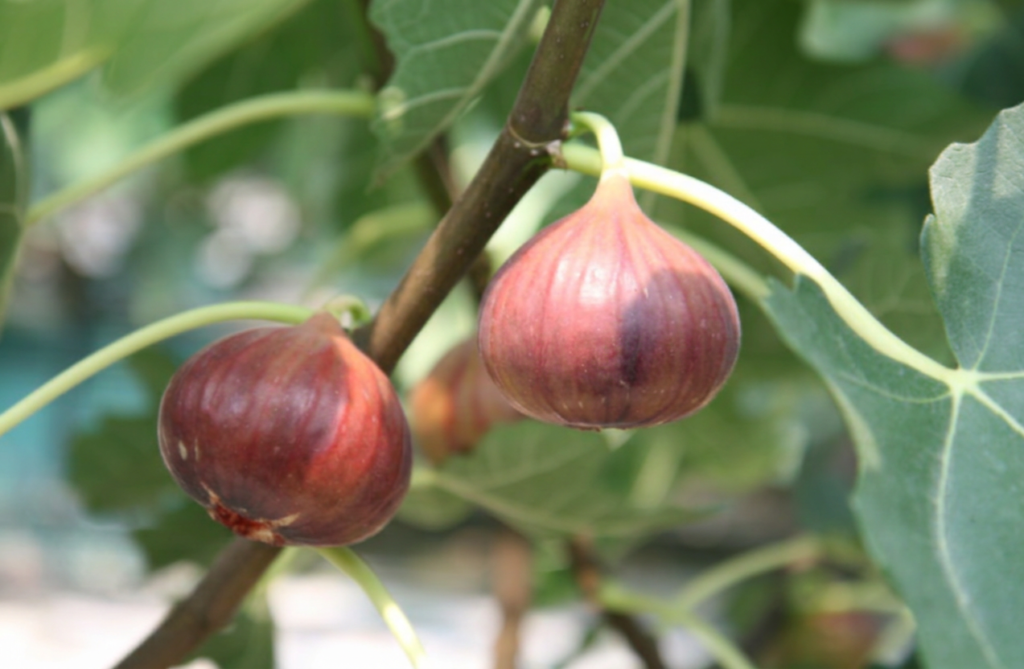
Korean Fruit: Korean Fig (Muhwagwa, 무화과)

Fresh figs are a seasonal treat in Korea, especially in late summer and autumn. Soft, delicate, and gently sweet, they are often eaten fresh when ripe. Yeongam (영암), in South…
Posted by JIN 2026-10-29
image
Posted inFood Food Culture

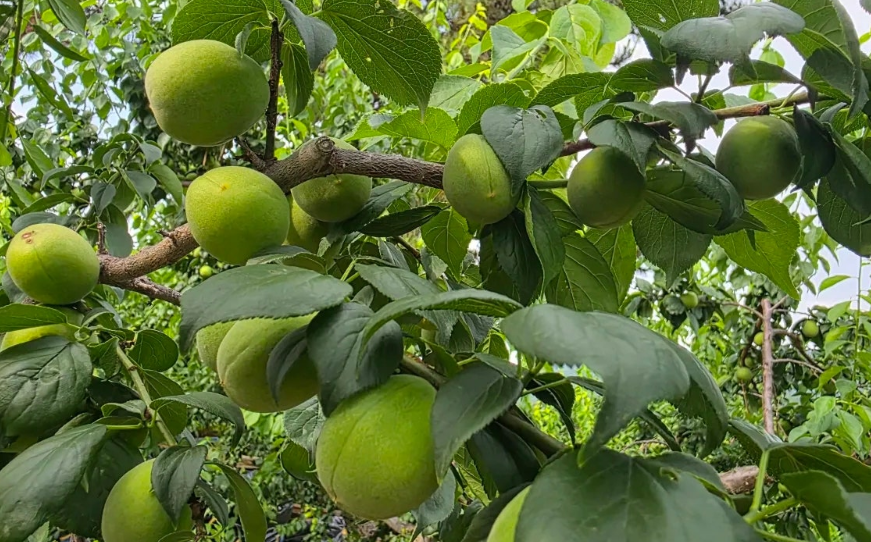
Korean Fruit: Korean Green Plum (Maesil, 매실)

Maesil (매실) is a small, tart fruit harvested in Korea in late spring and early summer. Unlike jadu (자두), the sweet, purple plum often eaten fresh, maesil is usually preserved…
Posted by JIN 2026-10-29

Posts pagination

1 2 3 … 6 Next page

Recent Posts

  • Songdo Beach: Walk Above the Sea and Ride a Cable Car
  • Taejongdae: Busan’s Sea Cliffs and Lighthouse Walk
  • Gwangalli Beach: Busan’s Bridge Lights and Drone Shows
  • Jagalchi Market: Inside Busan’s Famous Seafood Market
  • Gamcheon Culture Village: Colorful Houses Above Busan

About Us

Contact Us

Privacy Policy

Terms & Conditions

Copyright 2026 — Kimbap Life. All rights reserved. Bloghash WordPress Theme
Scroll to Top