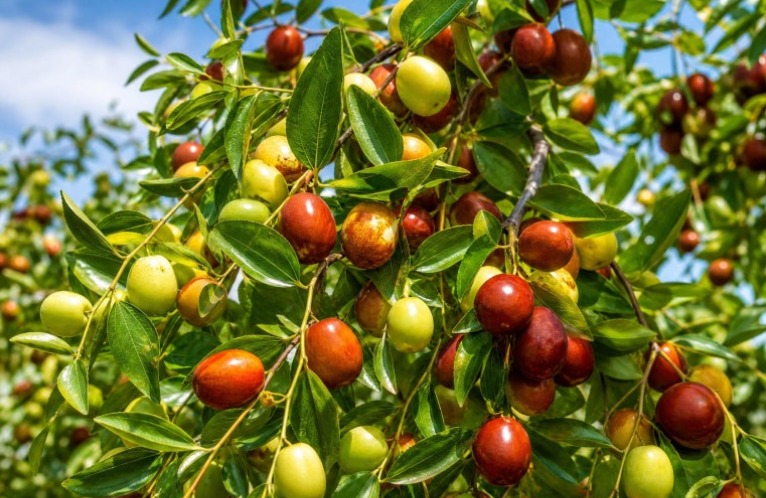

Daechu (대추), or Korean jujube, is an autumn fruit with two very different forms. Fresh jujubes are crisp and mildly sweet, while dried ones are chewy, wrinkled, and more concentrated in flavor. In Korea, people enjoy fresh jujubes as a seasonal snack and use dried jujubes in tea, cooking, and traditional ceremonies.
Quick Facts About Daechu
- Korean name: 대추 (daechu)
- English name: Jujube; sometimes called a red date or Chinese date
- Main season for fresh fruit: Autumn, usually September and October
- Taste: Fresh jujubes are crisp and mildly sweet; dried ones are chewy and sweeter
- Famous growing area: Boeun (보은), in North Chungcheong Province
- Where to find them: Markets and supermarkets in season; dried jujubes are sold year-round
Although dried jujubes are sometimes called “dates” in English, they are not the fruit of a date palm. Jujubes are a different fruit with a hard pit inside.
Fresh Jujubes: A Crisp Autumn Snack
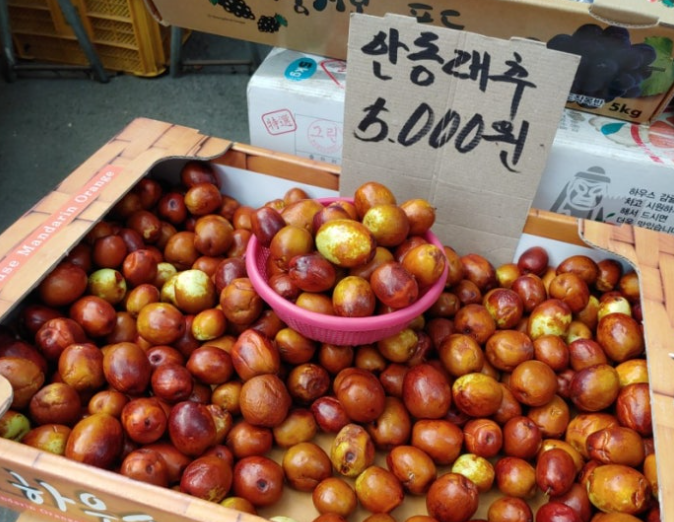
Fresh daechu are quite different from the dried jujubes many people know from Asian groceries. When fresh, they are firm and crisp, with a mild sweetness and a texture that can remind you of a small apple. They are usually washed and eaten whole, with the pit discarded. Jujube trees bear fruit in autumn. In Korea, the fruit ripens from around September into October, although the exact harvest period varies by region and year.
Dried Jujubes in Korean Food
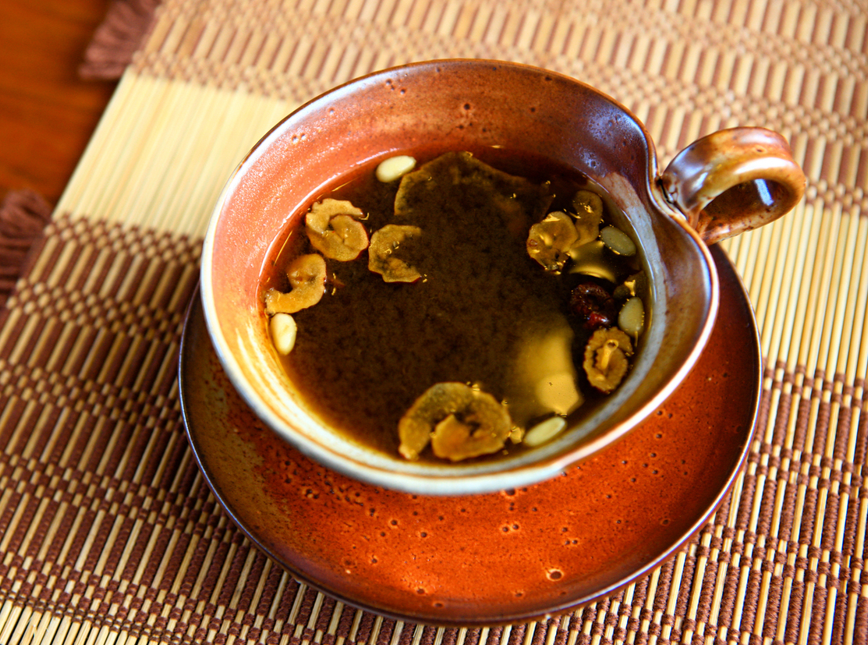
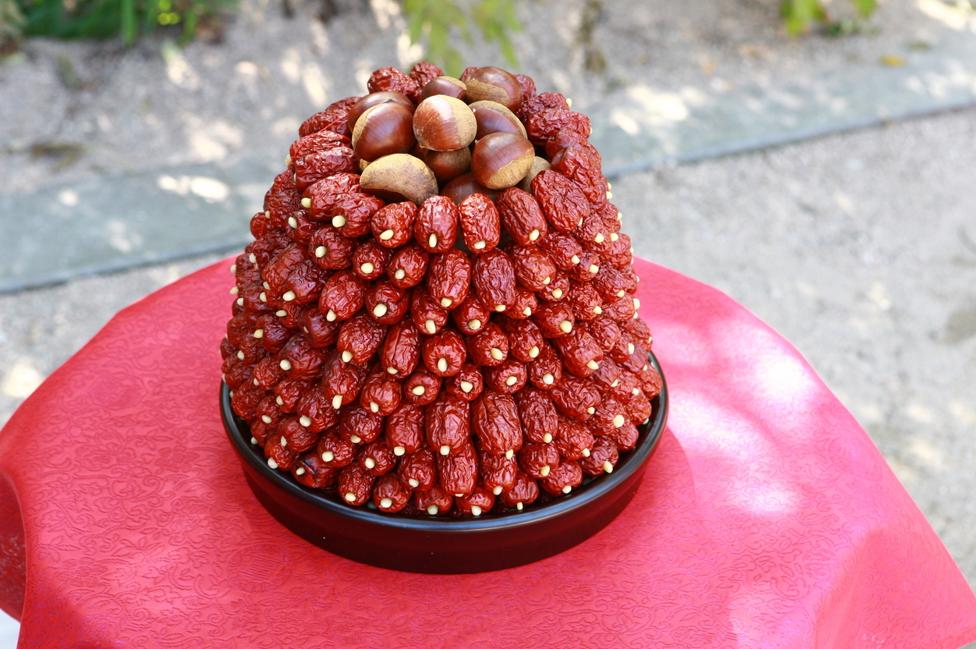
As jujubes dry, they become wrinkled, chewy, and sweeter. Dried daechu are common in Korean kitchens and are used in dishes such as samgyetang (삼계탕, ginseng chicken soup), yakbap (약밥, sweet rice with nuts and dried fruit), and jujube tea (daechucha, 대추차). They are also sliced and added to porridge, rice dishes, and desserts. Their sweet, mellow flavor can complement other ingredients without being as sharp as fresh fruit.
Boeun Jujubes and the Autumn Festival
Boeun is one of Korea’s best-known jujube-growing areas. Its annual Boeun Jujube Festival (보은대추축제) takes place in October, during the fresh jujube season. Visitors can find locally grown jujubes and other regional products, along with festival performances and activities. Festival dates and programs change each year. The festival gives visitors a chance to try fresh jujubes, which are seasonal and different in texture from the dried ones used throughout the year.
Daechu in Korean Rituals and Celebrations
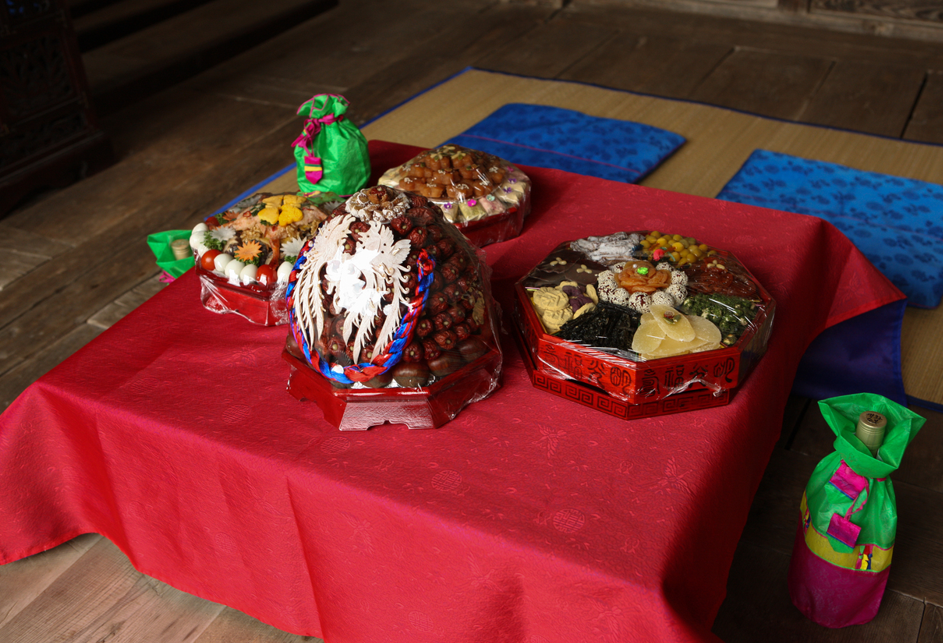
Jujubes also have a place in Korean traditions. They are among the fruits commonly arranged on some ancestral-rite tables, though specific foods and arrangements vary between families. They also appear in pyebaek (폐백), a traditional wedding ceremony in which the newly married couple pays respect to the groom’s parents and elders. Jujubes and chestnuts are part of the ceremony, and the couple may catch them in the bride’s skirt as elders offer them with wishes for family prosperity and descendants.
Fresh or Dried: Which Should You Try?
Choose fresh daechu if you want a crisp, lightly sweet fruit that is easy to snack on. Try dried jujubes if you are curious about the flavor used in Korean teas and traditional dishes. The difference is striking: one is a crunchy autumn fruit, while the other is a chewy pantry ingredient. If you visit Korea in autumn, look for fresh jujubes at a market or try them at the Boeun festival. For the rest of the year, dried daechu offer a taste of this fruit in Korean tea, rice dishes, and desserts.
Read Next
Korean Fruits by Season: A Guide to Fruit in Korea –
Samgyetang (삼계탕): Korea’s Ginseng Chicken Soup –