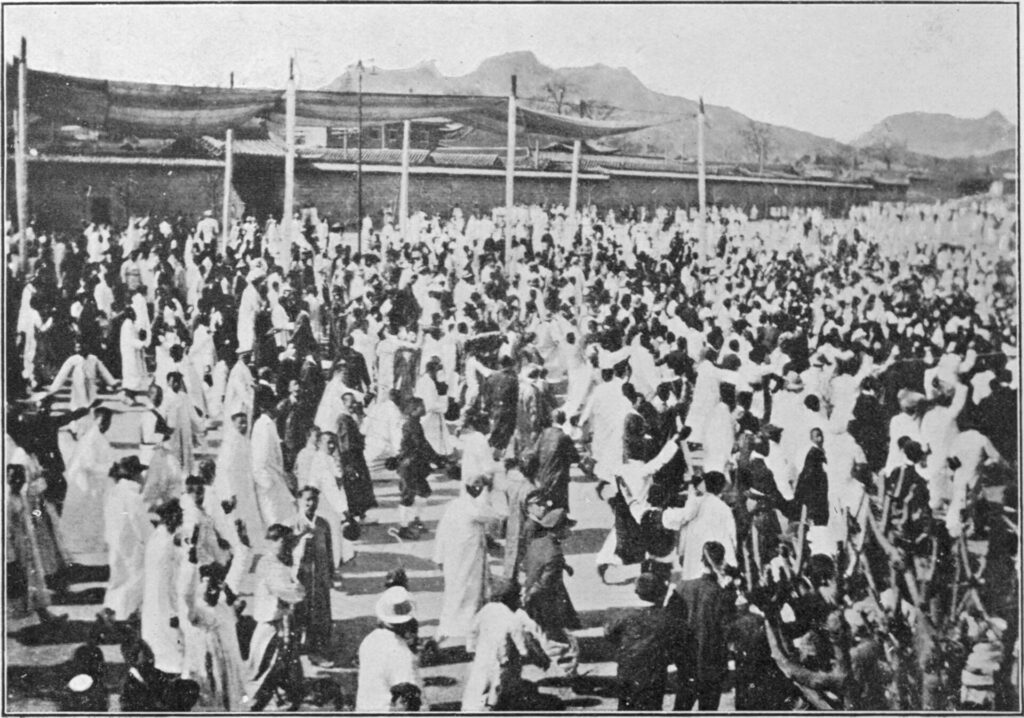
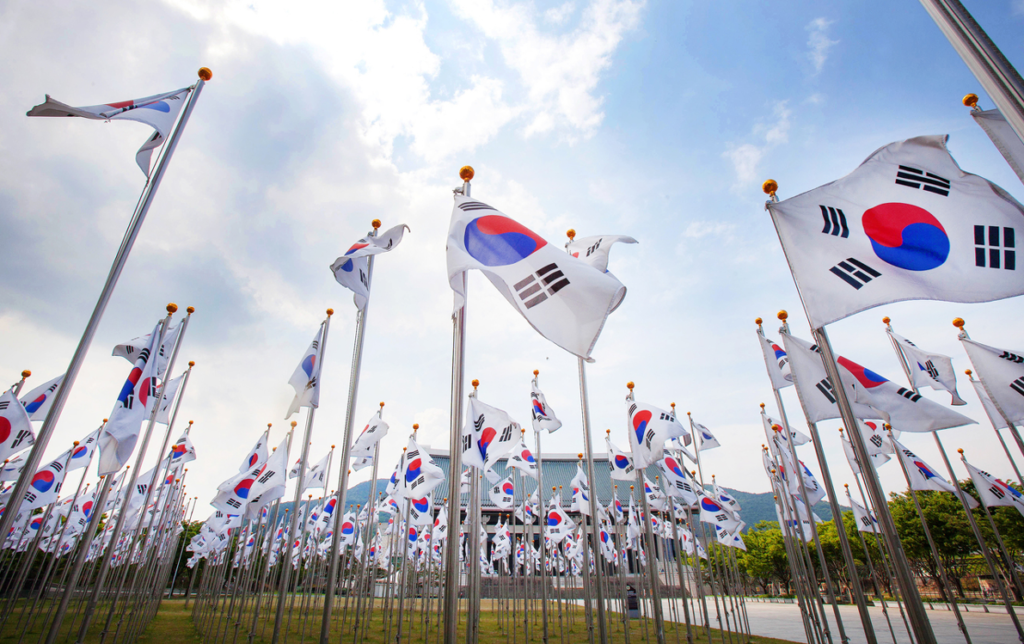
In one line: On August 15 every year, Korea marks Gwangbokjeol (광복절) — the day in 1945 that Japanese colonial rule ended after 35 years. It is one of Korea's five national holidays,…
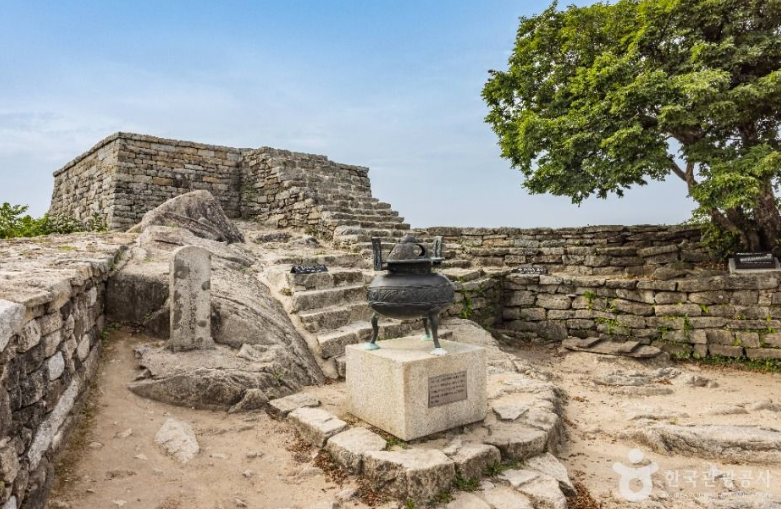
Gaecheonjeol (개천절) is one of South Korea's official national holidays, observed every year on October 3. In English it is usually called National Foundation Day, and it commemorates the founding…
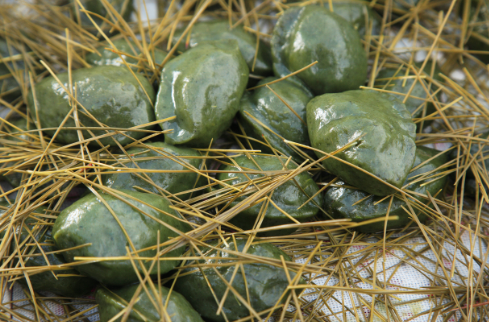
Songpyeon (송편) is the most famous food of Chuseok (추석), Korea's autumn harvest festival. These are small rice cakes shaped like a half-moon, filled with sweet ingredients, and steamed over…
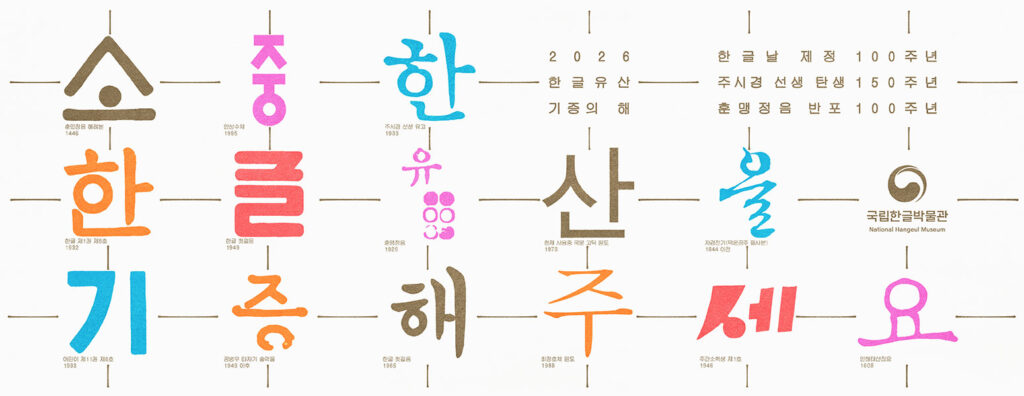
Hangeul Day (한글날) is South Korea's national holiday dedicated to its own alphabet. It falls on October 9 every year. Most holidays honor independence, harvests, or the new year. Korea's…
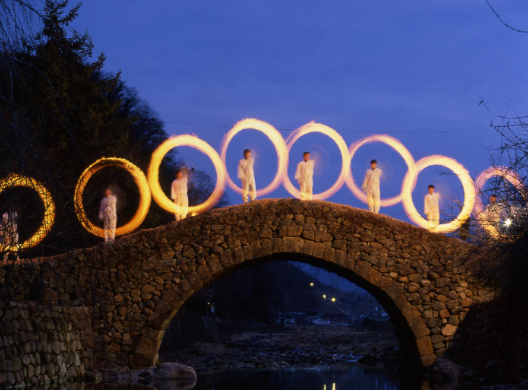
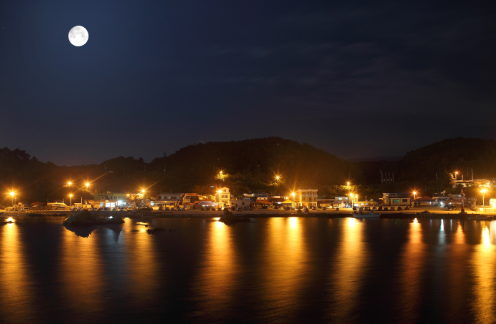
Daeboreum (정월대보름) is the first full moon day of the Korean lunar new year, and one of Korea's most important traditional days. While Seollal opens the new year in winter…
How Korea's Holiday System Works Korea's public holidays are set by the government under the "Regulations on Public Holidays of Government Offices" (관공서의 공휴일에 관한 규정). The system follows a…
Chuseok (추석) is one of Korea's two biggest holidays, together with Seollal (설날), the Lunar New Year. It is a harvest festival celebrated under the biggest full moon of autumn,…
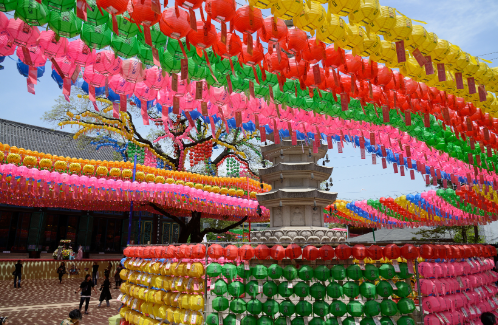
Buddha's Birthday (부처님오신날) is one of Korea's most beautiful holidays. On this day, temples across the country fill with the scent of incense, and city streets glow with thousands of…
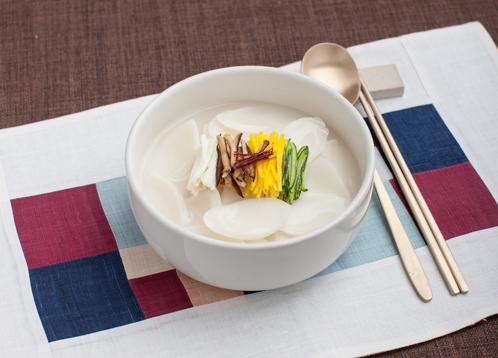
During Seollal, millions of Koreans travel back to their hometowns. Families gather at the home of the eldest relatives, hold a morning memorial service for their ancestors, and children bow…