Skip to content
Kimbap Life

Korean Food, Culture & Travel Guide

  • Region
    • Seoul
    • Jeju
    • Incheon
    • Busan
  • Companies
  • People
  • Korean Lifestyle
    • Home & Daily Life
  • History & Tradition
  • Food
    • Food Culture
    • Drinks
    • Dishes & Ingredients

History & Tradition

  • Home
  • History & Tradition
  • Page 2
image
Posted inHistory & Tradition

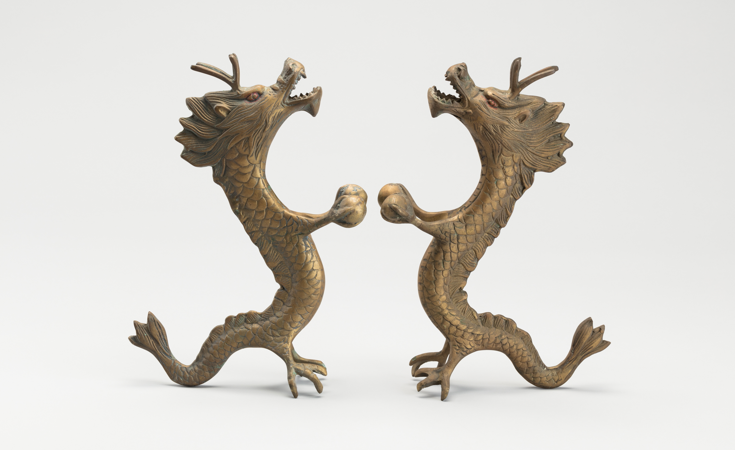
The Dragon in the Korean Zodiac (Yong, 용)

The dragon is the fifth animal in the Korean zodiac—and the only imaginary creature in the twelve-animal cycle. Known as yong (용), it is traditionally associated with power, good fortune,…
Posted by Min 2026-11-06
image
Posted inHistory & Tradition

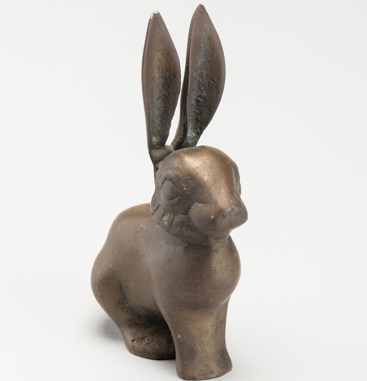
The Rabbit in the Korean Zodiac (Tokki, 토끼)

The rabbit is the fourth animal in the Korean zodiac. Known as tokki (토끼), it is traditionally associated with cleverness, agility, careful thinking, and new growth. In Korean folktales, a…
Posted by Min 2026-11-06
image
Posted inHistory & Tradition

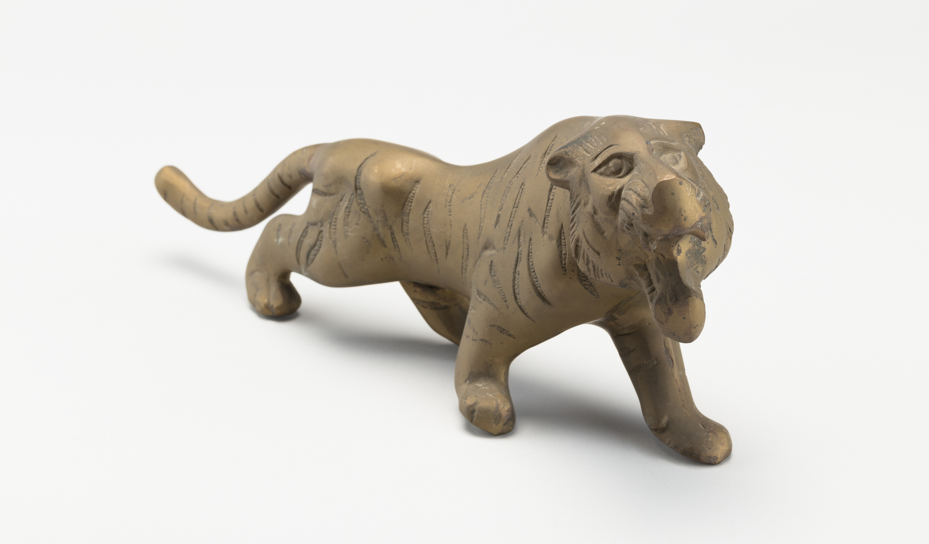
The Tiger in the Korean Zodiac (Horangi, 호랑이)

The tiger is the third animal in the Korean zodiac. Known as horangi (호랑이), it is traditionally associated with courage, strength, energy, and protection. In Korean culture, the tiger has…
Posted by Min 2026-11-04
image
Posted inHistory & Tradition

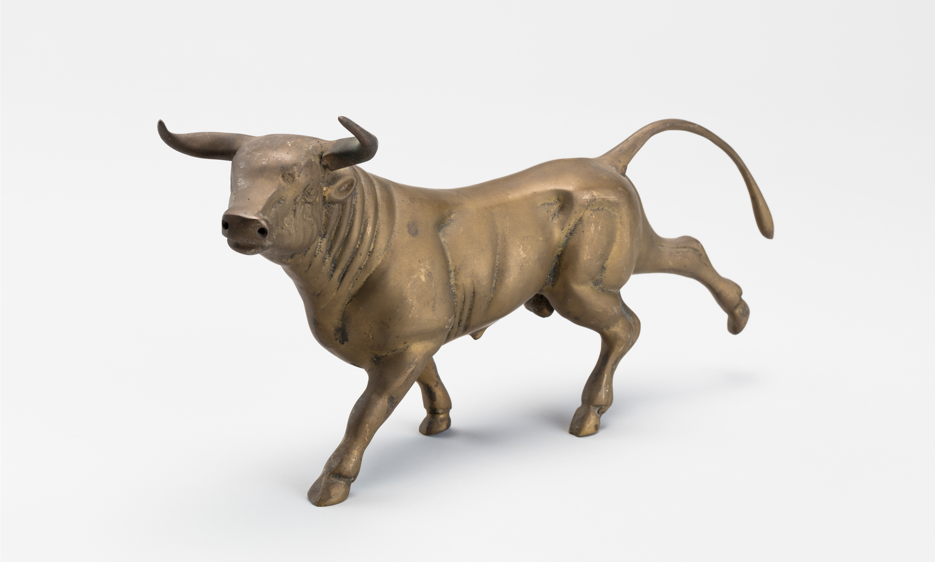
The Ox in the Korean Zodiac (So, 소)

The ox is the second animal in the Korean zodiac. In Korean, it is called so (소); in English, this zodiac sign is usually called the Ox. Traditionally, the Ox…
Posted by Min 2026-11-04
image
Posted inHistory & Tradition

The Rat in the Korean Zodiac (Jwi, 쥐)

The rat may be small, but in the Korean zodiac it holds the first place. Known as jwi (쥐), it is traditionally associated with cleverness, diligence, fertility, good fortune, and…
Posted by Min 2026-11-04
image
Posted inHistory & Tradition

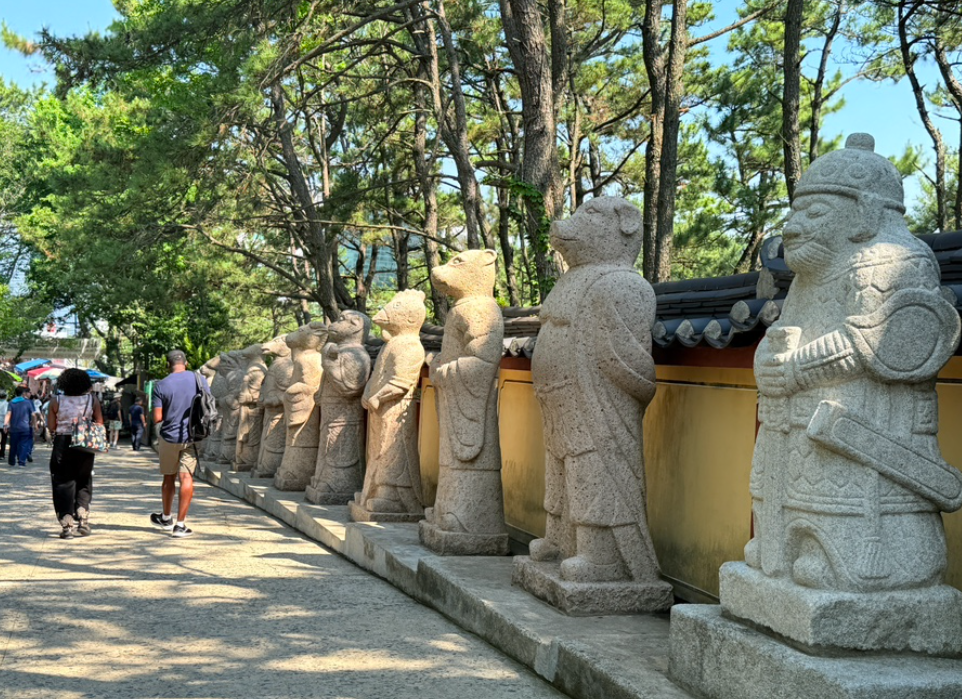
The Korean Zodiac: The 12 Animal Signs & Birth Years

If someone in Korea asks, “What’s your tti?” (띠), they are asking which zodiac animal is associated with your birth year. The Korean zodiac has twelve animals, repeating in a…
Posted by Min 2026-11-03
image
Posted inHistory & Tradition

Korean Dream Meanings (꿈해몽): Lucky & Unlucky Dreams

In Korea, a strange or vivid dream may prompt someone to ask, “What do you think it means?” The traditional practice of interpreting dreams is called haemong (해몽). In folk…
Posted by Min 2026-11-03
image
Posted inHistory & Tradition

Taemong (태몽): Korean Pregnancy Dreams, and Meaning

In Korea, a vivid dream connected with a baby may become part of a family’s story. It might feature a dragon rising into the sky, a bright fruit held in…
Posted by Min 2026-11-03
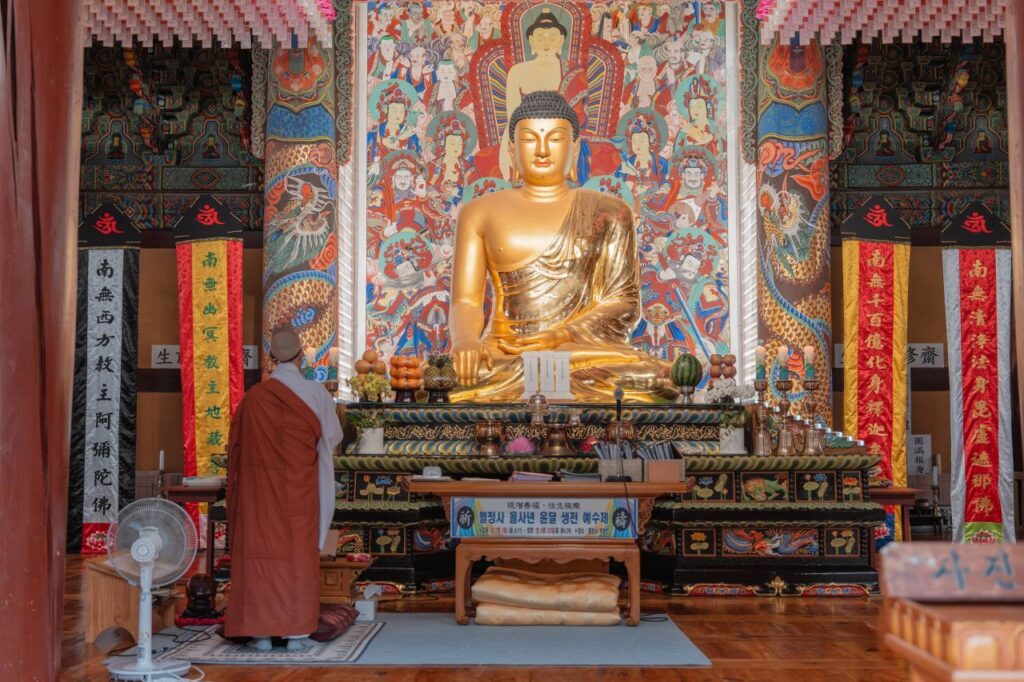
월정사
Posted inHistory & Tradition

Temple Stay in Korea (템플스테이): How to Book & What to Expect

A Korean temple stay gives visitors the chance to spend a night at a Buddhist temple and experience part of its daily rhythm. Programs are available at temples across Korea,…
Posted by Min 2026-10-16
image
Posted inHistory & Tradition

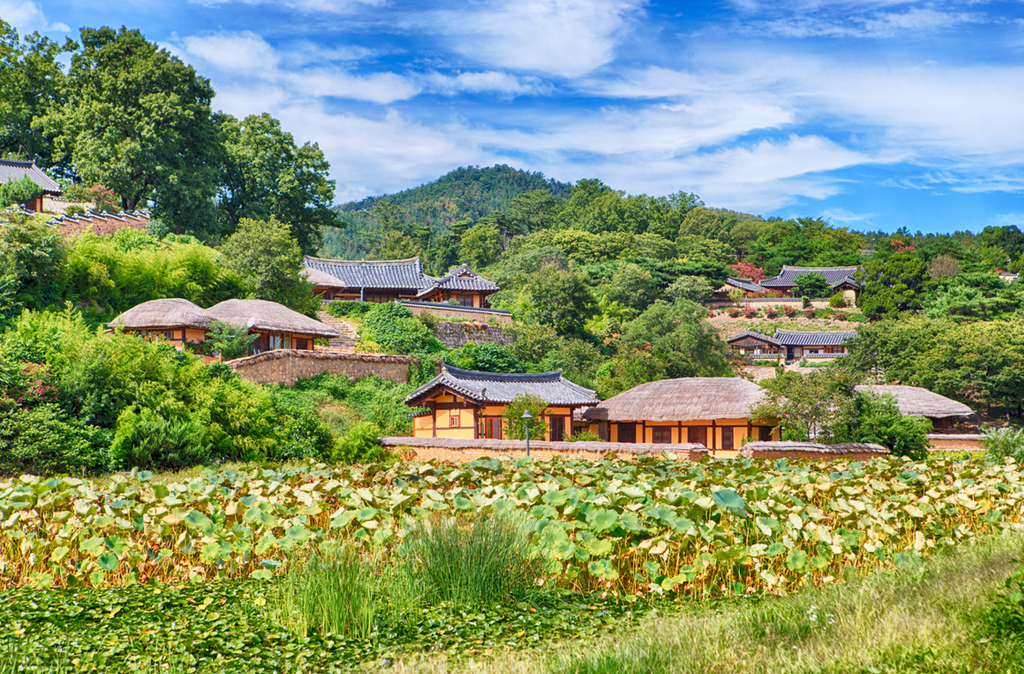
Gyeongju Yangdong Folk Village (경주 양동마을): Guide to Korea’s UNESCO Village

Gyeongju Yangdong Folk Village (경주 양동마을) is one of Korea’s best-preserved historic villages. Traditional tiled-roof houses, thatched homes, old walls, and narrow lanes sit among the ridges and valleys of…
Posted by JIN 2026-10-16

Posts pagination

Previous page 1 2 3 4 5 Next page

Recent Posts

  • Songdo Beach: Walk Above the Sea and Ride a Cable Car
  • Taejongdae: Busan’s Sea Cliffs and Lighthouse Walk
  • Gwangalli Beach: Busan’s Bridge Lights and Drone Shows
  • Jagalchi Market: Inside Busan’s Famous Seafood Market
  • Gamcheon Culture Village: Colorful Houses Above Busan

About Us

Contact Us

Privacy Policy

Terms & Conditions

Copyright 2026 — Kimbap Life. All rights reserved. Bloghash WordPress Theme
Scroll to Top