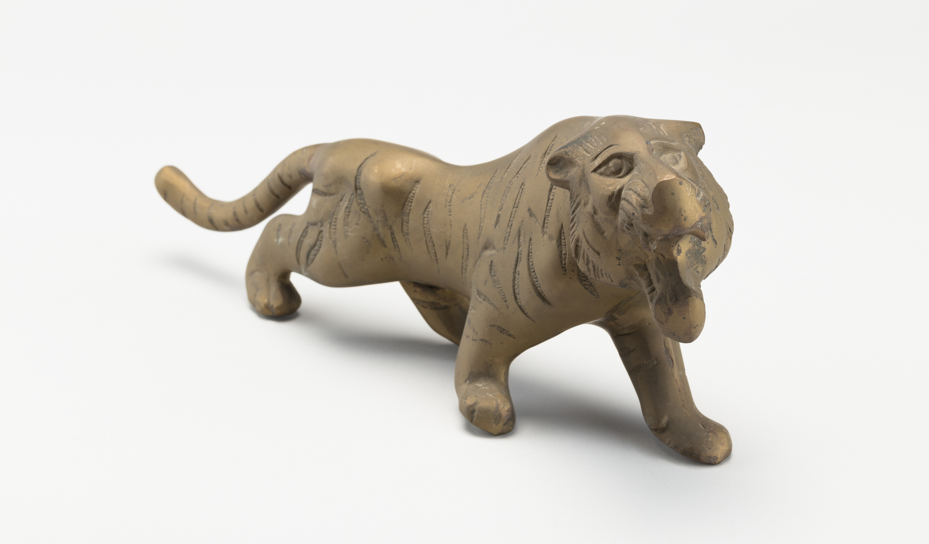

The tiger is the third animal in the Korean zodiac. Known as horangi (호랑이), it is traditionally associated with courage, strength, energy, and protection. In Korean culture, the tiger has inspired both fear and admiration: it could be a dangerous predator, a sacred guardian, or a comical character in a folktale. These meanings come from folklore and tradition. They are not predictions about everyone born in a Tiger year.
Quick Facts About the Tiger
- Korean name: 호랑이 (horangi)
- Zodiac sign: In (인, 寅)
- Position: Third of the twelve zodiac animals
- Traditional hour: 3 a.m. to 5 a.m.
- Traditional direction: East-northeast
- Traditional associations: Courage, power, energy, and protection
- Birth Years: 1938 · 1950 · 1962 · 1974 · 1986 · 1998 · 2010 · 2022

Photo: National Folk Museum of Korea
Why Is Korea Sometimes Called “Tiger Country”?
Korea’s mountainous landscape was once home to many tigers. The animal became a familiar presence in stories, art, and beliefs, and Korea has sometimes been called “Tiger Country.” The tiger was also the mascot of the 1988 Seoul Summer Olympics: Hodori (호돌이).
A Fearsome Animal and a Mountain Guardian
In traditional belief, the tiger could be a frightening beast associated with danger. At the same time, people also saw it as a sacred animal that could drive away evil spirits. Tigers were connected with mountain gods and appeared in sansindo (산신도), paintings of mountain spirits.
This mix of danger and protection helped make the tiger one of Korea’s most powerful folk symbols. It was respected and feared, but it could also appear as a courteous animal that repaid kindness—or as a foolish character easily tricked by people.
The Tiger in Korean Folk Art
Tigers appear in Korean folk paintings (minhwa, 민화), religious paintings, and other traditional artworks. Their images could express wishes for prosperity, protection, or good fortune. In folk paintings, the tiger might look imposing, playful, or even a little awkward, showing the humor and imagination of the artist.
What Does the Tiger Sign Say About a Person?
Traditional zodiac readings often describe people born in a Tiger year as energetic, confident, and responsible. They may be seen as generous and willing to help others. Some interpretations also say they can be impatient or impulsive, especially when they are eager to act.
These descriptions are part of folk belief, not fixed personality rules. A person’s zodiac animal is one part of Korea’s traditional way of interpreting character and fortune, and people have understood these symbols differently across time and place. The National Folk Museum of Korea notes that zodiac animals have been used in Korea to think about a person’s fortune and personality.
From mountain guardian to Olympic mascot, the tiger has remained an unmistakable symbol in Korean culture. Its many roles—as a powerful animal, a protector, and a humorous figure in folk art—help explain why it continues to capture people’s imagination.
Read Next
Dream Interpretation in Korean Culture: Lucky and Unlucky Dreams –

