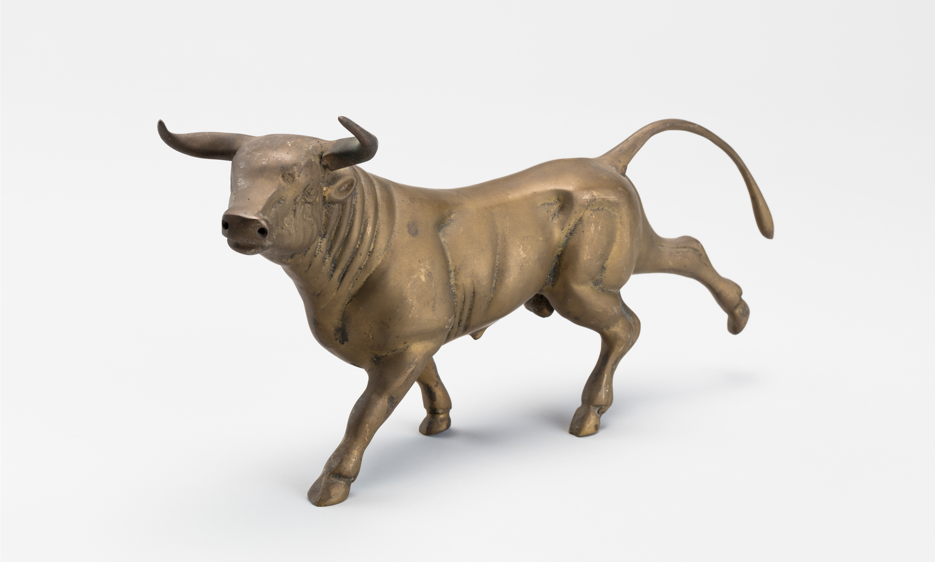

The ox is the second animal in the Korean zodiac. In Korean, it is called so (소); in English, this zodiac sign is usually called the Ox. Traditionally, the Ox represents patience, strength, diligence, and calm. These are cultural associations, not traits shared by everyone born in an Ox year.
Quick Facts About the Ox
- Korean name: 소 (so)
- Zodiac sign: Chuk (축, 丑)
- Position: Second of the twelve zodiac animals
- Traditional hour: 1 a.m. to 3 a.m.
- Traditional direction: North-northeast
- Traditional associations: Patience, diligence, strength, and steadiness
- Birth Years: 1937 · 1949 · 1961 · 1973 · 1985 · 1997 · 2009 · 2021
In the traditional system, the Ox is also associated with the twelfth lunar month. The zodiac animal combines with the cycle’s heavenly stems to form a 60-year calendar cycle. The five Ox-year combinations are Wood Ox (을축, 乙丑), Fire Ox (정축, 丁丑), Earth Ox (기축, 己丑), Metal Ox (신축, 辛丑), and Water Ox (계축, 癸丑).
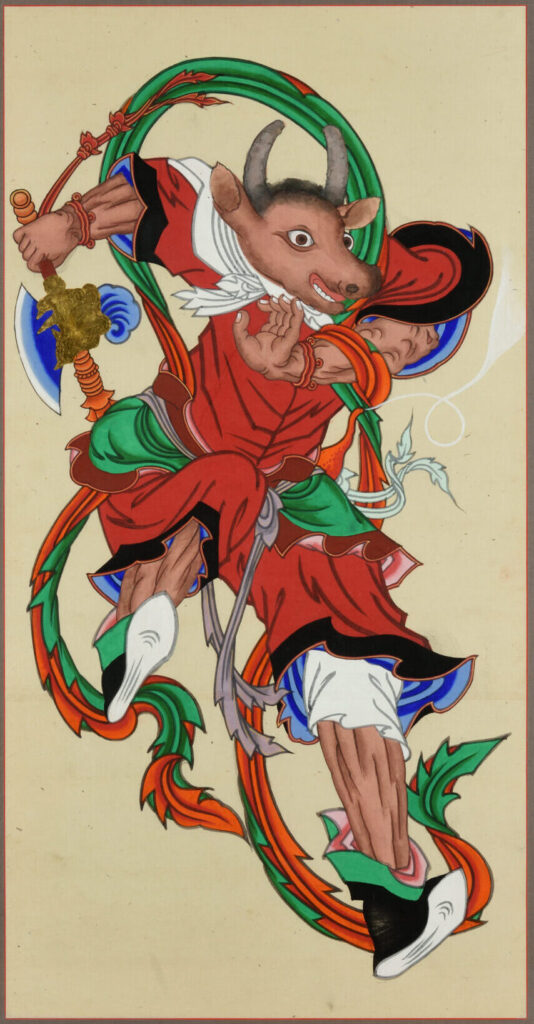
Photo: National Folk Museum of Korea
Why the Ox Was So Important in Korea
For generations, the ox was central to Korean farming life. It helped plow fields and carry people or goods. Because an ox was valuable, a family could also sell it when they urgently needed money. Many farming households cared for their oxen as trusted members of the family.
An old saying captures the affection and respect people felt for the animal: “An ox has twelve virtues, though it cannot speak.” The ox’s strength and steady nature made it a symbol of hard work, patience, and reliability in Korean culture.
The Ox in Korean Folk Beliefs
People traditionally associated those born in an Ox year with diligence and perseverance. Korean sayings also connect the ox with stubbornness. The expression hwangso-gojip (황소고집) literally means “bull-like stubbornness” and describes someone who sticks firmly to their opinion.
Another saying, so gwie gyeong ilkgi (소 귀에 경 읽기), literally means “reading a Buddhist scripture to a cow.” It describes explaining something to someone who will not understand or listen. These expressions show how the ox’s familiar qualities became part of everyday Korean language. They are folk sayings, not rules about people born in Ox years.
The Ox in Korean Folk Culture
Oxen also appear in Korean folk art and customs. One traditional image shows the Ox as a guardian deity with an animal’s head and a human body. Zodiac guardian figures were associated with protecting directions and warding off misfortune.
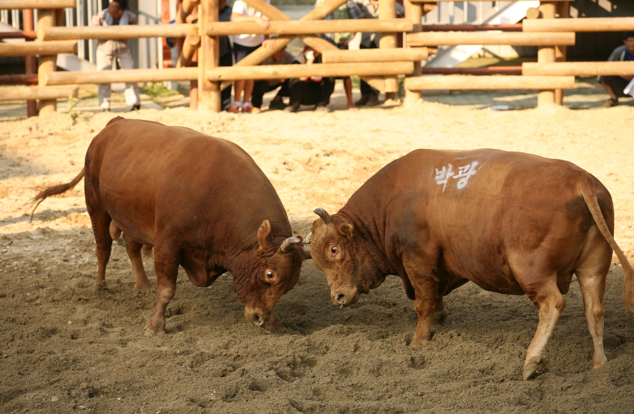
The Ox’s place in the zodiac reflects the role it once held in everyday life: strong and dependable, it helped families work the land and get through difficult times. That history helps explain why the animal came to symbolize patience, perseverance, and quiet strength in Korea.
Read Next
Dream Interpretation in Korean Culture: Lucky and Unlucky Dreams –

