

The snake is the sixth animal in the Korean zodiac. Known as baem (뱀), it can inspire fear because of its quiet movements and, in some species, venom. But Korean folklore gives the snake many other meanings, including wisdom, renewal, fertility, good fortune, and protection. These are traditional beliefs and symbols—not predictions about everyone born in a Snake year.
Quick Facts About the Snake
- Korean name: 뱀 (baem)
- Zodiac sign: Sa (사, 巳)
- Position: Sixth of the twelve zodiac animals
- Traditional time: 9 a.m. to 11 a.m.
- Traditional direction: South-southeast
- Traditional associations: Wisdom, renewal, fertility, abundance, and protection
- Birth Years: 1941 · 1953 · 1965 · 1977 · 1989 · 2001 · 2013 · 2025
The zodiac animal combines with one of the ten heavenly stems to form a 60-year calendar cycle. Snake-year combinations include Wood Snake (을사, 乙巳), Fire Snake (정사, 丁巳), Earth Snake (기사, 己巳), Metal Snake (신사, 辛巳), and Water Snake (계사, 癸巳).
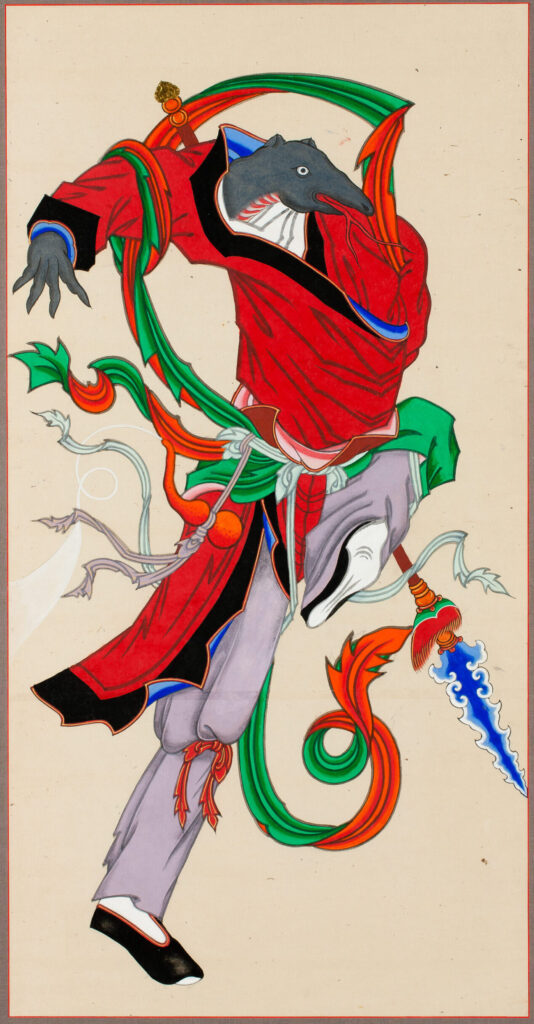
Photo: National Folk Museum of Korea
From Snake to Imugi
Korean legends sometimes describe a snake growing into a giant serpent called an imugi (이무기). In some stories, the imugi can become a dragon after gaining a magical jewel called a yeouiju (여의주), or after receiving the chance to ascend to heaven. The details differ among tales, but the story often represents a long journey toward transformation and a higher status.
A Symbol of Renewal and Abundance
A snake sheds its skin as it grows, and many species disappear during winter and return in warmer seasons. These changes led people to connect the snake with renewal, vitality, and long life. Its ability to lay many eggs also made it a symbol of fertility and abundance in traditional beliefs. A snake, an animal viewed with a mix of fear, curiosity, and respect.
The Snake as a Household Guardian
In some Korean folk beliefs, a snake—especially a large serpent—could be regarded as eop (업), a household spirit associated with family wealth and good fortune. People believed that this guardian might live near a home’s storage area and protect the family’s prosperity. These beliefs varied by region and household. The snake could therefore be both feared as a wild animal and respected as a sacred presence. Korean folk stories also portray snakes in many different roles: as wise or protective beings, as frightening creatures, or as animals that repay kindness.
Snakes and Healing Symbols
Snakes have been associated with healing in different cultures. In Greek mythology, a serpent is entwined around the staff of Asclepius, a figure connected with medicine. The image of a snake shedding its skin also made it a symbol of renewal. Older Korean texts record snake parts and shed skin among traditional medicinal materials. These references tell us about historical beliefs and practices; they should not be taken as modern medical advice or as evidence that snake products treat illness.
What Does the Snake Sign Say About a Person?
Traditional zodiac readings often associate people born in a Snake year with intelligence and wisdom. The snake’s alertness and careful movements also inspired ideas of observation and patience. These descriptions are part of folk tradition, not fixed personality rules. The snake’s place in Korean culture reflects a complicated relationship: people feared its danger, admired its ability to renew itself, and sometimes revered it as a guardian. That contrast is what gives the Snake sign its many faces.
Read Next
Dream Interpretation in Korean Culture: Lucky and Unlucky Dreams –

