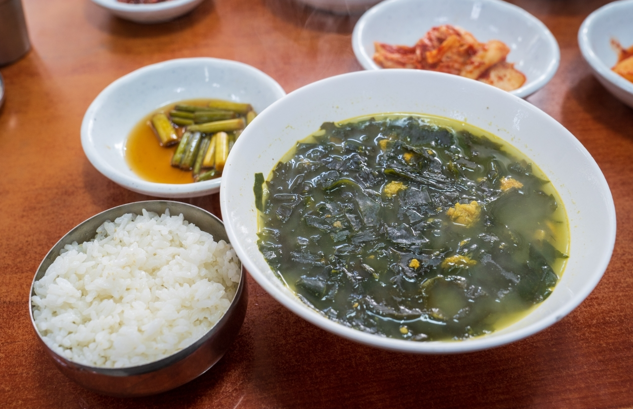

Birthdays in Korea are celebrated with family, friends, food, and a few distinctive customs. One of the most recognizable Korean birthday traditions is eating Miyeok-guk (미역국), a soup made with seaweed. While birthday cakes and parties have become common in modern Korea, the tradition of eating seaweed soup on one’s birthday remains an important part of Korean food culture. It is closely connected to the country’s traditional postpartum food customs and the importance of family.
Why Do Koreans Eat Seaweed Soup on Their Birthdays?
One of the most distinctive features of a Korean birthday is eating Miyeok-guk(미역국). Miyeok-guk is a traditional Korean soup made primarily with dried seaweed, water or broth, and seasonings. It is commonly prepared with beef, although seafood and other ingredients can also be used. The tradition is closely related to the Korean custom of serving seaweed soup to women after childbirth. Seaweed soup has traditionally been regarded as a nutritious postpartum food. Seaweed contains iodine and other minerals, and it has long been included in Korean postpartum meals. After giving birth, women traditionally ate Miyeok-guk for several days or even weeks, depending on family customs and personal circumstances. Eating the same soup on one’s birthday is a way of remembering the mother who gave birth and recognizing the significance of birth. It is also associated with gratitude for life and family. For many Koreans, a birthday meal feels incomplete without a bowl of Miyeok-guk.
What Is Served on a Korean Birthday Table?
A traditional Korean birthday meal is generally made up of rice, soup, and several side dishes called Banchan (반찬). Unlike a Western-style birthday meal centered on a cake or a single main dish, a Korean birthday table often features a combination of everyday Korean foods.
1. Miyeok-guk (미역국): Seaweed Soup
Miyeok-guk is the most symbolic dish on a Korean birthday table. The seaweed is soaked in water, washed, and cooked with ingredients such as beef, garlic, sesame oil, and broth. Different households have their own recipes. Some versions use beef, while others include clams, mussels, or dried anchovies for the broth. Miyeok-guk is usually served hot in an individual bowl alongside rice.
2. Rice (Bap, 밥)
Rice is a staple of Korean meals and is almost always served with soup and side dishes. Steamed white rice is the most common choice for a birthday meal, although multigrain rice may also be served.
3. Korean Side Dishes (Banchan, 반찬)
Banchan are small dishes served alongside rice. They add variety to a Korean meal and may include vegetables, seasoned greens, kimchi, eggs, meat, and seafood.
Common examples include:
- Kimchi: Fermented vegetables, most commonly napa cabbage or radish.
- Japchae: Stir-fried glass noodles with vegetables and sometimes meat.
- Jeon: Korean pan-fried savory pancakes made with vegetables, seafood, or meat.
- Namul: Seasoned vegetable dishes.
- Bulgogi: Thinly sliced marinated beef cooked by grilling or stir-frying.
- Egg dishes: Rolled omelets or steamed eggs.
Not every birthday meal includes all these dishes. The selection depends on the family, the occasion, and how elaborate the meal is.
4. Birthday Cake
Birthday cakes in Korea have their own characteristics. Fresh cream cakes topped with strawberries and other fruit are particularly popular. Korean bakeries also sell chocolate cakes, roll cakes, and small individual cakes. Many bakeries offer customized cakes decorated with names, messages, photographs, or illustrations. In recent years, small personalized cakes have become popular for intimate celebrations. These are often designed around a specific theme or message. Unlike traditional Western birthday celebrations that may focus on a large cake, Korean celebrations often combine a cake with a separate meal.

How Do Koreans Celebrate Birthdays?
Birthday celebrations in Korea vary depending on age, family traditions, and personal preferences.
Celebrating with Family
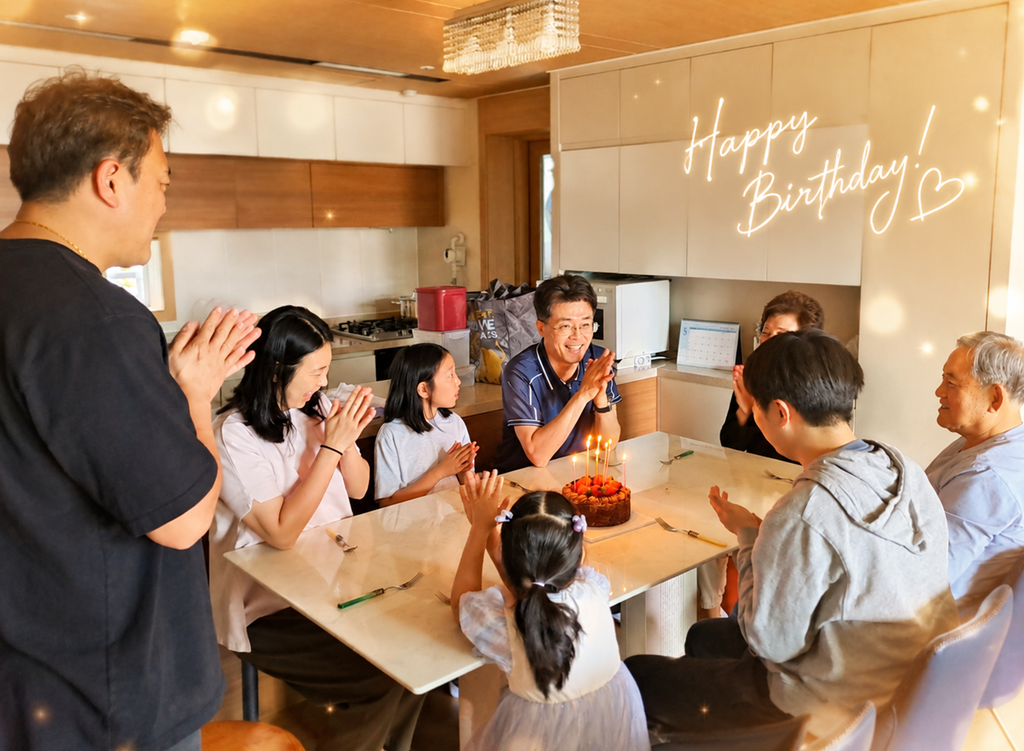
Many Koreans begin their birthday with a meal prepared by their parents or family members. Eating Miyeok-guk in the morning is a familiar tradition in many households. Parents may prepare a special birthday meal for their children, while adult children sometimes visit their parents to celebrate together. Family celebrations may also include a cake, presents, and a meal at a restaurant.
Celebrating with Friends
Younger Koreans often celebrate birthdays with friends at restaurants, cafes, or private party spaces. A birthday cake is usually an important part of the gathering. Some people also prepare balloons, birthday decorations, and personalized gifts. Popular activities include taking photographs, sharing meals, and visiting cafes or entertainment venues.
Celebrating at Work or School
Birthdays are also recognized in workplaces and schools. Coworkers may buy a cake or prepare a small surprise for someone celebrating a birthday. Friends and classmates may give gifts or organize a small party. In some workplaces, colleagues gather briefly to sing the birthday song and share cake.
Birthday Customs for Different Ages
Some birthdays have special cultural significance in Korea.
The First Birthday (Dol)
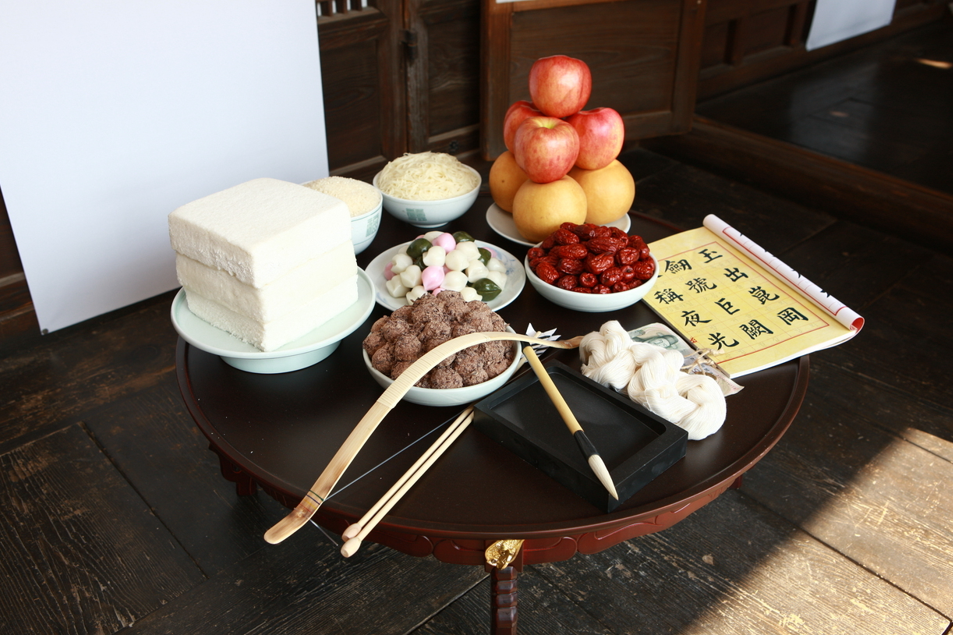
A child’s first birthday is celebrated through Doljanchi, a traditional event that includes a special birthday table and the Doljabi activity. This occasion is considered one of the most important milestones in Korean family culture.
The 60th Birthday (Hwangap)
Hwangap (환갑) traditionally marks a person’s 60th birthday. In the traditional East Asian zodiac cycle, 60 years complete a full cycle of the ten heavenly stems and twelve earthly branches. Historically, reaching the age of 60 was considered a significant achievement. Families celebrated Hwangap with a large meal and gatherings with relatives. Today, many people celebrate their 60th birthday with a family trip, a restaurant gathering, or a special event rather than a traditional banquet.
The 70th Birthday (Chilsoon)
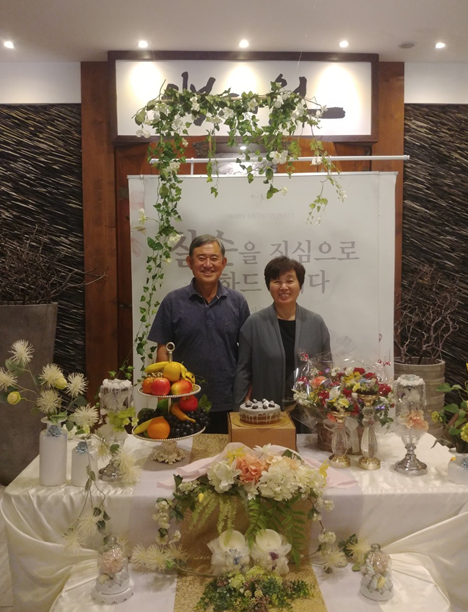
Chilsoon (칠순) refers to a person’s 70th birthday. It is another important family milestone. Families may organize a special meal, prepare a birthday table, give gifts, and gather to congratulate the person celebrating. These milestone celebrations reflect the traditional importance of respecting and honoring older family members.
A Birthday Tradition That Connects Food and Family
Korean birthday celebrations combine modern birthday customs with traditional food culture. Although cakes, parties, and gifts have become common, Miyeok-guk continues to hold a special place on the Korean birthday table. The soup represents more than a familiar meal. It connects a person’s birthday to the mother who gave birth and to the family’s appreciation of life. For visitors interested in Korean culture, understanding why Koreans eat seaweed soup on their birthdays provides an interesting look at the relationship between Korean food, family traditions, and everyday life.
