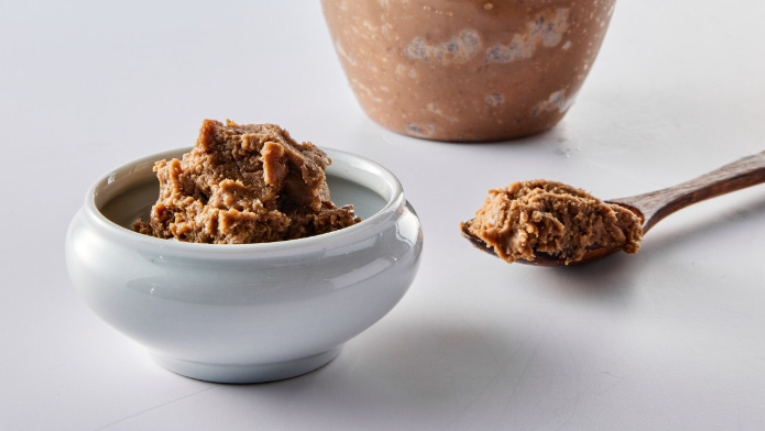

Doenjang (된장) is a traditional Korean fermented soybean paste with a deep, savory flavor. It is best known as the main seasoning in doenjang jjigae (된장찌개), a hearty stew often served with rice. Doenjang is also used in soups, vegetable dishes, and dipping sauces.
It is sometimes compared with Japanese miso because both are fermented soybean pastes. They are related types of seasoning, but their ingredients, fermentation methods, texture, and flavors can differ. Doenjang’s earthy, robust taste is a familiar part of Korean home cooking.
Quick Facts About Doenjang (된장)
- Korean name: 된장 (doenjang)
- What it is: Korean fermented soybean paste
- Main ingredient: Soybeans
- Flavor: Savory, earthy, and rich in umami
- Common uses: Stews, soups, vegetables, and dipping sauces
- Related seasonings: Ganjang (간장, soy sauce) and ssamjang (쌈장, dipping sauce)
What Is Doenjang?
Doenjang is made by fermenting soybeans. It is one of Korea’s best-known jang (장), the Korean family of fermented sauces and pastes that also includes gochujang (고추장) and ganjang (간장).
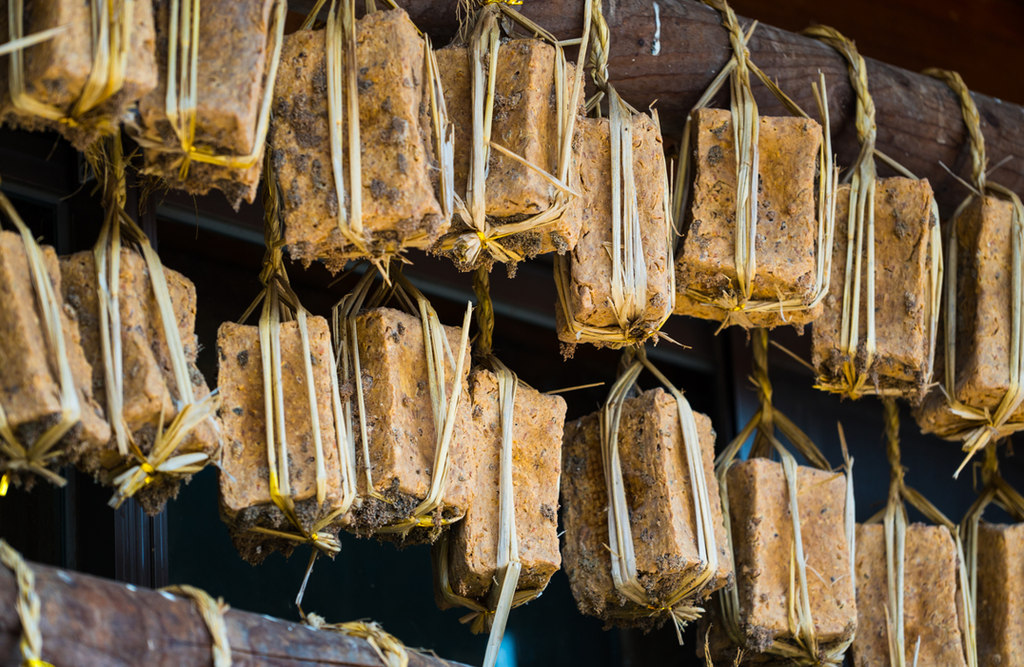
Traditional doenjang is commonly made from meju (메주), blocks of cooked, fermented soybeans. The meju is soaked in salted water in a jar and left to ferment. Later, the liquid is separated to make ganjang, while the solid soybean mixture becomes doenjang and continues to mature. Recipes and fermentation periods vary by household and region.
Today, many people buy doenjang at supermarkets. Commercial products can be made with different methods, so their texture, color, saltiness, and intensity vary.
How Traditional Doenjang Is Made
Traditional jang-making takes time and involves several stages:
- Cook the soybeans. Soybeans are soaked and boiled until soft.
- Make meju. The beans are mashed, shaped into blocks, and left to ferment and dry.
- Soak the meju in brine. The blocks are placed in a jar with salted water, often in a traditional earthenware jar called onggi (옹기).
- Ferment and separate the jang. After the mixture has fermented, the liquid is drawn off as ganjang. The remaining soybean solids are kept as doenjang.
- Continue maturing the doenjang. The paste is stored so its flavor can develop further.
The details differ across recipes. Traditional jang-making also includes caring for the jars and deciding when the fermented mixture is ready. In 2024, UNESCO inscribed the knowledge, beliefs, and practices related to jang-making in Korea on its Intangible Cultural Heritage list.
Doenjang and Ganjang: Made Together Traditionally
Doenjang and ganjang are closely connected in the traditional method. Both begin with meju fermented in salted water. The liquid becomes ganjang, while the soybean solids become doenjang.
This makes doenjang more than a paste used on its own. Alongside ganjang, it is part of a fermentation tradition that has helped shape the flavors of Korean soups, stews, vegetables, and marinades.
Doenjang in Korean Cooking
Doenjang’s strong, savory flavor makes it useful in both simple home meals and more elaborate dishes.
Doenjang Jjigae (된장찌개)
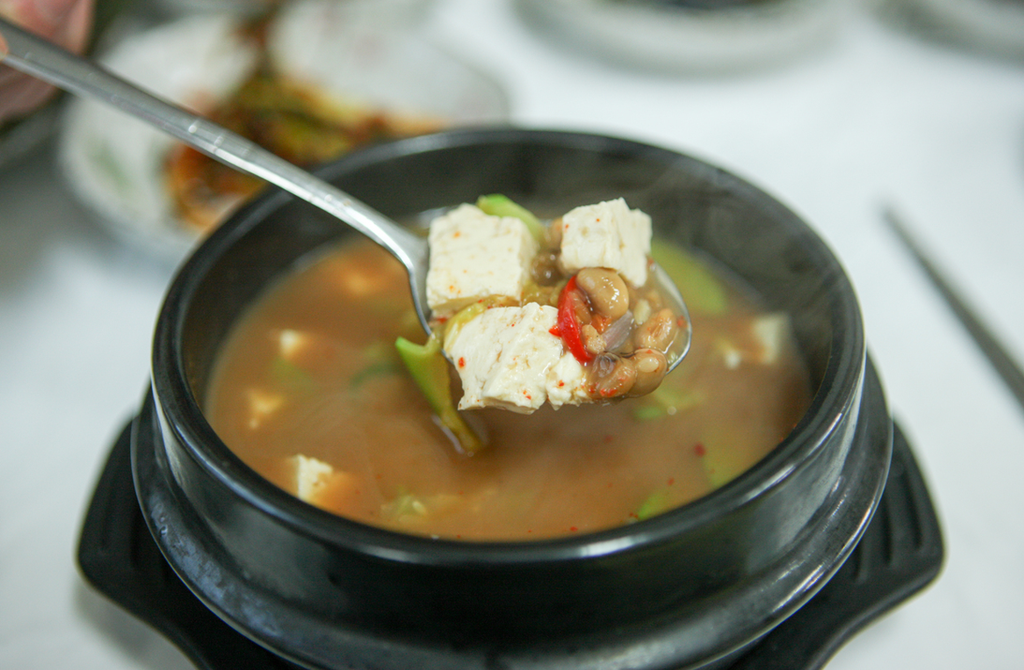
Doenjang jjigae is a Korean soybean paste stew. It may include tofu, zucchini, mushrooms, potatoes, onions, or seafood such as clams. The ingredients vary from kitchen to kitchen and by season. The stew is commonly served hot with a bowl of rice.
Doenjang-guk (된장국)
Doenjang-guk is soybean paste soup. It is usually more broth-like than jjigae and can be made with vegetables, seaweed, or leafy greens. It is a familiar everyday soup served with rice.
Ssamjang (쌈장)
Doenjang is one of the main ingredients in ssamjang, a thick dipping sauce often served with grilled meat and lettuce wraps. Ssamjang commonly combines doenjang and gochujang with other seasonings. Diners spread a little on a lettuce leaf before adding meat, rice, or vegetables.
Namul and Vegetable Dishes
A small amount of doenjang can season cooked vegetables or make a savory dressing. Some people also eat it as a dip with raw vegetables, though the flavor is strong, so it is usually used sparingly.
Doenjang’s History and Place in Korean Food Culture
Jang has been part of Korean food culture for many centuries. A record in the Samguk Sagi (삼국사기) from 683, during the Silla period, lists jang and si (시), a fermented soybean food, among the items sent as royal wedding gifts. Later, historical records describe jang being distributed to people in need. These accounts show that fermented soybean foods were valued both in ceremonial settings and as important provisions.
For generations, families made and stored jang at home, passing down recipes and methods. The flavor could differ from one household to another, reflecting the ingredients, fermentation conditions, and aging practices. Jang-making has also been recognized as a shared cultural tradition that connects food preparation with family knowledge and community life.
Doenjang and Miso: Are They the Same?
Doenjang and Japanese miso are both fermented soybean pastes, but they are not identical. They may differ in ingredients, fermentation methods, texture, and flavor. Doenjang is often described as having a stronger, earthier taste, while varieties of miso can range from mild and sweet to rich and salty.
If you are trying doenjang for the first time, tasting it in a cooked dish such as doenjang jjigae is a good introduction. The broth softens its intensity while letting its savory flavor come through.
Buying and Using Doenjang
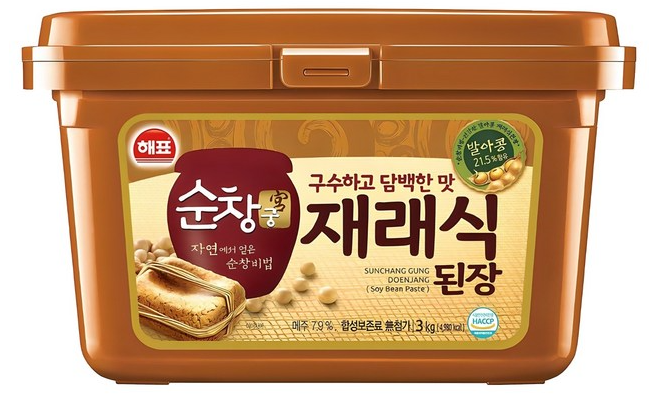
Doenjang is sold in tubs or sealed packages at Korean supermarkets and online shops. It is usually found near other Korean pastes and sauces. Check the label for ingredients and storage instructions, since products vary in saltiness and flavor.
Start with a small spoonful when cooking. You can add more as the stew or soup simmers. Doenjang is concentrated, and a little can add a noticeable savory depth to a dish.
Doenjang is one of the foundations of Korean home cooking. Whether it is simmered in a stew, stirred into soup, or served in ssamjang with grilled meat, it brings a distinctive fermented flavor to the Korean table.
Read Next
Doenjang Jjigae (된장찌개): Korea’s Savory Soybean Paste Stew –
Korean Jang (장): Gochujang, Doenjang, and Ganjang –
