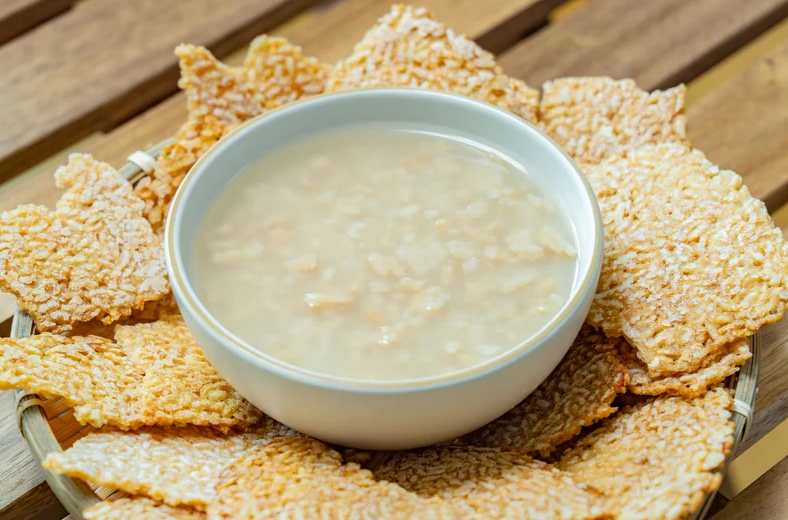

Scorched rice is the crisp, golden layer that can form at the bottom of a pot—and, less often, a rice cooker—when rice is cooked. In Korea, it is called nurungji (누룽지). The grains turn firm and lightly browned, giving off a nutty aroma. Nurungji can be scraped off and eaten as it is, or simmered with hot water to make sungnyung (숭늉), a traditional toasted-rice drink. Once mainly a by-product of cooking rice, it is now also made separately and enjoyed as a snack.
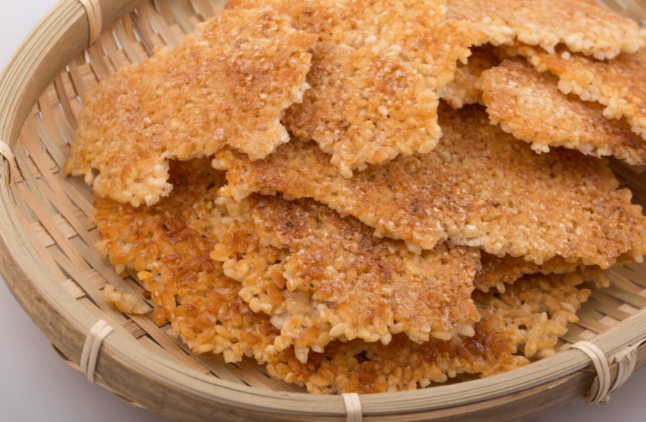
Photo: Getty Images Bank
Many modern electric rice cookers are designed to cook rice without browning or sticking it to the bottom, so nurungji is less likely to form during everyday cooking. It remains easy to enjoy, though: you can buy it ready-made or make it at home from cooked rice in a pan.
Quick Facts About Nurungji (누룽지)
- Korean name: 누룽지 (nurungji)
- What it is: The toasted, golden crust of rice that forms on the bottom of a pot as rice cooks
- Main ingredient: Cooked rice
- How it forms: It traditionally forms in a pot; modern electric rice cookers usually produce little or no crust
- Common ways to enjoy it: Eaten crisp as a snack, softened into nurungjibap (누룽지밥), or simmered with water to make sungnyung (숭늉)
- Available today: Sold packaged in Korean grocery stores and online, including plain rice, brown-rice, and grain varieties
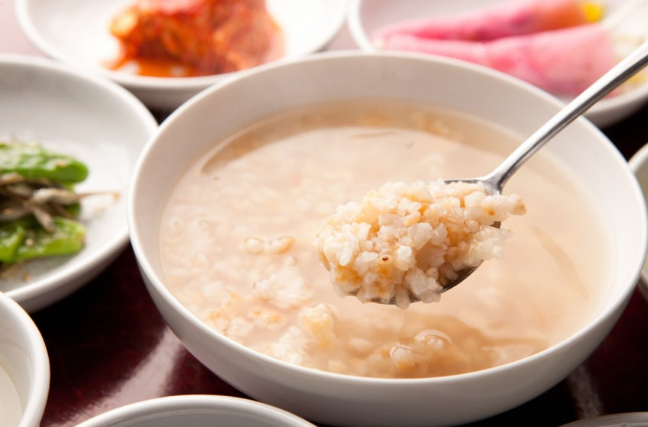
Photo: Getty Images Bank
More Than a Crispy Snack
Rice has long been central to Korean meals, and nurungji grew out of the traditional way of cooking it. Instead of scraping away the browned rice left in the pot, families saved and ate it. When snacks were scarce, some people deliberately made extra nurungji and fried it for a treat. Nurungji also gave a meal a gentle finish. Pouring water over the crust and simmering it makes sungnyung. The crisp crust, softened rice, and warm drink are different ways to enjoy what remains in the pot. Together, they show how an everyday by-product became part of Korean food culture.
How to Make Nurungji at Home
This method uses already-cooked rice, so you do not need a traditional cauldron. Plain short-grain rice works well. Use freshly cooked rice or rice that has been stored safely in the refrigerator; avoid rice left out for hours.
- Prepare the rice. Loosen it with a fork. If it is very firm or dry, sprinkle on a little water so it spreads without crumbling.
- Shape the crust. Place a portion of rice in a nonstick pan. Press and spread it into a thin, even layer, about 3–4 millimeters thick. A damp spoon can help keep the rice from sticking.
- Toast the first side. Cook uncovered over low heat. It may take about 12–15 minutes, depending on the pan and stove. The bottom should turn golden and release from the pan. If the edges darken before the center dries, lower the heat.
- Turn and finish. Carefully flip the rice and toast the other side for another 3–5 minutes, until crisp and dry. It should smell nutty and toasted, not smoky or bitter.
- Cool before serving. Move the nurungji to a rack or plate. It will become crisper as it cools. Break it into pieces for a snack, or save it to make sungnyung.
Traditionally, nurungji formed naturally at the bottom of a pot as the rice finished cooking. The pan method recreates the crisp layer separately from the rice-cooking process.
Nurungji in Stores Today

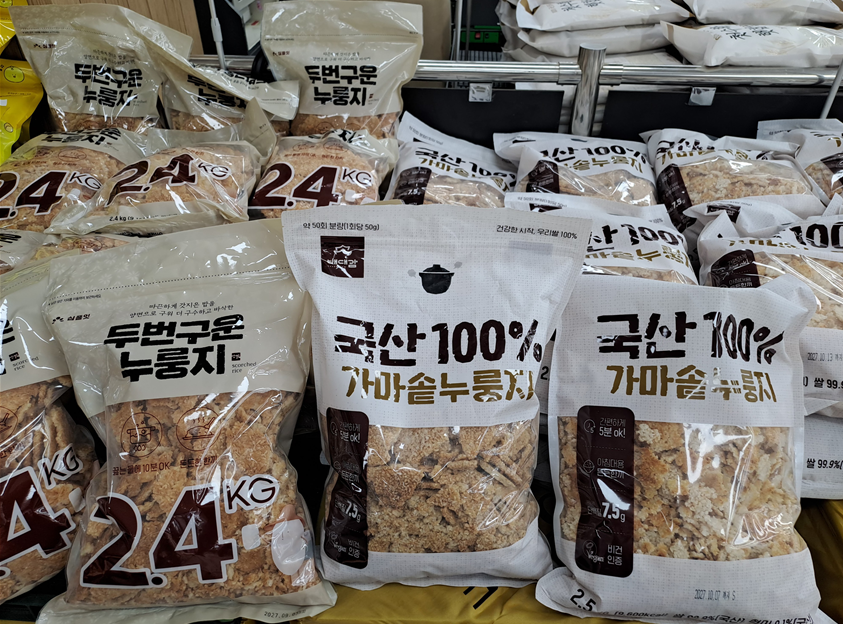
Packaged nurungji is sold in Korean supermarkets and grocery stores. You may find plain rice, brown-rice, or grain varieties, along with snack pieces and instant cups. It is also available from online Korean grocery shops. For example, MegaKfood lists several kinds, including rice, brown-rice, and barley nurungji. Product selection and delivery areas vary by seller. Ready-made nurungji is convenient when you do not want to prepare it at home. Eat it crisp, or add hot water and simmer it until the rice softens. For sungnyung, gently boil water with the crust until the drink takes on its toasted flavor.
Read Next
Bap (밥): Different Types of Korean Rice –
The Rice Cooker – Bopsot (밥솥) –

