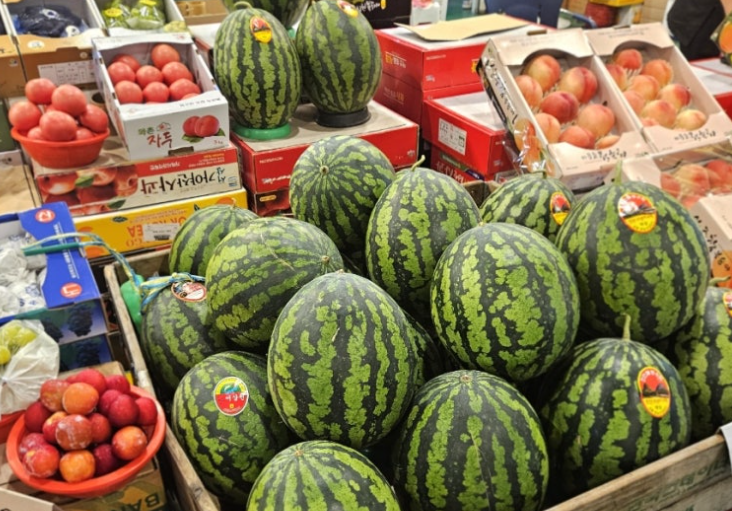

In Korea, watermelon (subak, 수박) is one of the fruits most closely associated with summer. It is juicy, sweet, and especially refreshing when served cold on a hot day.
Watermelon is also part of many people’s memories of summer in Korea. Families may buy one before heading off on vacation and bring it along to the beach, a mountain valley, or a holiday home. After swimming or playing in the water, sharing chilled watermelon is a simple way to cool off. A watermelon on the table is also a familiar image of summer in the Korean countryside.
Quick Facts About Korean Watermelon
- Korean name: 수박 (subak)
- What it is: A juicy summer fruit, usually with a green rind and red flesh
- Best-known season: Summer
- Popular ways to enjoy it: Chilled and sliced, in subak hwachae (수박화채), as fresh juice, or as watermelon-shaped ice cream
- Where to find it: Supermarkets, traditional markets, fruit shops, cafés, and convenience stores
What Does Korean Watermelon Taste Like?
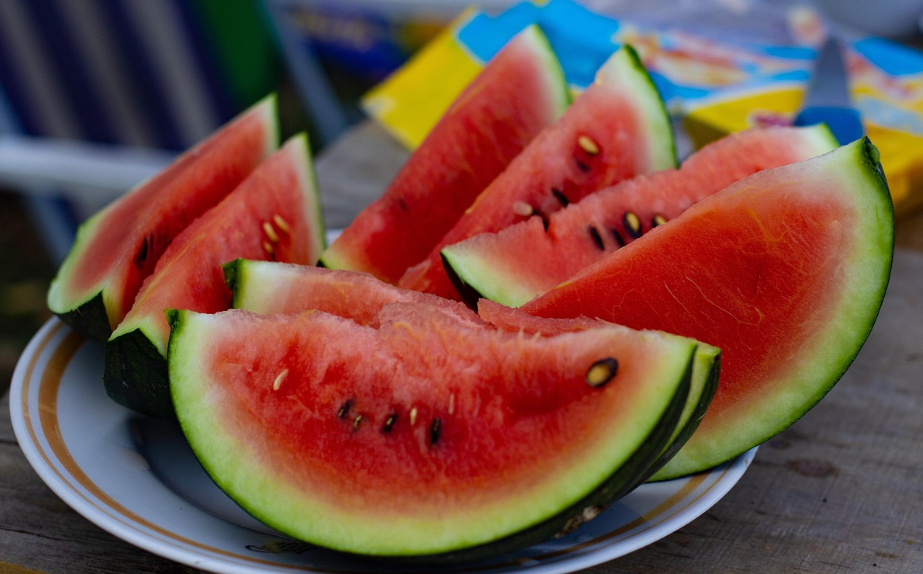
Ripe watermelon is juicy, sweet, and refreshing. It is usually served cold, making it a popular fruit during Korea’s hot and humid summer weather. Some varieties have black seeds, while seedless varieties are also available.
A whole watermelon can be heavy, so people often share one with family or friends. At home, it is commonly cut into wedges or bite-sized pieces and served chilled. Any leftover pieces can be covered and kept in the refrigerator.
When Is Watermelon in Season in Korea?
Watermelon is a familiar summer fruit in Korea. It is commonly harvested and sold from late spring through summer, with summer harvests often peaking around June and July. Watermelon is also available at other times of the year, depending on cultivation and supply.
During summer, watermelons appear at supermarkets, traditional markets, and fruit shops. Many people enjoy them at home after a meal or serve them as a cold snack on a warm afternoon.
Watermelon and Korean Summer Vacation Culture
Summer vacations in Korea often mean a trip to the beach, a mountain valley, or the countryside. Watermelon is an easy fruit to share on these outings: families may buy one before leaving, chill it, and cut it into pieces for everyone to enjoy.
Eating watermelon beside the water is part of the pleasure of piseo (피서), the Korean custom of seeking a cooler place to escape the summer heat. For some people, the sight of a watermelon being cut open at a country house or vacation spot brings back memories of long summer days.
Subak Hwachae (수박화채): Korean Watermelon Punch
One of the best-known Korean summer desserts made with watermelon is subak hwachae (수박화채). It is a chilled fruit punch usually made with watermelon pieces, ice, and a cold drink. Depending on the recipe, the liquid may include soda, milk, or both. Other fruits, such as peaches or melon, can be added too.
At home, the watermelon may be scooped into balls or cut into small cubes. Some people serve the punch inside a hollowed-out watermelon rind for a festive presentation. Recipes vary, so subak hwachae can taste light and fizzy or creamy and sweet.
Watermelon Juice at Korean Cafés
In summer, some Korean cafés offer fresh watermelon juice (subak-juseu, 수박주스). It is usually served cold and may be blended with ice. The sweetness and texture can vary from café to café, and some menus offer it only for a limited time during the summer.
If you see subak-juseu on a café menu, it is an easy way to enjoy watermelon without buying or cutting a whole fruit.
Subak-bar (수박바): Watermelon-Shaped Ice Cream
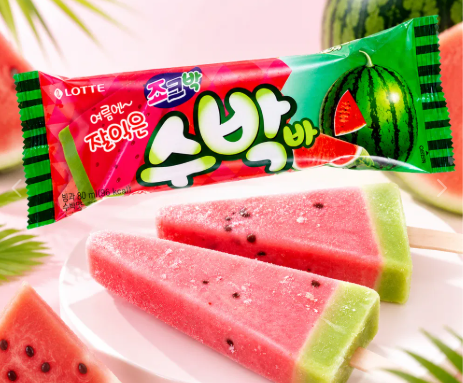
Subak-bar (수박바) is a familiar Korean ice cream shaped like a wedge of watermelon. Its red center, green outer layer, and small seed-like pieces make it look like a slice of the fruit. This packaged frozen treat is sold in Korea and is easy to look for in convenience stores and supermarkets. It is not the same as eating fresh watermelon, but its playful shape and cool, sweet flavor make it a nostalgic summer snack for many people.
Seasonal Fruit After a Korean Meal
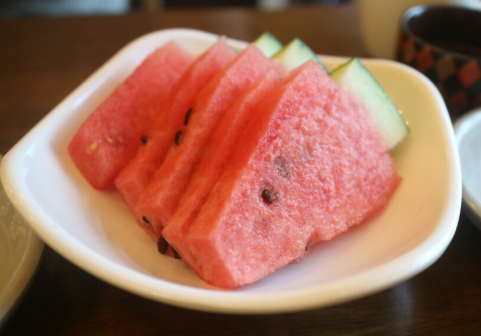
Some Korean restaurants serve a small piece of fruit after a meal. The selection may change with the season: watermelon is a refreshing dessert in summer, while Korean pear (bae, 배) may be served in autumn. It is a simple way to finish a meal with fresh, seasonal fruit.
How to Enjoy Watermelon in Korea
- Eat it chilled: Cut the watermelon into wedges or small pieces and serve it cold.
- Share it on a summer outing: Bring watermelon to the beach, a valley, or a vacation home for an easy group snack.
- Try subak hwachae: Look for it at a café or make a simple version at home with watermelon, ice, and a cold drink.
- Order seasonal juice: Some cafés serve watermelon juice during the summer.
- Try subak-bar: This watermelon-shaped ice cream is a fun packaged snack to look for at convenience stores.
From family vacations and countryside summers to fruit served after a restaurant meal, subak is more than a refreshing fruit in Korea—it is one of the tastes and images people associate with summer.
Read Next
Korean Fruits by Season: A Guide to Fruit in Korea –