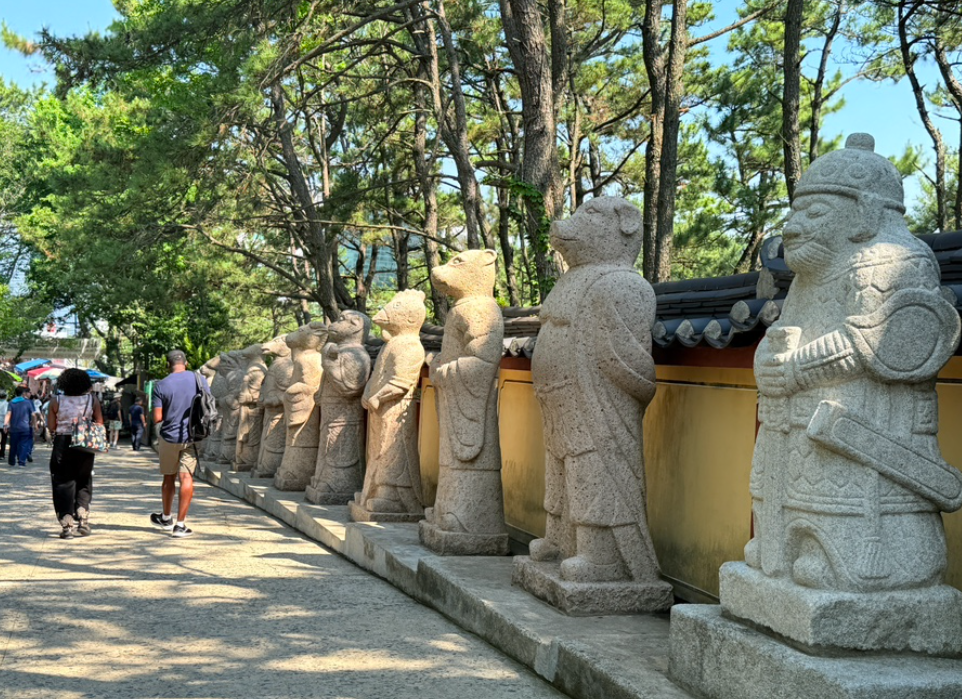

If someone in Korea asks, “What’s your tti?” (띠), they are asking which zodiac animal is associated with your birth year. The Korean zodiac has twelve animals, repeating in a twelve-year cycle. In traditional belief, each animal is associated with particular qualities and symbols.
The zodiac is part of a wider East Asian calendar system that Korea adopted and adapted. In Korea, zodiac animals have appeared in tomb art, Buddhist sculpture, folk paintings, and everyday objects. People still talk about their zodiac animal when discussing birthdays, New Year fortunes, and compatibility. These meanings are cultural traditions, not scientific descriptions of someone’s personality or destiny.
Quick Facts About the Korean Zodiac
- Korean name: 십이지 (sibiji), the twelve earthly branches; a birth-year sign is called 띠 (tti)
- Cycle: Twelve animals repeat every twelve years
- Traditional roles: The animals are associated with time and direction and were also regarded as guardians
- Common uses today: Talking about birth years, New Year fortunes, and relationship compatibility
- Important to remember: The traits below describe traditional symbolism, not proven personality types
A Folktale About the Twelve Zodiac Animals
Long ago, the Heavenly King wanted to assign ranks to the animals. After considering how to choose them, he announced that they would be ranked according to the order in which they reached the gates of heaven on the first day of the lunar year.
The animals were delighted and began training to arrive as quickly as possible. The ox worked especially hard. Seeing this, the small and seemingly weak rat thought it could never win on its own, so it climbed onto the ox’s back.
When the appointed day arrived, the animals raced toward heaven’s gates. The diligent ox was about to arrive first, but just as it reached the gate, the rat jumped down and crossed the threshold ahead of it. The ox was disappointed, but had to settle for second place.
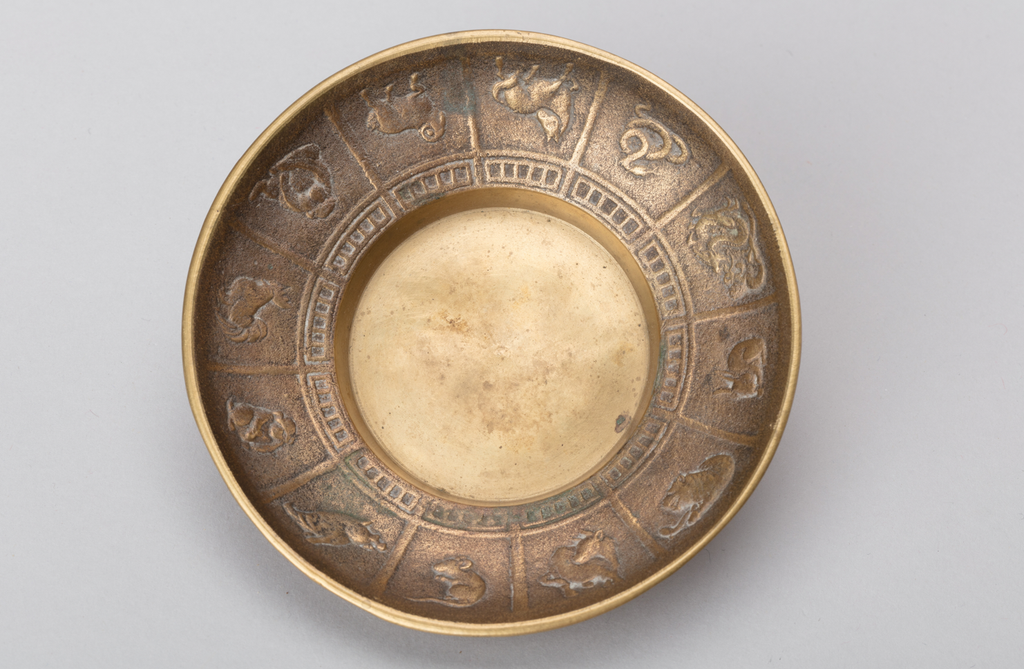
Photo: National Folk Museum of Korea
How the Twelve Animals Were Chosen
Many stories explain why these twelve animals—rat, ox, tiger, rabbit, dragon, snake, horse, sheep, monkey, rooster, dog, and pig—were chosen, why they appear in this order, and how they relate to one another.
Some folktales say that a divine ruler gathered the animals and ranked them by the order of their arrival. Other stories explain their selection through unusual physical traits, such as a missing or underdeveloped body part, or a feature that set each animal apart. The tale of the rat riding on the ox’s back and arriving first is one of the best-known explanations for the order of the zodiac.
Other folk explanations link the order to the animals’ toes. According to one version, the rat has an unusual combination: an even number of toes on its front feet and an odd number on its hind feet. This change between yin and yang is said to have earned it first place. The other animals then alternate between odd and even toe counts: ox (4), tiger (5), rabbit (2), dragon (5), snake (0), horse (1), sheep (4), monkey (5), rooster (4), dog (5), and pig (4).
Another explanation connects each animal to the time of day when it is most active. For example, the Rat Hour (jasi, 자시) is from 11 p.m. to 1 a.m., when rats are said to be most active. The Ox Hour (chuksi, 축시) is from 1 a.m. to 3 a.m., when oxen are thought to chew their cud and prepare for the morning’s plowing.
These are traditional stories and explanations about the zodiac’s order.
The 12 Korean Zodiac Animals at a Glance
Traditional timekeeping also assigned each animal a two-hour period. These are historical time divisions, not exact modern predictions about when an animal is active.
| Order | Animal and Korean name | Zodiac branch | Traditional time |
|---|---|---|---|
| 1 | Rat — 쥐 (jwi) | Ja (자, 子) | 11 p.m.–1 a.m. |
| 2 | Ox — 소 (so) | Chuk (축, 丑) | 1–3 a.m. |
| 3 | Tiger — 호랑이 (horangi) | In (인, 寅) | 3–5 a.m. |
| 4 | Rabbit — 토끼 (tokki) | Myo (묘, 卯) | 5–7 a.m. |
| 5 | Dragon — 용 (yong) | Jin (진, 辰) | 7–9 a.m. |
| 6 | Snake — 뱀 (baem) | Sa (사, 巳) | 9–11 a.m. |
| 7 | Horse — 말 (mal) | O (오, 午) | 11 a.m.–1 p.m. |
| 8 | Sheep — 양 (yang) | Mi (미, 未) | 1–3 p.m. |
| 9 | Monkey — 원숭이 (wonsungi) | Sin (신, 申) | 3–5 p.m. |
| 10 | Rooster — 닭 (dak) | Yu (유, 酉) | 5–7 p.m. |
| 11 | Dog — 개 (gae) | Sul (술, 戌) | 7–9 p.m. |
| 12 | Pig — 돼지 (dwaeji) | Hae (해, 亥) | 9–11 p.m. |
The time associations come from traditional explanations linking each animal with a particular part of the day. For example, the rat was associated with midnight, while the rooster was linked with sunset and returning to the coop.

Photo: National Folk Museum of Korea
The 12 Animals and Their Traditional Symbolism
1. Rat — 쥐띠 (Jwi-tti)

Birth Years: 1936 · 1948 · 1960 · 1972 · 1984 · 1996 · 2008 · 2020
The rat is the first animal in the cycle. In Korean folk belief, it can represent abundance, opportunity, and resourcefulness. A popular story explains its first place by saying that the rat rode on the ox’s back during a race to the heavenly gates, then jumped down at the last moment to arrive first. This is a folk tale about the order, not a historical account of how the zodiac began.
The Rat in the Korean Zodiac (Jwi, 쥐) –
2. Ox — 소띠 (So-tti)

Birth Years: 1937 · 1949 · 1961 · 1973 · 1985 · 1997 · 2009 · 2021
The ox was essential to traditional farming. It plowed fields, carried loads, and represented an important source of wealth for a household. It is often associated with diligence, patience, strength, and dependability.
The Ox in the Korean Zodiac (So, 소) –
3. Tiger — 호랑이띠 (Horangi-tti)

Birth Years: 1938 · 1950 · 1962 · 1974 · 1986 · 1998 · 2010 · 2022
The tiger represents strength and courage. It was also feared and respected as a powerful mountain animal. In Korean folk belief and art, the tiger could appear as a guardian figure; it is often shown alongside a mountain spirit in traditional paintings.
4. Rabbit — 토끼띠 (Tokki-tti)

Birth Years: 1939 · 1951 · 1963 · 1975 · 1987 · 1999 · 2011 · 2023
The rabbit represents cleverness, agility, and gentleness. In Korean folk belief and art, it is also associated with the moon: the familiar moon rabbit is shown pounding rice cakes beneath a laurel tree, while folktales often portray it outsmarting stronger animals.
The Rabbit in the Korean Zodiac (Tokki, 토끼) –
5. Dragon — 용띠 (Yong-tti)
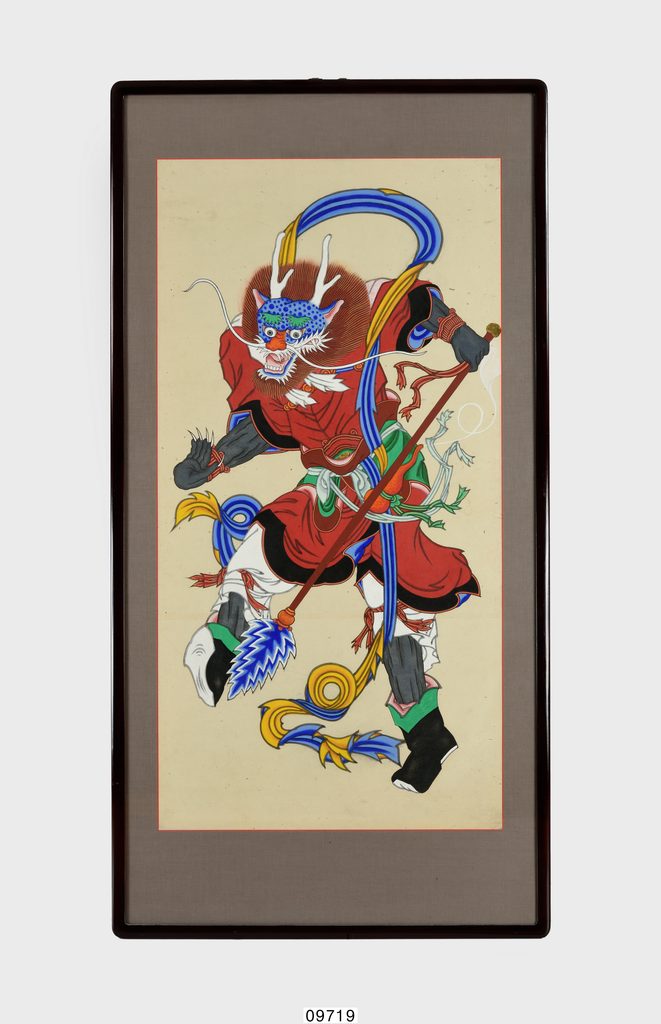
Birth Years: 1940 · 1952 · 1964 · 1976 · 1988 · 2000 · 2012 · 2024
Unlike the other eleven animals, the dragon is mythical. It is associated with power, royal authority, rain, and the ability to move between water, earth, and sky. In Korean art and belief, the dragon is often a guardian and a symbol of great strength.
The Dragon in the Korean Zodiac (Yong, 용) –
6. Snake — 뱀띠 (Baem-tti)
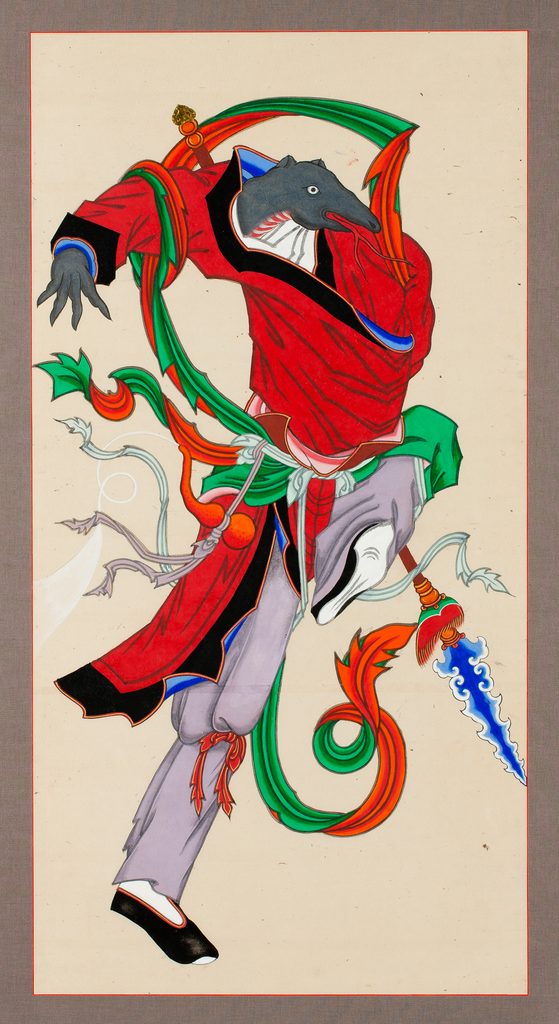
Birth Years: 1941 · 1953 · 1965 · 1977 · 1989 · 2001 · 2013 · 2025
The Snake represents wisdom, vitality, and fertility. Though often feared, it was also revered in Korean folk belief as a guardian spirit of the home and the earth, and as a symbol of abundance and rebirth.
The Snake in the Korean Zodiac (Baem, 뱀) –
7. Horse — 말띠 (Mal-tti)

Birth Years: 1942 · 1954 · 1966 · 1978 · 1990 · 2002 · 2014 · 2026
The horse represents energy, vitality, endurance, and movement. Horses were valuable for transportation and labor. In ancient Korean tomb art and stories, they could also serve as spiritual guides, carrying the deceased between this world and the next.
The Horse in the Korean Zodiac (Mal, 말) –
8. Sheep — 양띠 (Yang-tti)

Birth Years: 1943 · 1955 · 1967 · 1979 · 1991 · 2003 · 2015 · 2027
The sheep is associated with calmness, composure, and peace. The National Folk Museum of Korea describes it as an animal that keeps its cool under pressure. In popular zodiac talk, the sheep’s gentle nature is sometimes linked with a peaceful year.
9. Monkey — 원숭이띠 (Wonsungi-tti)

Birth Years: 1944 · 1956 · 1968 · 1980 · 1992 · 2004 · 2016 · 2028
The monkey is known for its intelligence and dexterity. In traditional symbolism, it is often associated with quick thinking and skill with the hands. Monkeys also appear among the many animals represented in Korean art and artifacts.
The Monkey in the Korean Zodiac (Wonsungi, 원숭이) –
10. Rooster — 닭띠 (Dak-tti)

Birth Years: 1945 · 1957 · 1969 · 1981 · 1993 · 2005 · 2017 · 2029
The rooster announces the dawn, so it became a symbol of light and the end of darkness. In Korean stories and folk belief, its crowing could signal the arrival of a new day and was sometimes treated as a good omen.
The Rooster in the Korean Zodiac (Dak, 닭) –
11. Dog — 개띠 (Gae-tti)
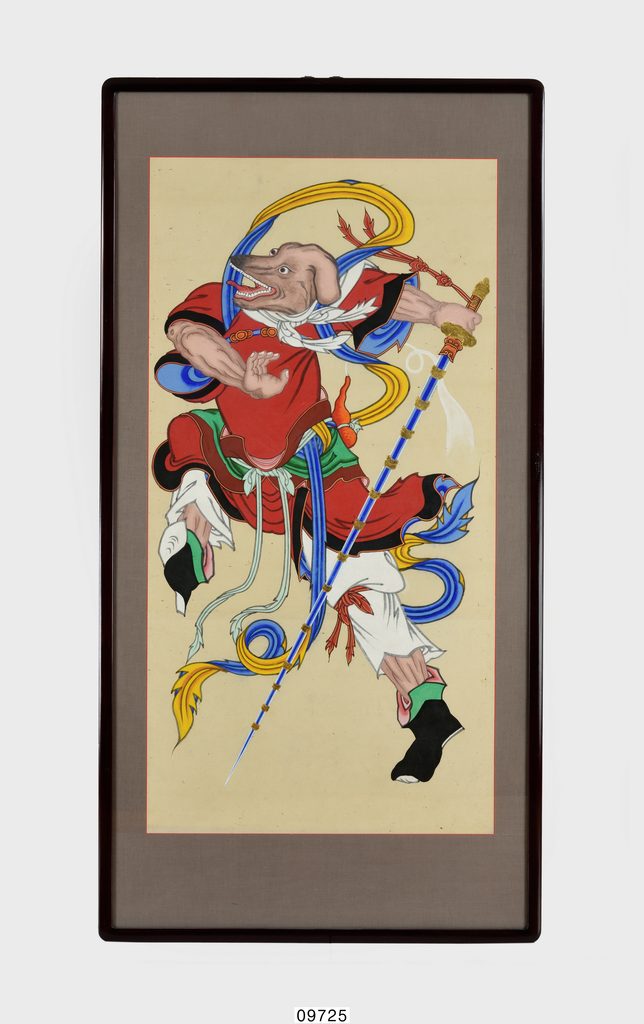
Birth Years: 1946 · 1958 · 1970 · 1982 · 1994 · 2006 · 2018 · 2030
The dog is associated with loyalty and protection. As a familiar household animal, it guarded people and homes. Dogs also appear in Korean folk stories and art, where they can be faithful companions or protectors.
The Dog in the Korean Zodiac (Gae, 개) –
12. Pig — 돼지띠 (Dwaeji-tti)

Birth Years: 1947 · 1959 · 1971 · 1983 · 1995 · 2007 · 2019 · 2031
The pig is considered an auspicious animal associated with fortune, happiness, and abundance. Pigs were also used in traditional offerings, giving them an important place in folk rituals. A pig dream is commonly regarded as lucky in Korea, although interpretations of dreams are folk beliefs rather than predictions.
Why Animals Matter in Korean Art and Belief
Animals have appeared in Korean art since prehistoric times. The Bangudae Petroglyphs in Ulsan include whales, deer, tigers, and other animals connected with hunting and fishing. Later, animals appeared in Goguryeo tomb murals, Silla clay figures, Buddhist sculpture, and Joseon folk paintings.
The twelve zodiac animals became especially visible as guardians in tomb art. In Unified Silla, figures of the zodiac animals were placed around royal tombs and were believed to protect the dead and the tomb in different directions. Over time, these animal images also appeared in paintings, crafts, and household decorations.
The zodiac system came from China, but it took on distinct forms in Korea through local beliefs, art, and customs. The animals were not only ways to mark a birth year: they also connected ideas about time, direction, protection, fortune, and the natural world.
What Does Your Korean Zodiac Animal Say About You?
In Korea, people may mention their zodiac animal when talking about someone’s birth year or exchanging New Year wishes. You might hear that someone born in the Year of the Ox is hardworking, or that a Dragon-year baby is courageous. These are familiar cultural associations, not scientifically established personality traits.
Learning the twelve animals is a simple way to explore Korean traditions. Each sign has its own place in the cycle, along with stories and symbols shaped by centuries of life, art, and belief.
References
Lee Jong-hwan, Tti Sip-i Dongmul Iyagi (띠12동물이야기, “Stories of the Twelve Zodiac Animals”), Shinyang Publishing, 1989.
Cheon Jin-gi, Unmyeongeul Ilneun Kodeu Yeoldu Dongmul (운명을 읽는 코드 열두 동물, “The Code for Reading Destiny: The Twelve Animals”), Seoul National University Press, 2008.
Cheon Jin-gi, Hanguk Dongmul Minsokron (한국동물민속론, “Korean Animal Folklore”), Minsokwon, 2003.
Lee Chan-uk, Hangukui Tti Munhwa (한국의 띠문화, “Korean Zodiac Culture”), Hwanggeum Sidae, 2000.
Read Next
Dream Interpretation in Korean Culture: Lucky and Unlucky Dreams –

