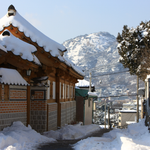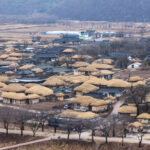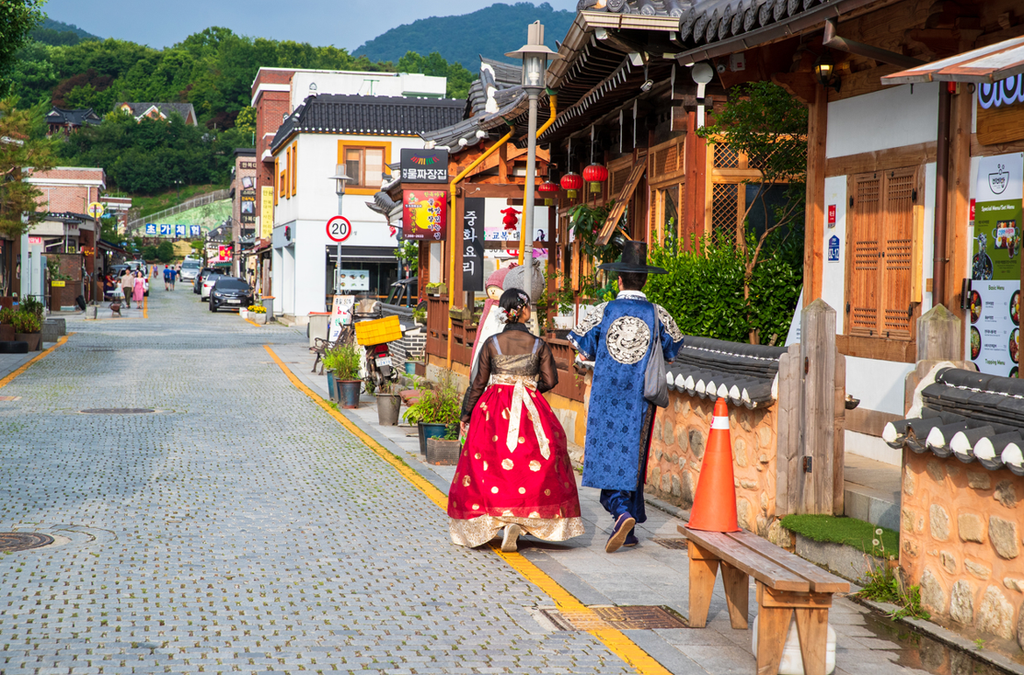

Jeonju Hanok Village (전주한옥마을) is one of Korea’s best-known places to experience traditional architecture, history, food, and local culture. More than 700 hanok (한옥), or traditional Korean houses, stand in the heart of Jeonju. Their tiled roofs and narrow lanes create a distinctive cityscape, while historic sites such as Gyeonggijeon Shrine and Jeondong Catholic Cathedral bring together stories from very different periods of Korean history.
A visit here can be much more than a walk through pretty streets. You can learn about the founding of the Joseon Dynasty, explore museums dedicated to royal portraits and traditional crafts, try making a Korean fan or printing an old-style book, and taste Jeonju’s famous food. The village is best explored slowly, with time to step away from the busiest streets and notice its courtyards, workshops, museums, and cultural spaces.
Quick Facts About Jeonju Hanok Village
Korean name: 전주한옥마을 (Jeonju Hanok Village)
Location: Pungnam-dong and Gyo-dong, Wansan-gu, Jeonju
Known for: More than 700 hanok, traditional culture, museums, and Jeonju food
Admission: Free to walk around the village
Nearby highlights: Gyeonggijeon Shrine, Jeondong Catholic Cathedral, Omokdae, Jeonju Hyanggyo, and Nambu Market
Best experiences: Wearing hanbok, visiting local museums, trying a craft activity, and sampling Jeonju specialties
UNESCO designation: Jeonju is a UNESCO Creative City of Gastronomy
A Historic Neighborhood in the Heart of Jeonju
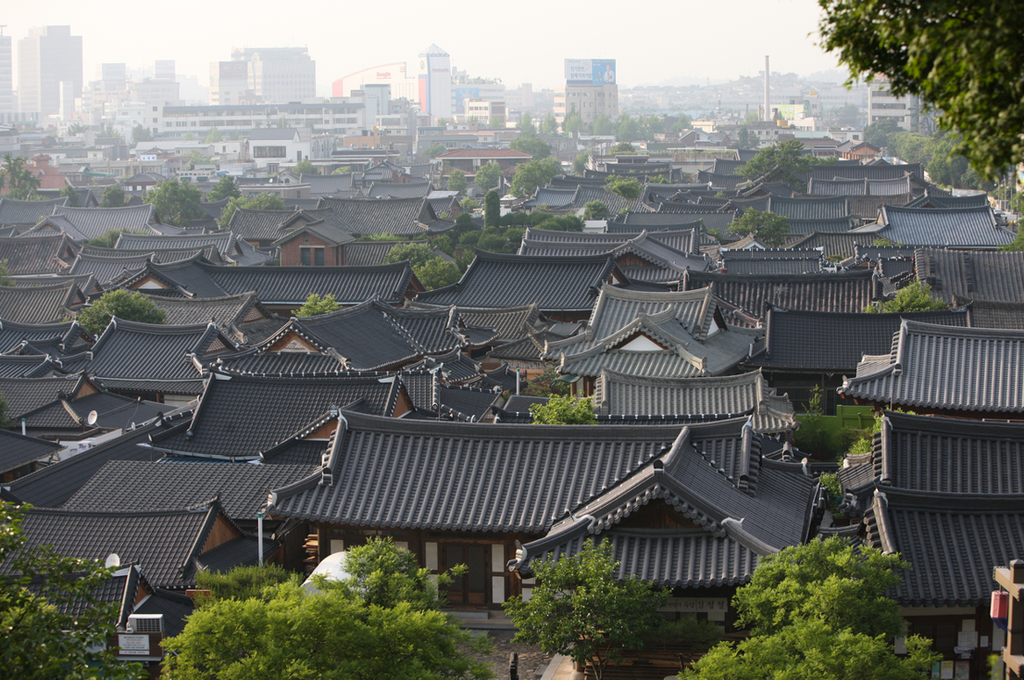
Jeonju Hanok Village is the largest concentration of traditional hanok in Korea and one of the country’s rare historic neighborhoods located within a modern city center. The village began taking shape around 1910, as Korea’s urban housing culture changed. Today, roughly 700 hanok sit alongside shops, guesthouses, restaurants, cultural facilities, and residents’ homes.
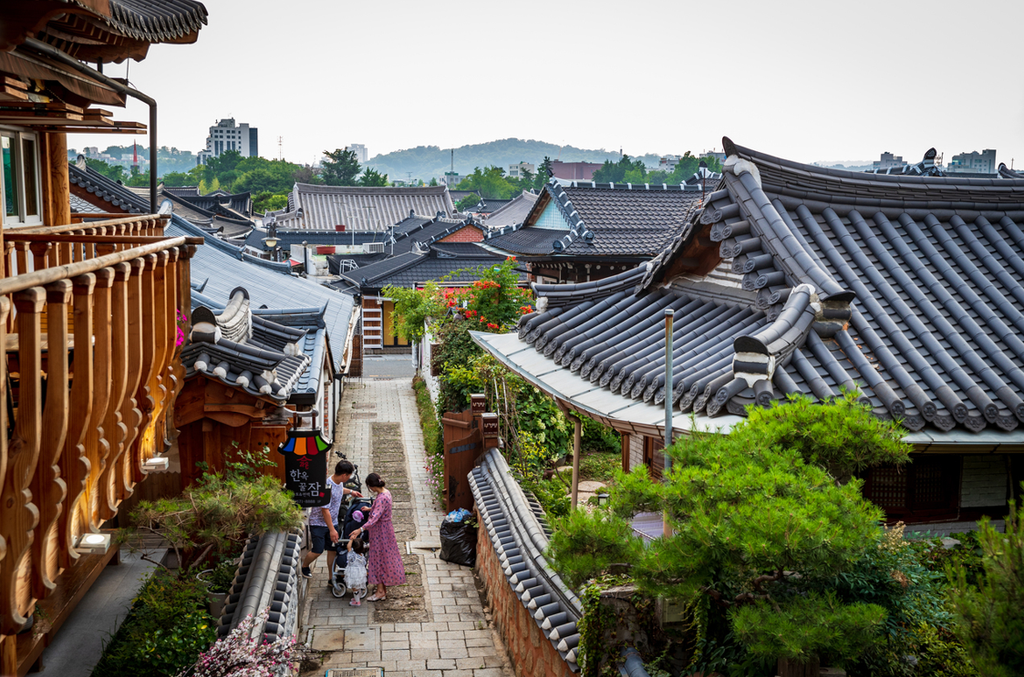
This mix gives the neighborhood a different feel from a reconstructed folk village. People live and work here, and the village’s lanes connect everyday life with historic sites and visitor experiences. Some hanok serve as guesthouses, tea rooms, restaurants, craft studios, or exhibition spaces. Others are private homes.
Jeonju was designated an International Slow City in 2010. The idea of slowing down fits the village well: the best way to see it is on foot, taking time to look at the rooflines, wooden doors, stone walls, and small gardens along the way.
A Brief History of Jeonju
Jeonju has a long history as an important regional center. It is closely associated with the Jeonju Yi clan, the royal family of the Joseon Dynasty. Yi Seong-gye, who became King Taejo and founded Joseon, was born into the Jeonju Yi family. The city’s royal connections are especially visible at Gyeonggijeon Shrine, built to honor Taejo.
The hanok village itself reflects a more recent chapter. As Jeonju developed in the early 20th century, homes and streets were built and adapted within the old city. Many of the hanok that form the village today belong to this period of modern urban growth. Their design preserves traditional features while responding to the needs of a denser neighborhood.
Historic landmarks across the village tell different parts of Jeonju’s story. Gyeonggijeon represents the Joseon royal court. Jeondong Catholic Cathedral recalls the history of Catholicism and persecution in Korea. Jeonju Hyanggyo preserves the city’s Confucian educational tradition, while Omokdae is associated with the early history of the Joseon royal family.
What to See and Do in Jeonju Hanok Village
Walk Through the Hanok Lanes
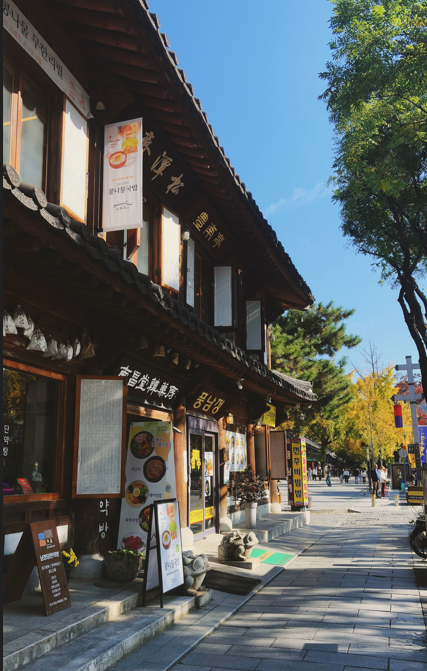
Start by wandering through the smaller streets rather than staying only on the busiest shopping roads. Look for the rhythm of the roofs, the pattern of wooden beams, and the way walls and courtyards create privacy. The village’s appearance changes from one lane to another: some streets are lively with cafés and shops, while others feel quieter and more residential. The main roads can become crowded, especially on weekends and holidays. A good way to enjoy the village is to explore a few side lanes, then return to the central streets when you are ready to eat or visit a cultural attraction.
Visit Gyeonggijeon Shrine
Gyeonggijeon Shrine (경기전) is one of the most important historic sites in Jeonju. It was built in 1410 to enshrine the portrait of King Taejo, the founder of the Joseon Dynasty. The shrine was damaged during the Japanese invasions of Korea in the late 16th century and rebuilt in 1614. Inside the grounds, you can see the main shrine buildings, ceremonial spaces, stone walls, and tree-lined paths. The quiet courtyards offer a striking contrast to the busy streets just outside the gates. The bamboo grove and old trees are especially atmospheric, and the site is a popular place for visitors wearing hanbok to take photos. Allow time to look beyond the main hall. The shrine complex has several buildings and open spaces, and a slower visit makes it easier to understand how the site was arranged and used. The Royal Portrait Museum, located within the grounds, introduces the history and preservation of royal portraits.
Explore the Royal Portrait Museum
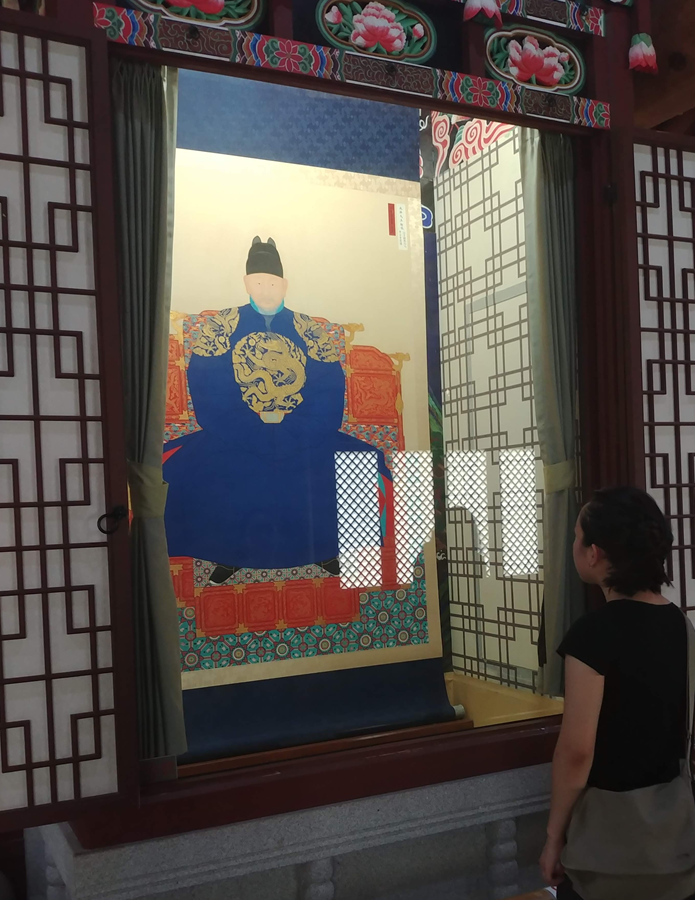
The Royal Portrait Museum, also known as the Eojin Museum (어진박물관), is inside Gyeonggijeon. Its exhibits explain the role of royal portraits, the history of Gyeonggijeon, and the process of preserving royal cultural heritage. The museum also displays palanquins and objects connected with royal portrait processions and ceremonies. Look for the sections on King Taejo’s portrait and the palanquins used to carry royal portraits. Depending on the schedule, the museum may also offer hands-on activities such as a royal guard experience or traditional portrait-related craft programs. These activities may require a reservation or have limited availability, so check the museum’s current program information before visiting.
See Jeondong Catholic Cathedral
Jeondong Catholic Cathedral (전주전동성당) stands across from Gyeonggijeon and is one of the most recognizable buildings in Jeonju. Its red and gray brick walls, rounded arches, and three bell towers create a distinctive silhouette among the hanok roofs. The cathedral was built to honor Catholic martyrs who were executed in the area during the Joseon Dynasty. French priest François-Xavier Baudounet purchased the site in 1891, construction began in 1908, and the church was completed in 1914. Its design combines Romanesque and Byzantine influences, and it is considered the first Romanesque-style church in the Honam region. Take a moment to view the building from the plaza and notice how its Western-style architecture contrasts with the traditional Korean houses around it. The cathedral is an active place of worship, so be respectful, keep noise low, and check whether visitors are allowed inside when you arrive. Access may be limited during Mass or church events.
Climb to Omokdae
Omokdae (오목대) is a historic pavilion on a hill overlooking the village. The short climb rewards visitors with a broad view of tiled roofs, nearby streets, and the modern city beyond. It is one of the best places to understand the scale of the hanok district. The path includes steps and an uphill stretch, so take your time. If the weather is clear, visit in the late afternoon when the light softens across the roofs. The view is also a reminder that the village is part of a living city, not an isolated historic set.
Explore Jeonju Hyanggyo
Jeonju Hyanggyo (전주향교) is a Confucian school that preserves the traditions of education and ritual from earlier centuries. Its halls, courtyards, and old trees make it one of the quieter places to visit in the area. The architecture feels more restrained than the royal spaces at Gyeonggijeon. Walk through the courtyards and look at the arrangement of the lecture hall and shrine buildings. The calm atmosphere makes this a good stop if you want a break from the busier shopping streets.
Discover Jeonju’s Museums
Jeonju Hanok Village has several small museums and cultural spaces, each focused on a different part of the city’s heritage. You can choose one or two that match your interests, or visit several as you walk through the village.
Jeonju Hanok Village History Museum introduces the formation and development of the village. Exhibits explore hanok architecture, traditional life, and how Jeonju’s historic neighborhood changed over time. It is a useful stop before walking the lanes because it gives context to the homes and streets you will see outside. The museum is free to enter, but it is generally closed on Mondays.
Jeonju Traditional Liquor Museum explores the tradition of making Korean liquor at home. Exhibits show the tools and methods used in traditional brewing, and visitors may be able to join a tasting or hands-on brewing program. Some programs require advance reservations and have separate fees. The museum focuses on alcoholic drinks, so tasting activities are for adults of legal drinking age.
Jeonju Fan Culture Center celebrates the history and craftsmanship of Jeonju’s traditional fans. Its exhibitions feature different styles of fans and the work of fan artisans. Visitors can also try painting or decorating a fan, with some programs available on a regular schedule. Admission to the exhibition is free, while craft activities may have a fee.
Jeonju Crafts Exhibition Hall brings together displays, craft studios, and experience programs. Depending on the day, visitors may be able to try traditional crafts such as fan making, hanji paper crafts, or mother-of-pearl decoration. It is a good place to look for a small handmade souvenir and learn how local crafts are made.
Wanpanbon Culture Center focuses on Jeonju’s history of publishing and printed books. Its exhibits introduce woodblock-printed books and the local publishing tradition. Some programs let visitors try woodblock printing, make a small old-style book, or print a design onto hanji paper.
The museums and cultural facilities have different hours, closing days, and program schedules. Check each venue’s current information before planning your route, especially if there is a particular workshop you want to join.
Rent Hanbok and Visit Gyeonggijeon
Hanbok rental shops are found throughout the village. Wearing hanbok can make a walk through the historic lanes feel more immersive, and it is a popular way to take photos at Gyeonggijeon’s gates, stone walls, and tree-lined paths.
Rental shops offer different styles and packages, and prices vary. Check what is included before choosing a package, especially the rental period and whether accessories are provided. Walk carefully on steps and uneven streets, and be mindful of other visitors when taking photos.
Try a Hands-On Cultural Experience
A visit to Jeonju can include more than looking at buildings and exhibits. Depending on what is available during your visit, you may be able to paint a traditional fan, make a hanji craft, try woodblock printing, or take part in a traditional game.
The village also has programs connected with tea, Korean food, etiquette, traditional music, and hanok life. Some activities are designed for individuals or families, while others are offered mainly to groups and require reservations. Check the official Hanok Village experience listings or contact the venue before going.
For a memorable stay, consider sleeping in a hanok guesthouse. Many provide a chance to experience ondol floor heating, a quiet courtyard, and the slower rhythm of a traditional-style home. Facilities differ from one guesthouse to another, so review the room details before booking.
Try Jeonju’s Local Food
Jeonju is famous for its food, and the village is a convenient place to sample several local specialties. Jeonju bibimbap combines rice, vegetables, meat, egg, and gochujang in a colorful bowl. Kongnamulgukbap, a warm rice and soybean sprout soup, is another well-known dish, often enjoyed as breakfast or after an evening out.
You will also find traditional set meals, grilled short rib patties, makgeolli, and a wide range of street snacks. Some popular snacks are modern interpretations created for visitors, so consider mixing them with a sit-down meal at a local restaurant. For a more relaxed food experience, look for a traditional tea house or a restaurant serving a full Jeolla-style meal.
Browse Nambu Market
Nambu Market (남부시장) is a short walk from the village and offers a different view of local life. The market has long served Jeonju residents, with stalls selling food, household goods, and produce. Its night market, when operating, adds food stalls and a lively evening atmosphere.
Opening days and hours can vary by stall and season. Check local listings before planning your evening around the night market. Even during the day, the market is worth a visit for a look at a traditional Korean marketplace and a chance to try more regional food.
How to Visit Jeonju Hanok Village
Jeonju Hanok Village is located in Pungnam-dong and Gyo-dong, Wansan-gu, Jeonju. The main tourist information center is at 99 Girin-daero.
The village streets are open year-round, and there is no general admission fee for walking around. Individual attractions, museums, performances, and activities may have separate fees and operating hours.
Gyeonggijeon Shrine Hours and Admission
As of October 2026, Gyeonggijeon is open daily, with seasonal hours:
- March–May: 9:00 a.m.–7:00 p.m.
- June–August: 9:00 a.m.–8:00 p.m.
- September–October: 9:00 a.m.–7:00 p.m.
- November–February: 9:00 a.m.–6:00 p.m.
Last admission is one hour before closing. Admission is ₩3,000 for adults, ₩2,000 for teenagers, and ₩1,000 for children. The Royal Portrait Museum is included with Gyeonggijeon admission. Free admission is offered on the last Wednesday of each month and for some age groups. Check the official visitor page before your trip in case hours or fees change.
Jeondong Catholic Cathedral is an active church. Visitor access can change around Mass and church events, so check the cathedral’s official information and follow any signs or staff instructions.
Getting to the Village
From Jeonju Station, local buses go to the stop in front of Jeondong Catholic Cathedral and Hanok Village. The ride takes about 25 minutes, though traffic can affect travel time. Taxis are also available.
If you arrive at the express bus terminal, buses also run toward the cathedral and village area. Jeonju has more than one bus terminal, so confirm which terminal your ticket uses before planning your route. For current bus directions and arrival times, check a local map or transit app on the day of travel.
Parking is available in public lots around the village, but spaces can fill during busy periods. A shuttle bus connects some parking areas and village stops. If you are staying overnight, walking from your hanok accommodation may be the easiest option.
Tips for Planning Your Visit
- Start early or stay into the evening. The central streets are busiest during the middle of the day, especially on weekends and holidays.
- Plan time for Gyeonggijeon and its museum. The shrine grounds and Royal Portrait Museum add historical context to the village walk.
- Choose museums that interest you. The Hanok Village History Museum, Traditional Liquor Museum, Fan Culture Center, and Crafts Exhibition Hall each offer a different perspective.
- Reserve hands-on programs ahead of time. Brewing, craft, food, and group activities may require advance booking.
- Check cathedral access before entering. Jeondong is an active church, and visiting conditions may change during worship or events.
- Wear comfortable shoes. The village has stone lanes, steps, and uphill walks, especially on the way to Omokdae.
- Use public transportation when possible. Parking can be limited when visitor numbers are high.
- Leave room for a meal. Jeonju is known for its food, and eating local dishes is an important part of the visit.
Why Jeonju Hanok Village Is Worth Visiting
Jeonju Hanok Village brings together several sides of Korean culture in a walkable part of the city. Its hanok lanes show how traditional houses adapted to modern urban life. Gyeonggijeon connects the area to the founding of the Joseon Dynasty, while Jeondong Catholic Cathedral preserves a very different chapter of Korean history.
The village’s museums and workshops make that history easier to explore. You can learn about royal portraits, traditional fans, book printing, and home-brewed liquor, then try a craft activity or join a cultural program yourself. Nearby markets, food, and hanok guesthouses add to the experience.
Take time to explore beyond the busiest streets. Climb to Omokdae for a view over the roofs, step into the quiet grounds of Jeonju Hyanggyo, visit a museum, and leave room for a meal or a traditional tea. A thoughtful visit turns the village from a photo stop into a fuller experience of Jeonju’s history, architecture, food, and everyday culture.
Official Visitor Resources
- Jeonju Hanok Village — Official Website
- Cultural Facilities in Jeonju Hanok Village — Official Guide
- Jeonju Hanok Village History Museum — VISIT JEONJU
- Royal Portrait Museum — Korea Tourism Organization
- Jeonju Traditional Liquor Museum — Korea Tourism Organization
- Jeondong Catholic Cathedral — Korea Tourism Organization
- Jeonju Hanok Village Directions and Transport — Official Website
Read Next
Hanok Villages in Korea: Bukchon, Jeonju, and Hahoe
Korean Floor Heating (Ondol): How It Works in Korean Homes –
Bukchon Hanok Village (북촌한옥마을)