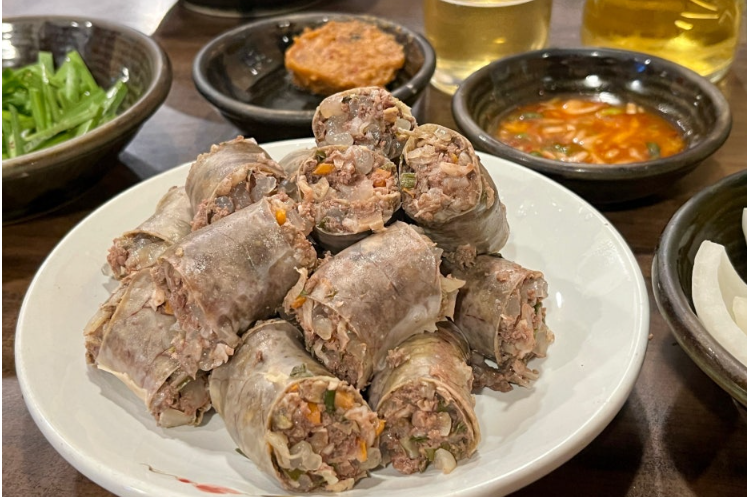

Sundae (순대) is one of Korea’s familiar market and snack-shop foods. It is usually made by filling pork intestines with glass noodles, vegetables, rice, and pork blood, then steaming or boiling them. The slices are often served with salt and eaten alongside tteokbokki or other Korean snacks.
But sundae is not one fixed recipe. Traditional and regional versions use different fillings, intestines, and even seafood. Comparing these styles is a good way to discover how a familiar Korean snack can change from one place to another.
- Korean name: 순대 (sundae)
- What it is: A steamed or boiled sausage, usually made with pork intestine
- Common filling: Glass noodles, rice, vegetables, and pork blood
- Often served with: Salt, pork liver, or other boiled pork cuts
- Popular dishes: Sliced sundae, sundae gukbap, and sundae bokkeum
What Is Sundae?
Sundae is made by filling an animal casing with a mixture of grains, vegetables, seasonings, and sometimes seonji (선지), or coagulated animal blood. The filled casing is steamed or boiled and then sliced.
Quick Facts About Sundae
The everyday version found at many markets and snack shops often contains dangmyeon (당면), translucent noodles made from starch. The noodles give the filling a soft, springy texture. Recipes vary, so the flavor and texture can differ from one shop to another.
Sundae has a longer history than its reputation as a quick snack suggests. Old Korean cookbooks describe several kinds, including pork-intestine and fish-based versions. One historical pork sundae recipe lists pork blood, mung bean sprouts, water parsley, radish, tofu, and kimchi as filling ingredients. It does not include the glass noodles common in many snack-shop versions today.
This is why “traditional sundae” does not refer to just one recipe. Ingredients and cooking methods have changed across regions and over time.
From Traditional Recipes to Street-Style Sundae
Many visitors first encounter the glass-noodle-filled kind at a market stall or bunsikjip (분식집), a casual Korean snack shop. The mild, soft filling and chewy casing make it easy to enjoy with tteokbokki, kimbap, or fried snacks.
Other recipes use more rice, vegetables, or pork blood, and some contain little or no glass noodle. Byeongcheon sundae, for example, is often made with more pork blood and glutinous rice and less glass noodle than the widely available version. Recipes still vary by shop.
Regional Types of Sundae
Pi Sundae
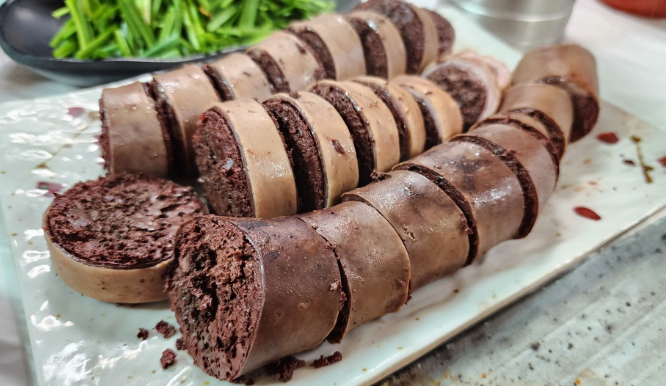
Pi sundae (피순대) is associated with Jeonju and other parts of Jeolla Province. “Pi” means blood, and this style is known for its rich, savory flavor and noticeable pork-blood filling. It offers a different experience from the milder glass-noodle sundae found at many snack shops.
Byeongcheon Sundae
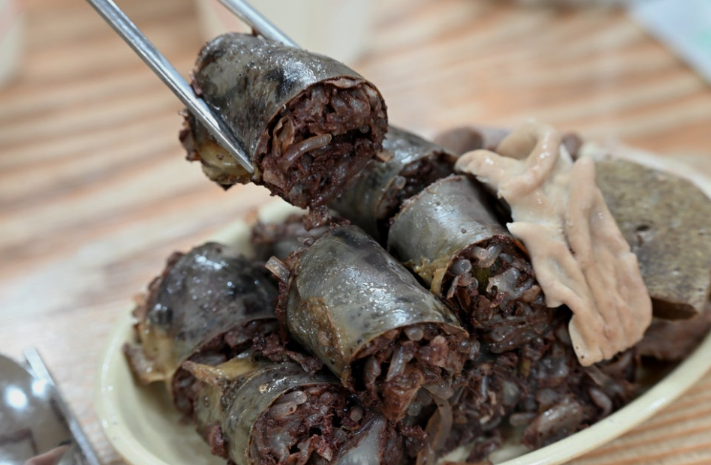
Byeongcheon sundae (병천순대) comes from the Byeongcheon area of Cheonan in South Chungcheong Province. The local market once drew traders and travelers, for whom sundae soup was an affordable, filling meal. The regional sundae is known for its vegetable-rich filling, pork blood, and glutinous rice.
Baegam Sundae
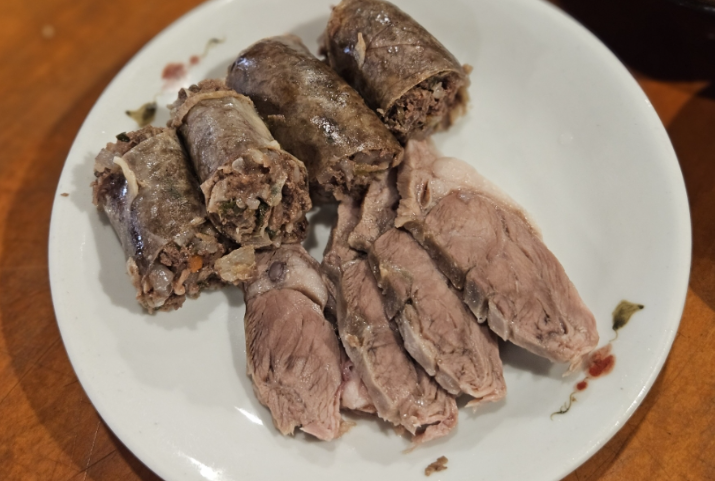
Baegam sundae (백암순대) is associated with the Baegam area of Yongin. Its filling can include tofu, kimchi cabbage, chives, onions, mung bean sprouts, and pork blood. The vegetables give it a lighter, cleaner flavor than some richer styles.
Abai Sundae
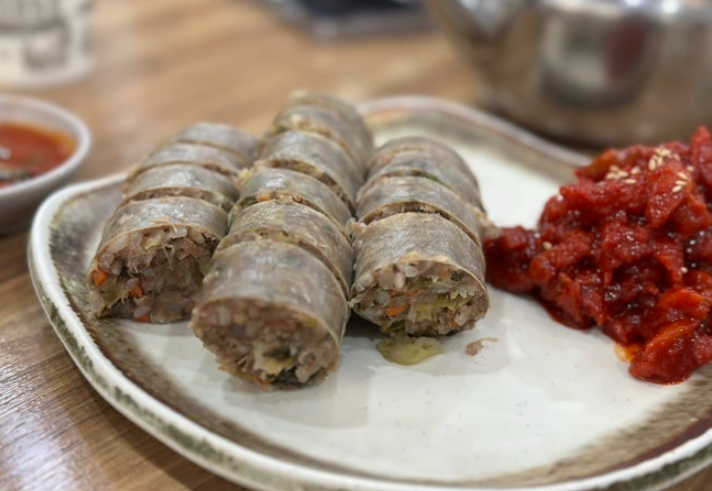
Abai sundae (아바이순대) is closely connected with Sokcho and the food traditions of people from Hamgyeong Province who settled there after the Korean War. It is made with pork large intestine and a hearty filling that may include glutinous rice, pork blood, cabbage greens, and mung bean sprouts. Its large size and substantial filling make it quite different from the thin slices commonly sold at snack shops.
Ojingeo Sundae
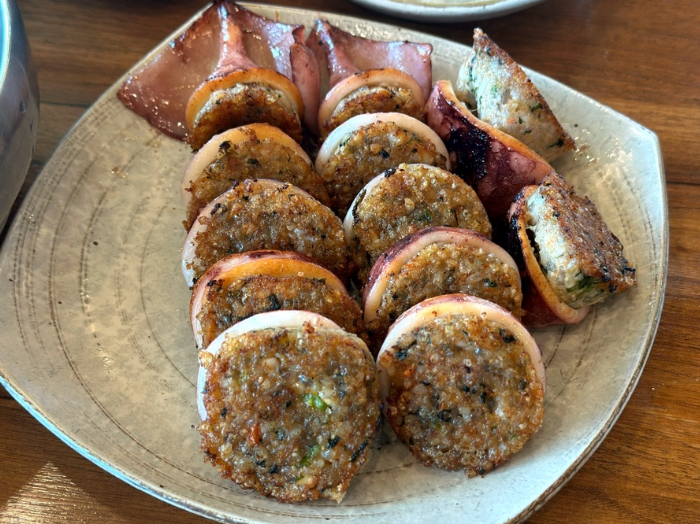
Ojingeo sundae (오징어순대), or stuffed squid, is a local specialty of Gangwon Province. Squid is filled with ingredients such as beef, mung bean sprouts, and tofu, then steamed. The soft filling contrasts with the squid’s chewy texture. It is less common than everyday pork sundae, but makes an interesting regional dish to look for when visiting the east coast.
Why Pork Liver Is Often Served with Sundae
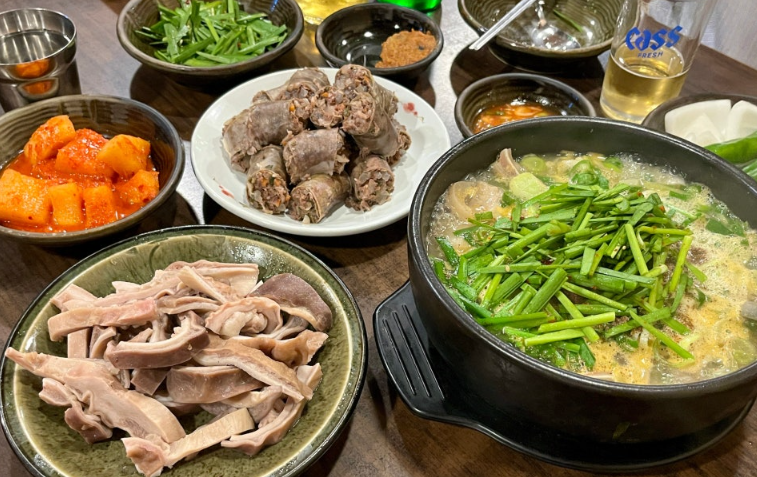
Many street stalls and snack shops serve slices of boiled pork liver alongside sundae. The liver is a side dish, not part of the sausage filling, and some shops also offer other boiled pork cuts. Freshly cooked liver can be tender, moist, and savory. Its texture changes as it cools, though: liver that has been kept warm for a long time can become dry, crumbly, or slightly bitter. Its quality can therefore vary by shop and even by the time of day. If you would like to try it, start with a small piece while it is still warm. If you prefer to skip the offal, you can say “내장 빼고 순대만 주세요” (naejang ppaego sundae-man juseyo), meaning “Sundae only, without the offal, please.”
Popular Ways to Eat Sundae
Sliced Sundae
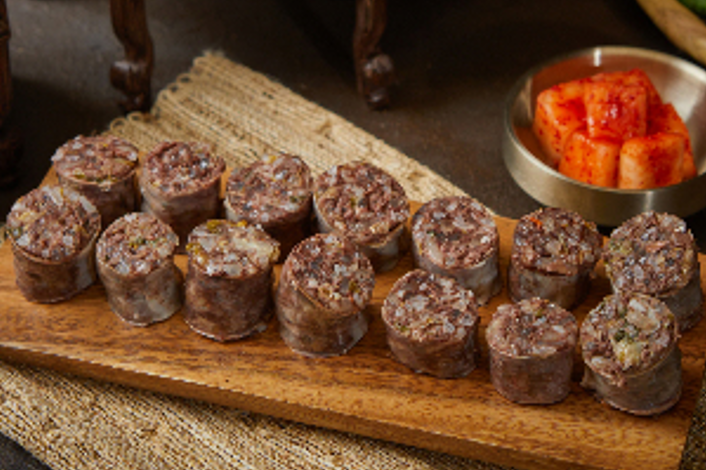
Sliced sundae is a common market or snack-shop order. It is usually served warm with salt, sometimes mixed with pepper or chili powder. Sundae is also a classic partner for tteokbokki: its mild filling balances the spicy, sweet rice cakes.
Sundaeguk (Sundae Gukbap)
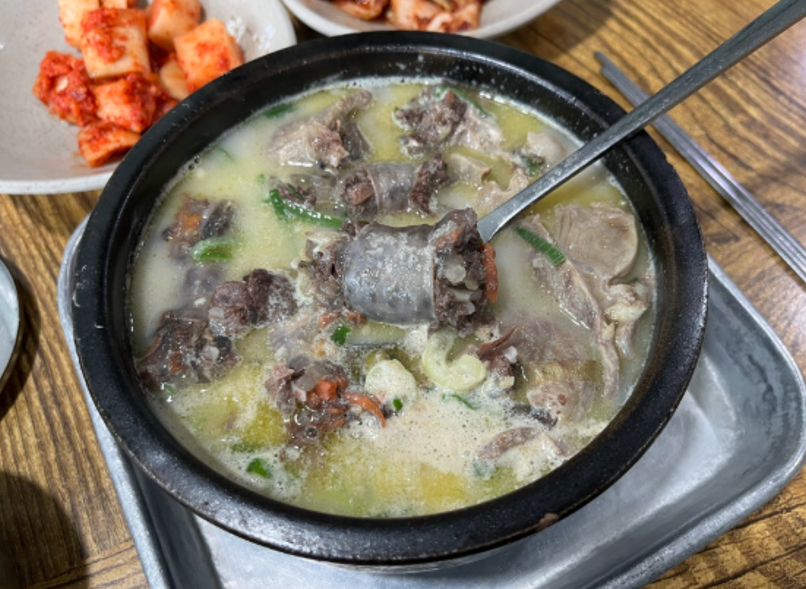
Sundaeguk (순대국), also commonly called sundaegukbap (순대국밥), is a hearty Korean soup made with sundae, pork-bone broth, and rice. Depending on the restaurant, it may also contain liver, heart, other pork intestines, or pork head meat. Chopped green onions and perilla seed powder are common toppings. Some restaurants let you choose between sundae only and a mix of sundae and pork cuts. If you have a preference, ask what comes in the bowl before ordering.
Sundae Bokkeum
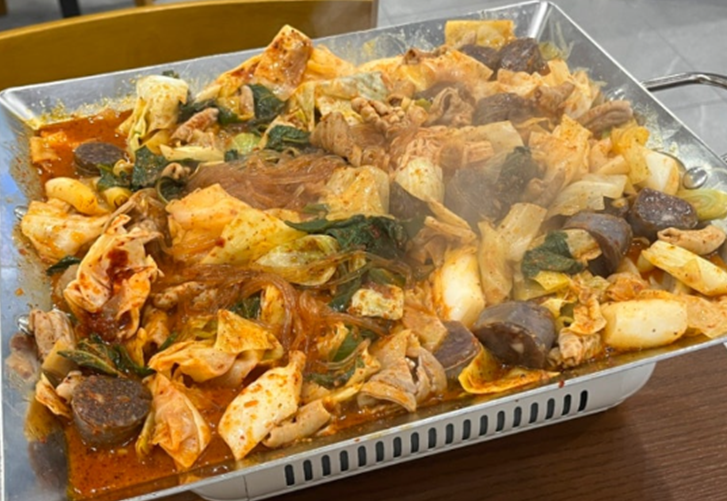
Sundae bokkeum (순대볶음) is sundae stir-fried with vegetables and seasoning. One popular version is baek sundae (백순대), which is seasoned mildly with salt and soy sauce and cooked with ingredients such as cabbage, onion, noodles, and perilla leaves. A spicy dipping sauce is served on the side, so you can add as much heat as you like. Seoul’s Sillim-dong Sundae Town is especially associated with this dish.
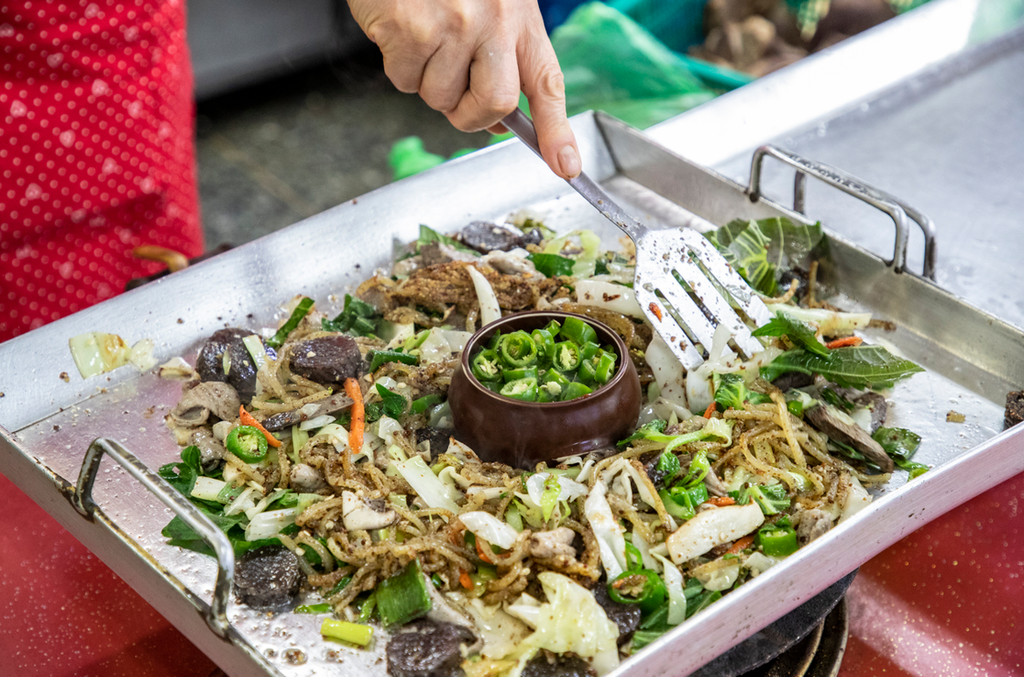
Photo: Korea Tourism Organization
Where to Buy Sundae
Street-Food Stalls and Traditional Markets
The easiest way to try Korean sundae is to buy it freshly steamed from a street-food stall or a snack counter in a traditional market. It is usually sold by the portion, sliced and served warm. Some vendors also sell it with pork liver or other pork cuts. If you prefer sundae on its own, ask what comes with the order before you buy. Market stalls may offer more than the familiar dangmyeon-filled variety. Depending on the region and vendor, you may find versions made with glass noodles, rice, vegetables, or other fillings. Selection varies, so it is worth asking what kind of sundae is available that day.
Supermarkets
Many supermarkets in Korea sell packaged sundae in the refrigerated or frozen section. These products are convenient for eating at home and usually include cooking instructions on the package. Some are sold on their own, while others come with broth or pork cuts for making sundae guk or sundae gukbap. Check whether the package is refrigerated or frozen, and follow its heating instructions. Sundae is commonly reheated in hot water or a steamer so the casing warms through without drying out.
Online Shops
Sundae is widely sold through Korean online grocery stores and marketplaces. You can find chilled or frozen packs of everyday dangmyeon sundae, as well as products labeled traditional sundae, pork sundae, or pide sundae. Some sellers also offer pork offal separately or as a mixed pack. Availability and delivery options depend on the seller and location. Outside Korea, look for sundae at Korean grocery stores or online Asian grocery shops. It is often sold frozen, and international shipping may be limited, so check the product’s storage requirements and delivery area before ordering.
Tips for First-Time Visitors
- Start with the familiar version. Glass-noodle sundae from a market stall or snack shop is an easy introduction.
- Try it with salt first. A light dip lets you taste the filling before adding stronger seasonings.
- Expect different textures. The casing is chewy, while the filling may be soft, grainy, or springy.
- Ask what comes with your order. Liver or other pork cuts may be served alongside sliced sundae or included in soup.
- Look for regional styles. Jeonju pi sundae, Cheonan’s Byeongcheon sundae, and Sokcho’s Abai sundae each offer a different taste of Korea.
Read Next
10 Korean Restaurant Tips Every First-Time Visitor Should Know –
Sundaeguk (순대국): Korea’s Hearty Pork Soup –
Tteokbokki (떡볶이): A Guide to Korea’s Spicy Rice Cakes –
Twigim (튀김): Korea’s Crispy Street-Food Favorite –
Eomuk (어묵): Korea’s Savory Ground-Fish Favorite –