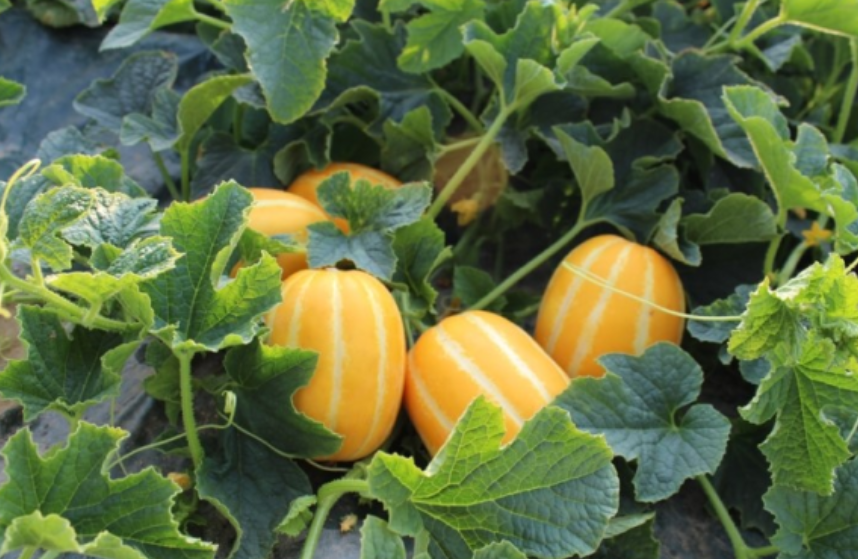
In Korea, chamoe (참외) is a familiar summer fruit. Its bright yellow skin and white stripes make it easy to recognize. Inside, the flesh is pale, juicy, and crisp, with a delicate sweetness and a refreshing aroma. In English, chamoe is usually called a Korean melon or oriental melon.
Chamoe is related to other melons, but its small oval shape and crunchy texture make it quite different from the soft, orange-fleshed cantaloupe many visitors may know.
Quick Facts About Chamoe
- Korean name: 참외 (chamoe)
- Common English names: Korean melon, oriental melon
- Appearance: Small and oval, with yellow skin and white stripes
- Taste and texture: Mildly sweet, juicy, fragrant, and crisp
- Season: Especially associated with late spring and summer
- Famous growing area: Seongju (성주), in North Gyeongsang Province
- Where to find it: Supermarkets, traditional markets, and fruit shops
What Does Chamoe Taste Like?
Chamoe has a clean, gentle sweetness rather than the rich flavor of some larger melons. Its flesh is firm and crunchy, with plenty of refreshing juice. The soft center, where the seeds are, is especially sweet.
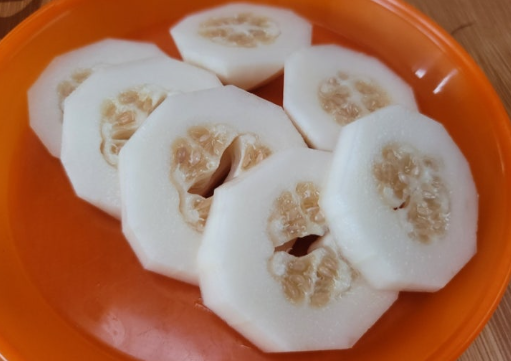
Many Koreans eat the center along with the rest of the fruit. Visitors who are used to removing melon seeds may be surprised to find that this part is often considered one of the best bites. You can eat it or scoop it out, depending on your preference.
How Is Chamoe Different from Other Melons?
The chamoe commonly sold in Korea is small and oval, with yellow skin marked by narrow white stripes. Inside, it has pale flesh and a soft, seed-filled center. Its crisp bite is one of its most distinctive features.
Chamoe belongs to the melon family and is scientifically classified as Cucumis melo var. makuwa. It is related to other melons, but the Korean variety has its own familiar appearance and texture.
When Is Chamoe in Season?
Chamoe is strongly associated with warm weather and is often enjoyed as a summer fruit alongside watermelon. In Korea, it is commonly seen from late spring into summer. Greenhouse cultivation can also make it available outside the traditional summer season.
During its main season, chamoe is easy to find in supermarkets and traditional markets. Many people buy it to keep chilled at home and share with family.
Seongju Chamoe (성주 참외)
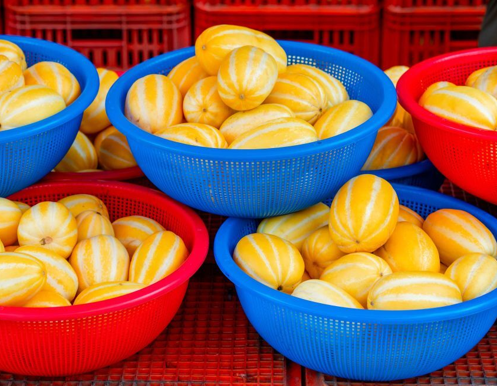
Seongju, in Gyeongsangbuk-do (경상북도), is one of Korea’s best-known areas for chamoe. The fruit is a local specialty, and Seongju Traditional Market is known for selling Seongju chamoe alongside other local produce.
Chamoe is an important part of Seongju’s local identity. If you visit the area during the season, you may see the bright yellow melons prominently displayed at markets.
How to Prepare and Eat Chamoe
Chamoe is simple to prepare:
- Rinse it well under running water.
- Peel the skin if you prefer; many people eat it peeled.
- Cut it in half lengthwise.
- Slice it into bite-sized pieces.
You can eat the soft center and seeds or scoop them out with a spoon. Serve the slices chilled for a crisp, refreshing snack.
A Familiar Korean Summer Fruit
For many Koreans, chamoe’s yellow skin and white stripes are a familiar sign of the warmer season. Chilled chamoe makes an easy snack to share after a meal or enjoy in the afternoon. If you see one at a Korean market, try it cold—and taste the sweet center before deciding whether you want to remove the seeds.
Read Next
Korean Fruits by Season: A Guide to Fruit in Korea –