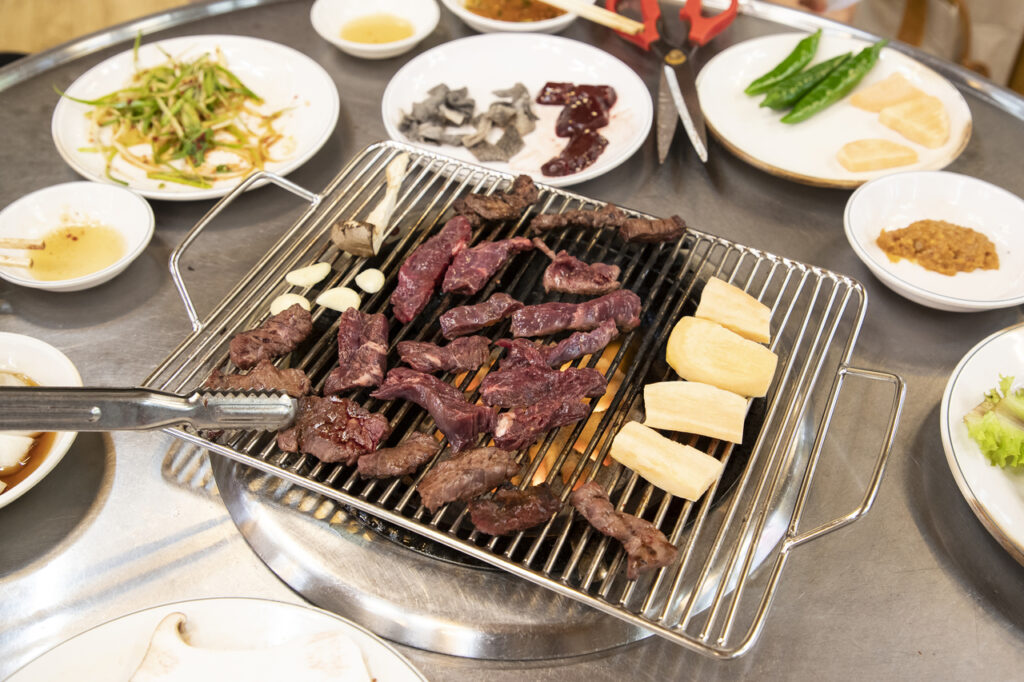

Galbi (갈비) means “ribs” in Korean. At a Korean barbecue restaurant, it usually refers to beef or pork ribs grilled at the table. Galbi may be served unmarinated, so you can taste the meat itself, or marinated in a sweet and savory sauce.
Samgyeopsal (pork belly) is a familiar everyday barbecue choice. Galbi often feels a little more special, especially beef galbi, which can be one of the more expensive items on the menu. Families may order it for birthdays, holidays, and meals with guests. The meal is still relaxed: people grill the meat together, wrap it in lettuce, and use kitchen scissors to cut it into bite-sized pieces.
If you are trying Korean barbecue for the first time, marinated galbi is an easy place to start. Here is what to look for on the menu and what to expect at the restaurant.
Types of Galbi
The menu usually tells you two things: whether the meat is beef or pork, and whether it is marinated.
So-galbi (소갈비): Beef ribs
So-galbi means beef ribs. Menus may identify the beef’s origin. Hanwoo (한우) is Korean native beef and often costs more than imported beef, so check the price before ordering.
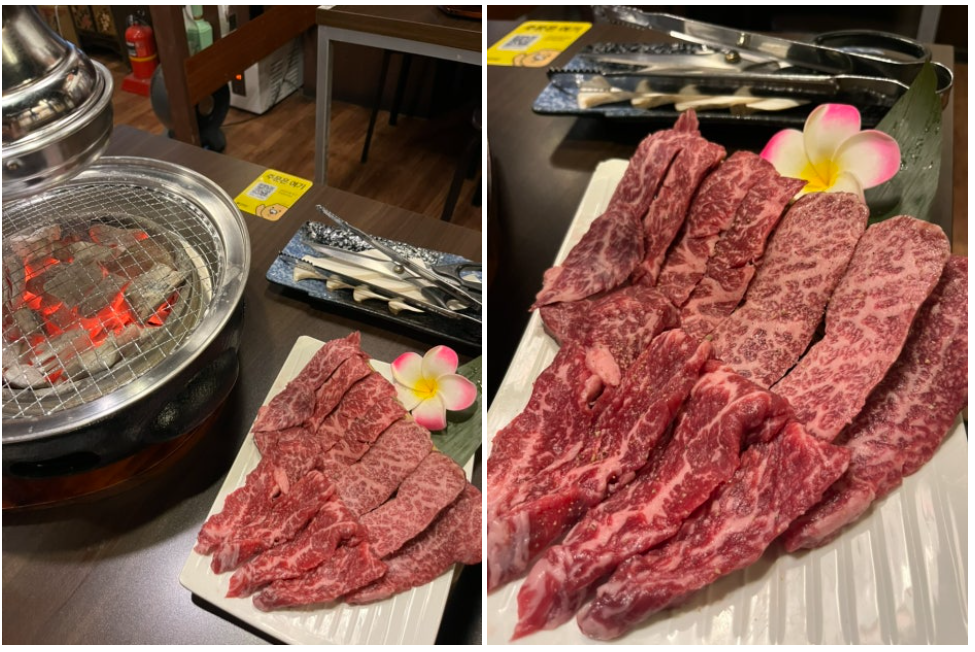
Dwaeji-galbi (돼지갈비): Pork ribs
Dwaeji-galbi is pork galbi and is usually marinated. It is a popular, more affordable choice for casual dinners and family meals. The sauce is often sweet and savory. Some restaurants use meat from around the ribs as well as rib meat. If the exact cut matters to you, check the menu or ask the staff.
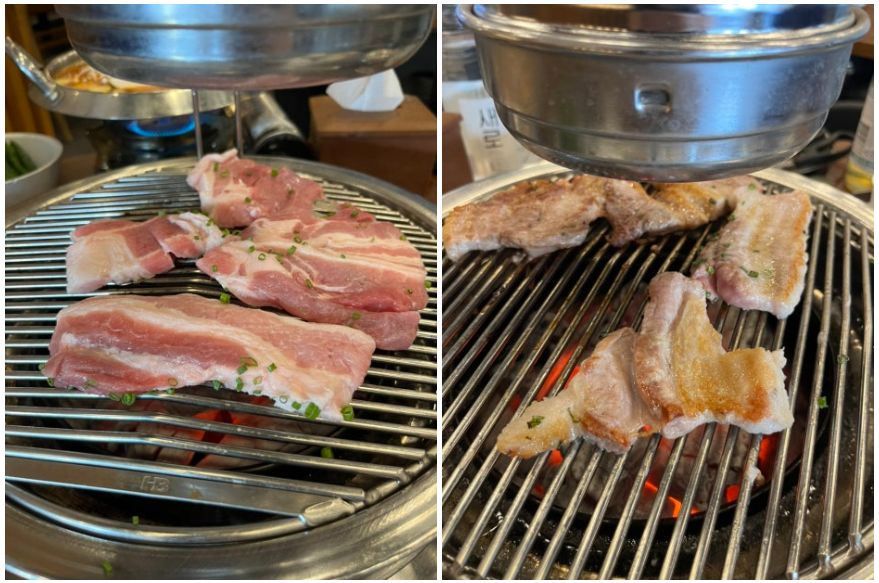
Saeng-galbi (생갈비): Unmarinated ribs
Saeng means “fresh.” On a barbecue menu, saeng-galbi means ribs served without marinade, so you can taste the meat itself. It is most often beef.
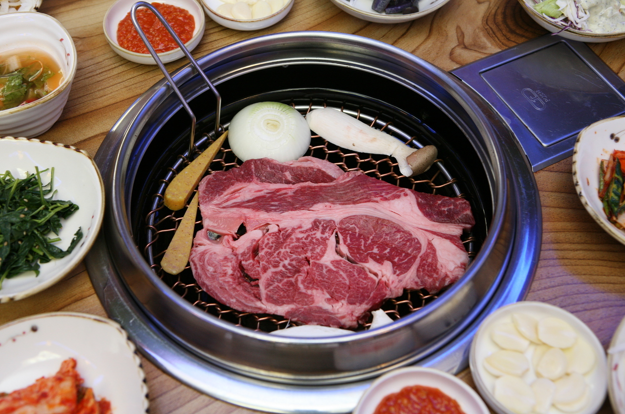
Photo: Korea Tourism Organization
Yangnyeom-galbi (양념갈비): Marinated ribs
Yangnyeom means seasoning. Yangnyeom-galbi is marinated in a sauce commonly made with soy sauce, sugar, garlic, sesame oil, and other seasonings. Some recipes use Korean pear or other fruit for sweetness and tenderness. This is the sweet and savory style many visitors picture when they think of Korean barbecue.
Galbisal (갈비살): Boneless rib meat
Galbisal is boneless rib meat, served in pieces that are easier to grill and eat than bone-in ribs. You may find both beef and pork galbisal on menus, and it is often a little less expensive than bone-in galbi.
LA galbi (LA 갈비): Thin, cross-cut beef ribs
LA galbi is beef short ribs cut across the bones, leaving several small bone sections in each strip. It is usually marinated and is commonly served at home and holiday meals, as well as at some restaurants.
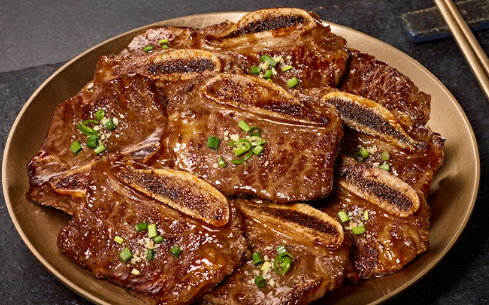
For a first visit, yangnyeom-galbi is a good starting point. Pork galbi is usually the budget-friendly option; beef galbi can make a special meal.
Galbi and Samgyeopsal
If you have tried samgyeopsal, the restaurant setup will feel familiar: meat is grilled at the table and eaten with side dishes and wraps. The main differences are the cut and seasoning.
Samgyeopsal is usually fresh pork belly with little or no seasoning. Galbi is often marinated before it reaches the table, so it already has a sweet and savory flavor. Many galbi cuts include bone, and the meat is commonly cut with scissors as it cooks. Beef galbi can also cost more, so check the listed price and serving size before ordering.
Your First Galbi Restaurant Visit
A galbi restaurant is called a galbijip (갈빗집). Many use a tabletop grill, and staff may help cook the meat, especially at restaurants serving beef galbi.
1. Check the menu and order
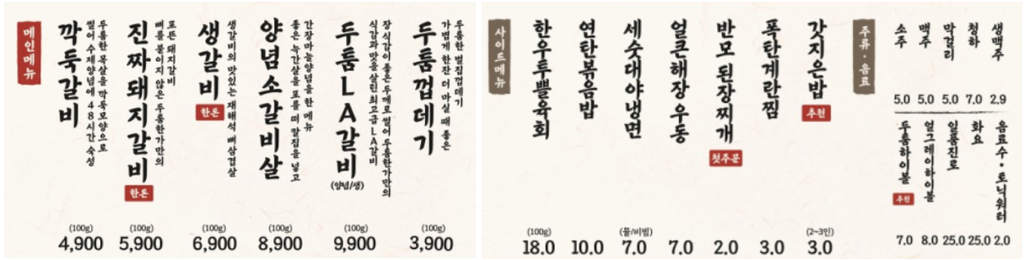
Galbi is usually ordered by the serving, and some restaurants require a minimum order. Menus may list the beef’s origin and the weight per serving. Bone-in meat includes the bone in that weight.
You can say:
- “So-galbi juseyo.” (소갈비 주세요.) — Beef ribs, please.
- “Dwaeji-galbi i-inbun juseyo.” (돼지갈비 2인분 주세요.) — Two servings of pork galbi, please.
2. Enjoy the banchan
Banchan (반찬), or side dishes, often arrive with the meat. Common choices include kimchi, lettuce (sangchu, 상추), perilla leaves (kkaennip, 깻잎), seasoned green onion (pajeori, 파절이), ssamjang (쌈장), garlic, and green chili peppers. Some restaurants also serve radish dishes or stew. The selection varies by restaurant.
3. Ask for help with the grill
At some restaurants, staff grill and cut the meat for you. At others, diners cook it themselves. If you are unsure, you can ask:
- “Guwo juseyo.” (구워 주세요.) — Please grill it for us.
4. Eat it as it cooks
When a piece is cooked, eat it on its own, dip it lightly in sauce, or wrap it in lettuce or perilla leaves. With marinated galbi, try a bite before adding ssamjang; the meat may already be well seasoned.
5. Add noodles or rice
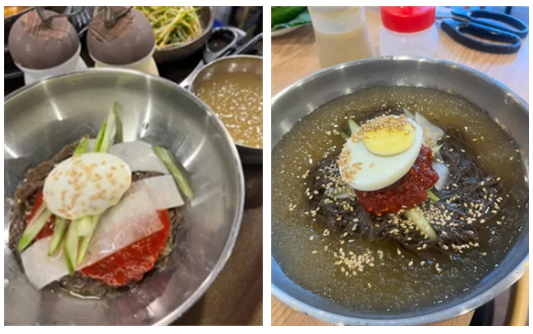
Naengmyeon (냉면), or cold noodles, is a popular pairing. Mul-naengmyeon (물냉면) comes in a cold, tangy broth; bibim-naengmyeon (비빔냉면) is mixed with a spicy, sweet-and-sour sauce. Some diners wrap a piece of galbi around a bite of noodles. Rice and stew are also common additions.
Meat, noodles, rice, stews, and drinks may be charged separately. A lunch set called galbi jeongsik (갈비정식) can include a portion of galbi, rice, soup, and side dishes for a set price.
Grilling and Eating Galbi
Marinated galbi needs close attention because the sugar in the sauce can burn. Use moderate heat when possible, turn the meat regularly, and ask for a clean grill plate if the surface gets black with burnt marinade.
You can say:
- “Bulpan jom gara juseyo.” (불판 좀 갈아 주세요.) — Could you change the grill plate, please?
Bone-in galbi is usually cut into bite-sized pieces with kitchen scissors. The meat near the bone can be especially flavorful. Picking up the bone to eat the last bits of meat is common at galbi restaurants and is not considered rude. Some restaurants provide plastic gloves, or you can ask for extra napkins.
Pork should be cooked through. Beef is often served less well done, depending on the cut and the restaurant’s guidance. If staff are grilling, they can tell you when it is ready.
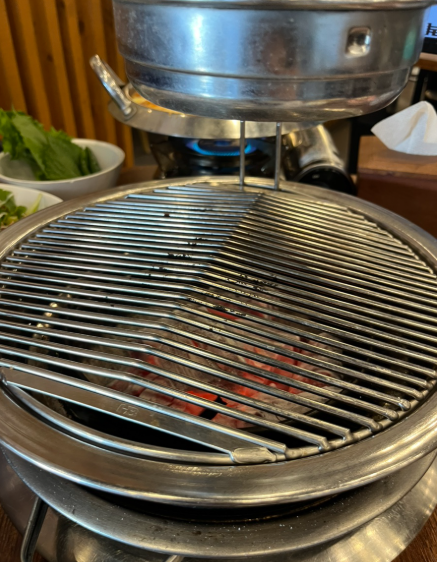
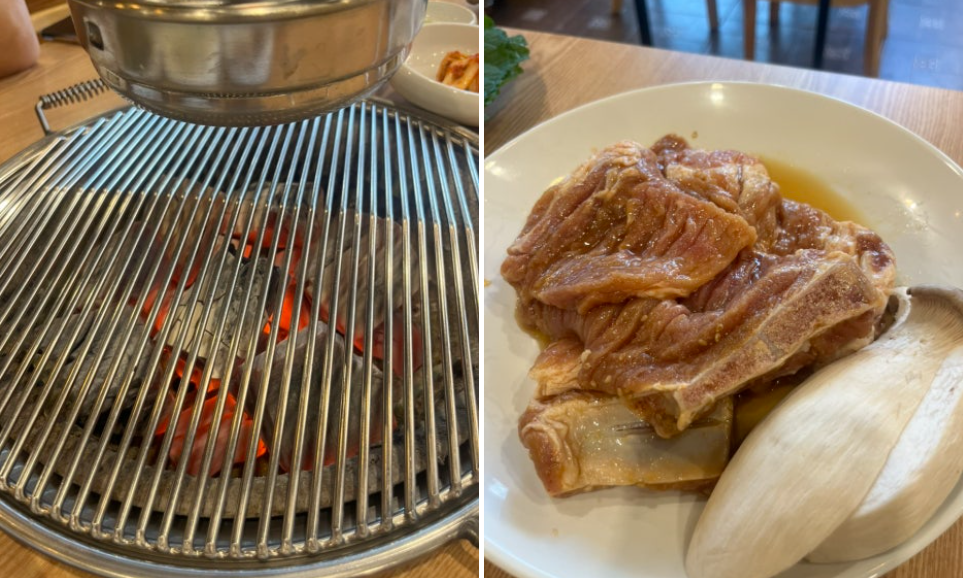
A bulpan (불판), a metal grill used for Korean BBQ, with glowing charcoal beneath the cooking surface. The grill allows diners to cook meat at the table, and the grill plate can be changed when it becomes too dirty or burnt.
Sauces, Wraps, and Side Dishes
Yangnyeom-galbi is already seasoned, so you may not need much sauce. Saeng-galbi is often served with salt and sesame oil or a light dipping sauce, which brings out the flavor of the meat. Some beef restaurants offer wasabi with soy sauce.
To make a ssam (쌈), place a piece of galbi on a lettuce or perilla leaf. Add a little pajeori, garlic, or green chili pepper, then a small amount of ssamjang if you like. Fold the leaf into a bite-sized wrap. Perilla leaves have an herbal flavor that pairs especially well with sweet marinades.
Kimchi and radish side dishes add sour, spicy, and refreshing flavors that balance rich meat. Try a few combinations to find your favorite: galbi with pajeori, galbi with kimchi, a wrap with garlic, or a bite of galbi with rice.
Other Dishes Made with Galbi
The same cut can become barbecue, a celebratory braise, or a comforting soup.
Galbitang (갈비탕): Beef short rib soup
Galbitang is a clear, gently seasoned soup made by simmering beef ribs until the broth is flavorful and the meat is tender. It often includes radish, green onion, and garlic; some versions add glass noodles or an egg garnish. Diners can season it to taste with salt, pepper, or extra green onion. It is usually served with rice and kimchi. Mild and filling, it is a popular comfort meal, especially in colder weather.
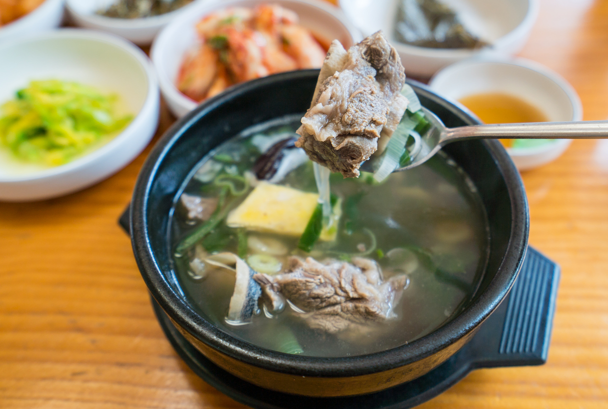
Photo: Korea Tourism Organization
Galbijjim (갈비찜): Braised short ribs
Galbijjim is short ribs braised with soy sauce, garlic, and vegetables such as radish and carrot. It is often served for holidays and family gatherings.
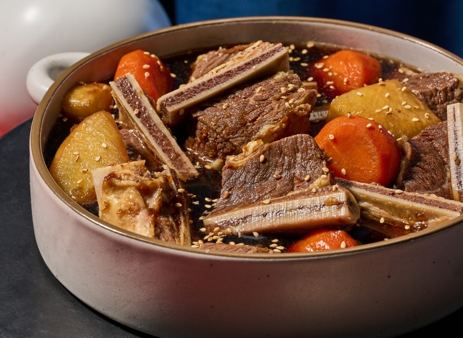
Photo: Korea Tourism Organization
Tteokgalbi (떡갈비): Chopped and grilled rib patties
Tteokgalbi is made by finely chopping or mincing rib meat, seasoning it, shaping it into patties, and grilling it. Despite the word tteok (떡), meaning rice cake, the dish is generally made from meat. The name is often explained by the way the meat is worked and shaped to make a tender patty, though accounts of its origins vary. Tteokgalbi is tender and savory, often with a sweet marinade flavor. Its texture and shape make it easier to eat than bone-in ribs: instead of cutting meat from the bone, you eat a carefully shaped patty. Damyang and Gwangju are known for this regional specialty. Korea Tourism Organization: Tteokgalbi
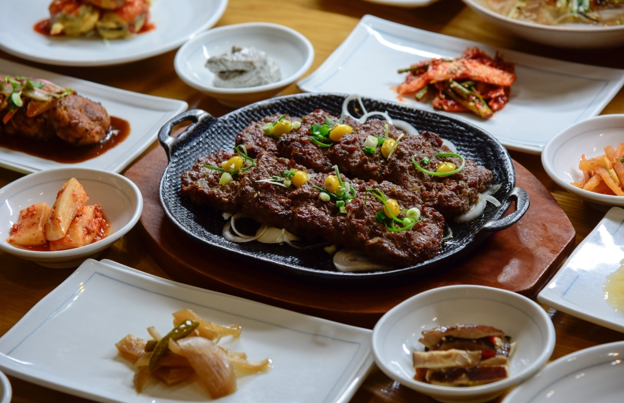
Photo: Korea Tourism Organization
Regional Galbi to Know
Suwon Wanggalbi (수원 왕갈비)
Suwon, south of Seoul, is famous for wanggalbi, or “king-size” galbi. The Korea Tourism Organization traces the style to Hwachunok(화춘옥), a restaurant established near the Suwon Cattle Market in 1945. The restaurant added grilled beef galbi to its menu in 1956. Suwon wanggalbi is known for its large ribs and a salt-based marinade rather than the soy-based marinade common at many galbi restaurants.
Wanggalbi: A Longtime Korean Favorite- VISITKOREA
Pocheon Idong Galbi (포천 이동갈비)
Idong galbi is associated with Idong-myeon in Pocheon, north of Seoul, an area with many military units. According to Gyeonggi Province, it began in the 1960s as affordable grilled ribs sold to soldiers and became popular nationwide in the 1980s as domestic travel grew. It is known for generous portions and ribs marinated in soy sauce. Idong Galbi Village is a well-known place to try the local style.
Three Historic Galbi (Beef Rib) Regions of Gyeonggi-do
Read Next
10 Korean Restaurant Tips Every First-Time Visitor Should Know –
Samgyeopsal (삼겹살): A Complete Guide to Korean BBQ Pork Belly
Bulgogi (불고기): Korea’s Beloved BBQ –