
South Korea may look small on the map, but it is full of regional variety.
Many first-time visitors imagine Korea through Seoul, K-pop, street food, palaces, cafes, and high-speed trains. These are important parts of modern Korea, but they are only the beginning. To understand Korea more deeply, it helps to look at the country by region.
Each part of Korea has its own character. Some regions are known for mountains, some for islands, some for royal history, some for food, some for industry, some for art, and some for quiet rural life. Even the atmosphere of daily life can feel different from one area to another.
A market in Busan does not feel the same as a market in Jeonju. A coastal village in Gangwon is different from a fishing town in Jeonnam. A historic street in Gyeongju tells a different story from a modern district in Seoul. Korea is not one single image. It is a collection of local stories.
This guide introduces Korea through its major administrative regions: special cities, metropolitan cities, provinces, and special self-governing regions. You do not need to memorize the names. Instead, think of this as a map of Korea’s many personalities.
How to Understand Korean Regions
South Korea is divided into several types of major regions.
There is Seoul, the capital and only Special City. There are five Metropolitan Cities: Busan, Daegu, Incheon, Daejeon, and Ulsan. There is Sejong, a Special Self-Governing City created as an administrative city. There are also provinces and special self-governing provinces, including places such as Gyeonggi-do, Gangwon State, Jeonbuk State, Gyeongsangbuk-do, Gyeongsangnam-do, and Jeju Special Self-Governing Province. Also, Korea made a new province named Jeonnam-Gwangju Special Metropolitan City. It is annexing of Jeollanam-do and Gwangju Metropolitan City.
For travelers and culture lovers, the administrative names are useful because they help organize the country. But the real meaning of each region is found in its landscape, food, history, local pride, and daily life.
Let’s travel through Korea region by region.
Seoul Special City (서울특별시)
Seoul: The Capital of Past, Present, and Future
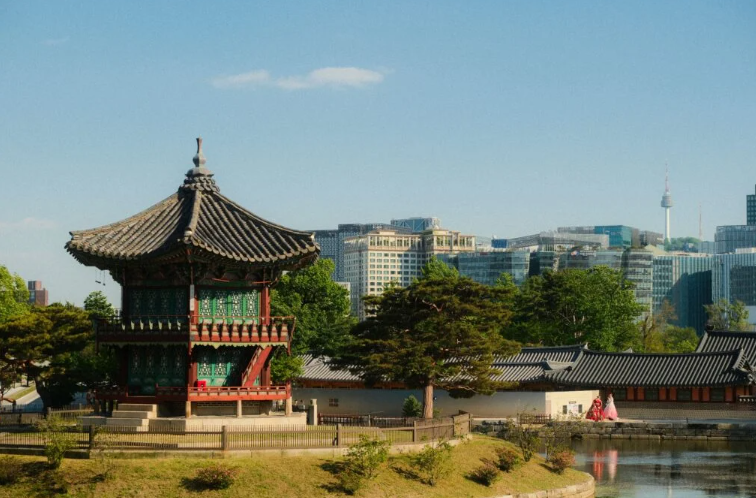
Seoul is the capital of South Korea and the place where many visitors begin their journey. It is a city of contrasts: royal palaces and skyscrapers, old markets and luxury malls, quiet temples and crowded subway stations, traditional houses and digital screens.
For many Koreans, Seoul represents opportunity, speed, education, business, media, and culture. It is the center of government, finance, entertainment, fashion, universities, and transportation. But Seoul is not only a modern city. It is also a historic capital with deep roots.
Places like Gyeongbokgung Palace (경복궁), Changdeokgung Palace (창덕궁), Bukchon Hanok Village (북촌한옥마을), Jongno (종로), and Insadong (인사동) show older layers of Korean history. Meanwhile, neighborhoods like Hongdae (홍대), Seongsu (성수), Gangnam (강남), Itaewon (이태원), Yeonnam-dong (연남동), and Euljiro (을지로) show how young Koreans create new styles of urban life.
Seoul is also a city of everyday routines. Office workers drink iced Americano on the way to work. Students study in cafes late into the night. Families walk along the Han River. Elderly residents gather in parks. Friends meet for barbecue, fried chicken, or convenience store snacks.
If you want to understand modern Korean life, Seoul is a powerful starting point. But it should not be the only place you see.
Seoul, District by District: What Makes All 25 Gu Different – Kimbap Life
Busan Metropolitan City (부산광역시)
Busan: Korea’s Port City of Sea, Food, and Energy
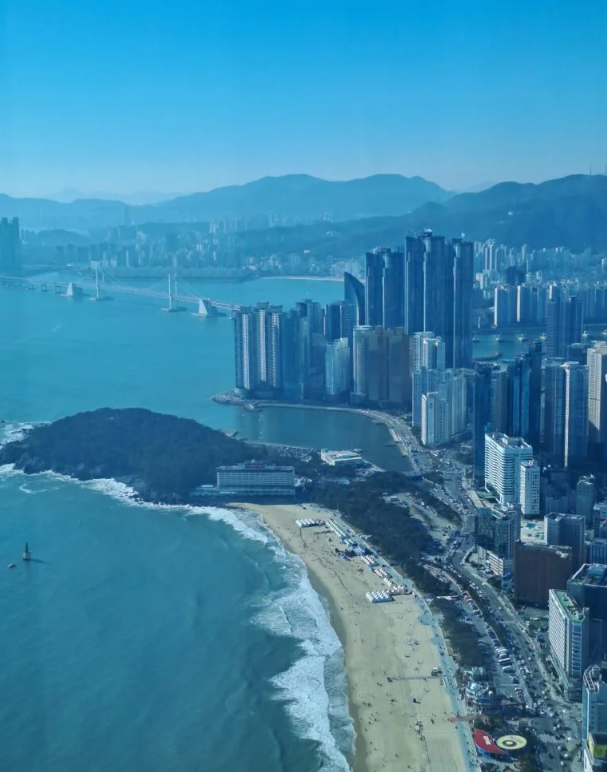
Busan is Korea’s second-largest city and its most famous port city. If Seoul feels fast, vertical, and central, Busan feels open, coastal, and full of movement.
The city is closely connected to the sea. Beaches, seafood markets, ports, bridges, fishing neighborhoods, and hillside villages shape the feeling of Busan. The ocean is not just scenery here. It is part of the city’s identity.
Busan is famous for Haeundae Beach (해운대해수욕장), Gwangalli Beach (광안리해수욕장), Jagalchi Fish Market (자갈치시장), Gamcheon Culture Village (감천문화마을), Taejongdae (태종대), Songdo (송도), and BIFF Square. It is also known for its strong local food culture, including dishes such as dwaeji-gukbap, milmyeon, eomuk, and fresh seafood.
The mood of Busan is different from Seoul. The local accent is stronger. The streets can feel more direct and lively. The sea breeze, markets, and port history give Busan a strong personality.
Busan is a great region to introduce when writing about Korea beyond the capital. It shows another version of urban Korea: less centered on government and business, more connected to the sea, trade, film, food, and local pride.
Incheon Metropolitan City (인천광역시)
Incheon: Korea’s Gateway to the World
Incheon is often the first Korean city international visitors experience because of Incheon International Airport (인천국제공항). But Incheon is more than an airport city. It is a port city with a long history of international exchange.
Incheon has played an important role in Korea’s modern history. Its port connected Korea with foreign trade, migration, and new cultural influences. Areas such as Incheon Chinatown (인천 차이나타운), Open Port Area (개항장), and Wolmido (월미도) show the city’s layered past.
Incheon also includes islands, coastal areas, new international districts, and residential cities. Songdo International Business District (송도국제도시) gives a futuristic image, while older neighborhoods near the port feel historic and local.
Incheon is especially interesting because it combines many identities: gateway city, port city, airport city, island city, and modern planned city. It is a good place to write about Korea’s contact with the outside world.
Daegu Metropolitan City (대구광역시)
Daegu: Heat, Tradition, Textiles, and Local Flavor
Daegu is an inland city in southeastern Korea. It is often known for hot summers, strong local character, textile history, herbal medicine traditions, and distinctive food.
Because Daegu sits in a basin, summers can feel especially hot. This climate has become part of the city’s image. But Daegu is not only about heat. It has a long commercial history and was once a major center for textiles and fashion-related industries.
One of Daegu’s most interesting areas is Yangnyeongsi (약령시), the traditional herbal medicine market. This shows a different side of Korean culture: medicine, herbs, old trade routes, and local knowledge passed down through generations.
Daegu also has beautiful natural areas nearby, including Palgongsan Mountain (팔공산) and Apsan Park (앞산공원). The city center has shopping streets, old alleys, food spots, and local markets.
Daegu is a good region for showing that Korean cities are not all the same. It has a more inland feeling than Busan, a different energy from Seoul, and a strong sense of local food and tradition.
Daejeon Metropolitan City (대전광역시)
Daejeon: Science, Trains, and the Center of Korea
Daejeon is located near the center of South Korea, making it an important transportation and research hub. Many travelers pass through Daejeon by train, but the city deserves more attention than it often receives.
Daejeon is strongly associated with science and technology. The city has research institutes, universities, and science-related districts. This gives it a different identity from Seoul’s finance and media world or Busan’s port culture.
Daejeon is also known for Yuseong Hot Springs (유성온천), Expo Science Park (엑스포과학공원), Daecheong Lake (대청호), and local bakery culture – Sunusimdang (성심당). For many Koreans, Daejeon feels practical, calm, and well-connected.
Because of its location, Daejeon can also serve as a base for exploring central Korea. It is less overwhelming than Seoul but still urban and convenient.
Ulsan Metropolitan City (울산광역시)
Ulsan: Industry, Coast, and Unexpected Nature
Ulsan is one of Korea’s major industrial cities. It is known for automobiles, shipbuilding, petrochemicals, and large-scale manufacturing. For many people, Ulsan represents Korea’s modern industrial growth.
But Ulsan is not only factories and industry. The city also has rivers, coastal scenery, parks, and historic sites. Taehwagang National Garden (태화강 국가정원), Daewangam Park (대왕암공원), and coastal areas show a softer and more natural side of the city.
Ulsan also has a connection to whale culture through Jangsaengpo (장생포), a former whaling port area that has become a place to learn about maritime history. The city’s location between mountains and sea gives it more variety than many first-time visitors expect.
Ulsan is useful for explaining Korea’s economic development. It shows how industry, labor, ports, and urban growth shaped modern Korean life.
Sejong Special Self-Governing City (세종특별자치시)
Sejong: Korea’s Planned Administrative City
Sejong is one of Korea’s newest and most unusual cities. It was developed as a planned administrative city to help decentralize government functions away from Seoul.
Unlike older Korean cities that grew around markets, ports, palaces, or mountains, Sejong feels planned and spacious. It has wide roads, government complexes, apartment districts, parks, and modern public spaces.
Sejong is interesting because it shows a future-oriented side of Korea: urban planning, administrative reform, family-friendly residential areas, and attempts to create a more balanced national structure.
For visitors, Sejong may not feel as tourist-focused as Seoul, Busan, or Jeju. But for understanding modern Korean society, it is meaningful. It represents Korea’s effort to rethink how a country should organize government, population, and regional development.
Gyeonggi-do (경기도)
Gyeonggi-do: The Region Around Seoul
Gyeonggi-do surrounds Seoul and is Korea’s most populous province. It is closely connected to the capital, but it has its own identity.
Many people who work in Seoul live in Gyeonggi-do. Cities such as Suwon (수원), Seongnam (성남), Goyang (고양), Yongin (용인), Bucheon (부천), Anyang (안양), and Paju (파주) are part of the larger Seoul metropolitan area. This makes Gyeonggi-do important for understanding modern Korean commuting, apartment life, suburban development, and family living.
But Gyeonggi-do is not only suburbs. It has historic places, fortress walls, art villages, nature areas, and border-region history. Suwon Hwaseong Fortress(수원 화성) is one of the most important historical sites in the province. Paju and areas near the DMZ show the reality of Korea’s division. Icheon (이천) and Yeoju (여주) are connected to ceramics and traditional crafts.
Gyeonggi-do is a region of transition. It connects Seoul to the rest of Korea. It is urban and rural, historic and modern, crowded and quiet.
Gangwon State (강원특별자치도)
Gangwon: Mountains, Sea, Snow, and Slow Travel
Gangwon is one of Korea’s most naturally beautiful regions. It is famous for mountains, beaches, forests, winter sports, and coastal towns.
The region is often divided in feeling between inland mountain areas and the east coast. On one side, there are mountains, ski resorts, valleys, and quiet rural landscapes. On the other side, there are seaside cities such as Gangneung (강릉), Sokcho (속초), and Donghae (동해).
Gangwon is strongly associated with nature. Seoraksan National Park (설악산 국립공원) is one of Korea’s most famous mountain areas. Pyeongchang (평창) became internationally known through the Winter Olympics (2018 평창 올림픽). Gangneung is known for beaches, coffee culture, and cultural heritage. Sokcho is loved for seafood, mountain access, and coastal travel.
Gangwon is a good region for slow travel. It is where Koreans go to see the sea, hike mountains, eat seafood, enjoy snow, and escape the density of Seoul.
Chungcheongbuk-do (충청북도)
Chungcheongbuk-do: Lakes, Mountains, and Inland Korea
Chungcheongbuk-do, often called Chungbuk, is Korea’s only landlocked province. Because it has no coastline, its identity is shaped more by mountains, rivers, lakes, inland cities, and quiet travel.
The provincial capital, Cheongju (청주), is known for history, education, and printing heritage. Other areas such as Danyang (단양), Jecheon (제천), and Chungju (충주) are known for natural scenery, lakes, limestone landscapes, and outdoor travel.
Chungbuk has a calmer image than Korea’s large coastal or metropolitan regions. It is a good place to introduce inland Korea, where life moves at a slower pace and travel often centers on mountains, temples, lakes, and small cities.
This region is also useful for showing Korea beyond famous international tourism routes. It may not be the first place most visitors know, but it reveals a quieter and more local side of the country.
Chungcheongnam-do (충청남도)
Chungcheongnam-do: West Coast, Baekje History, and Gentle Travel
Chungcheongnam-do, often called Chungnam, lies along Korea’s west coast. It has a softer and more relaxed image compared with Seoul or Busan.
Chungnam is deeply connected to Baekje (백제) history, especially through places such as Gongju (공주) and Buyeo (부여). Baekje was one of Korea’s ancient kingdoms, and its cultural remains give the region historical importance.
The region also has west coast landscapes, mudflats, ports, temples, hot springs, and agricultural areas. Taean (태안) is known for coastal scenery, while Asan (아산) is associated with hot springs. Cheonan (천안) is an important transport and education city.
Chungnam can be a good introduction to Korea’s western side: softer coastlines, ancient kingdom history, rural roads, and regional foods.
Jeonbuk State (전북특별자치도)
Jeonbuk: Hanok, Food, Pansori, and Deep Tradition
Jeonbuk State is one of Korea’s most culturally rich regions. It is especially known for Jeonju (전주), one of the country’s most beloved traditional cities.
Jeonju is famous for hanok houses (한옥마을), bibimbap (비빔밥), traditional crafts, and a slower cultural atmosphere. Many visitors go to Jeonju Hanok Village to see traditional architecture and enjoy local food. But Jeonbuk is more than Jeonju.
The region also includes Gunsan (군산), known for modern history and old streets; Iksan (익산), associated with ancient Baekje heritage; Namwon (남원), connected to the famous Korean love story Chunhyang (춘향전); and mountain areas such as Jirisan (지리산) and Maisan (마이산).
Jeonbuk is a region where food, music, stories, and tradition feel very close to daily life. It is also connected to pansori (판소리), Korea’s traditional narrative singing. This makes it an excellent region for Kimbap Life because it combines history, taste, sound, architecture, and local identity.
Gyeongsangbuk-do (경상북도)
Gyeongsangbuk-do: Ancient Kingdoms, Confucian Villages, and Spiritual Heritage
Gyeongsangbuk-do, often called Gyeongbuk, is one of Korea’s most historically important regions. It is home to Gyeongju (경주), the ancient capital of the Silla Kingdom.
Gyeongju is often described as a museum without walls because of its tombs, temples, palace sites, and archaeological remains. Places like Bulguksa Temple (불국사), Seokguram Grotto (석굴암), Daereungwon (대릉원), and Donggung Palace and Wolji Pond (동궁과 월지) help visitors feel Korea’s ancient history.
Gyeongbuk is also strongly connected to Confucian culture. Andong Hahoe Village (안동 하회마을) is one of the most famous traditional villages in Korea and is associated with old houses, rituals, masks, and Confucian heritage.
The province also includes mountains, temples, rural areas, and the islands of Ulleungdo (울릉도) and Dokdo (독도). It has a more conservative and traditional image in many Koreans’ minds, but it is also diverse and historically rich.
Gyeongbuk is known for Gyeongju, Silla history, Andong, Confucian villages, temples, traditional masks, mountains, and Ulleungdo.
Gyeongsangnam-do (경상남도)
Gyeongsangnam-do: Southern Coast, Islands, Industry, and Historic Cities
Gyeongsangnam-do, often called Gyeongnam, is located along Korea’s southern coast. It has a mix of coastal beauty, industrial cities, historic towns, islands, and agricultural areas.
Cities such as Changwon (창원), Jinju (진주), Tongyeong (통영), Geoje (거제), Gimhae (김해), and Namhae (남해) show different sides of the province. Changwon is a planned industrial city. Jinju is known for its fortress and lantern festival. Tongyeong is loved for sea views, islands, and artistic atmosphere. Geoje is connected to shipbuilding and coastal scenery. Gimhae has links to the ancient Gaya confederacy.
Gyeongnam is a region where the sea is always important. Island trips, seafood, ferry routes, fishing villages, shipyards, and coastal roads are part of its identity.
This region is useful for showing Korea’s southern lifestyle. It is connected to work, sea, history, travel, and regional food.
Jeju Special Self-Governing Province (제주특별자치도)
Jeju: Volcanic Island, Haenyeo Culture, and a Different Rhythm
Jeju is Korea’s most famous island destination, but it is much more than a vacation spot. It has its own landscape, dialect, food, history, and island identity.
Jeju was shaped by volcanic activity. Hallasan Mountain (한라산), oreum volcanic cones (오름), lava tubes, black stone walls, cliffs, beaches, and fields create a landscape unlike mainland Korea. The island’s natural environment strongly influences local life.
Jeju is also known for haenyeo (해녀), the women divers who harvest seafood from the sea. Their culture represents strength, community, labor, and the relationship between people and nature.
Food on Jeju is also distinct. Black pork (흑돼지), seafood, tangerines, barley, abalone, and local soups are part of the island’s culinary identity. Jeju’s villages, stone houses, wind, and open landscapes create a slower and more spacious feeling than Korea’s major cities.
Jeju is often presented as a beautiful travel destination, but it also has a complex history. To understand Jeju well, visitors should look beyond beaches and cafes and learn about its people, memory, and local culture.
Jeonnam-Gwangju Special Metropolitan City (전남광주통합특별시)
Jeonnam-Gwangju: Democracy, Islands, Food, Art, and the Southern Spirit
Jeonnam-Gwangju Special Metropolitan City is one of the most meaningful regions to understand if you want to see Korea beyond Seoul. It brings together two powerful identities: the civic, artistic, and democratic spirit of Gwangju (광주), and the coastal, agricultural, island-filled, food-rich character of Jeonnam (전남).
This region is not easy to describe in one image. It includes a major cultural city, quiet farming villages, southern ports, hundreds of islands, green tea fields, bamboo forests, wetlands, mountains, temples, art districts, historic memories, and some of the most beloved food traditions in Korea.
Gwangju has long been known as a city of democracy, art, and civic pride. For many Koreans, it carries deep historical meaning because of the May 18 Democratic Uprising (5.18 민주화운동). The city’s identity is connected to courage, memory, human rights, and political consciousness. At the same time, Gwangju is also a creative city, with strong traditions in art, music, education, and local culture.
Jeonnam, on the other hand, gives the region its wide southern landscape. It is a land of islands, seafood, rice fields, tea plantations, bamboo groves, tidal flats, coastal roads, and generous meals. Places such as Yeosu (여수), Mokpo (목포), Suncheon (순천), Boseong (보성), Damyang (담양), Haenam (해남), Wando (완도), and many smaller towns show the slower and more nature-connected side of Korea.
Together, Jeonnam-Gwangju feels like a region of depth. It is urban and rural, historical and natural, emotional and generous. It is a place where Korea’s modern democratic history meets older traditions of food, agriculture, fishing, craft, and village life.
Food is one of the strongest ways to understand this region. The Jeolla area has long been famous in Korea for abundant meals, many side dishes, deep flavors, fermented ingredients, seafood, seasonal vegetables, and warm hospitality. A table in this region often feels rich, colorful, and generous. Food here is not only about taste; it is about care, memory, family, and local pride.
Nature is another essential part of Jeonnam-Gwangju. Suncheon Bay (순천만) shows Korea’s wetlands and reed fields. Boseong is known for green tea plantations. Damyang is famous for bamboo forests. Yeosu and Mokpo connect the region to the sea. Wando, Jindo, and many islands show a maritime culture that feels very different from the fast rhythm of Seoul.
This region is also important for Korea’s future. The new integrated city is described in law as combining the spirit of Gwangju with balanced development through future industries such as artificial intelligence, energy, and semiconductors. That makes Jeonnam-Gwangju not only a place of history and tradition, but also a region trying to build a new model of local growth outside the Seoul-centered system.
For visitors, Jeonnam-Gwangju is one of the best regions for slow travel. It is a place to eat carefully, walk slowly, listen to local stories, visit markets, learn about democratic history, explore islands, and see how deeply landscape and culture can be connected..