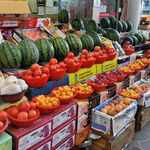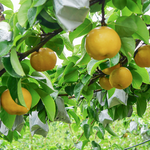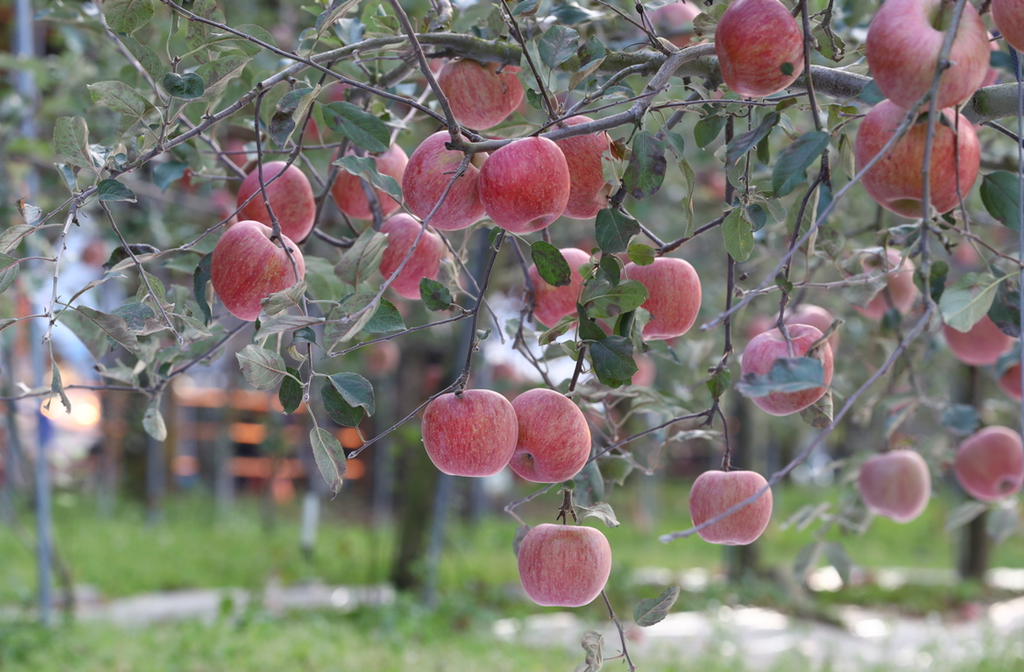

The apple, sagwa (사과), is one of Korea’s representative fruits, along with pears and persimmons. Korean apples are known for their crisp texture, juicy flesh, and balance of sweetness and tartness. They are enjoyed fresh, given as holiday gifts, and made into products such as apple juice and jam. Apples are available in Korea for much of the year, but autumn is the main harvest season. Different varieties ripen at different times, so shoppers can find early apples for Chuseok and later varieties that store well.
Quick Facts About Korean Apples
- Korean name: 사과 (sagwa)
- Taste and texture: Crisp and juicy, with a balance of sweet and tart flavors
- Main harvest season: Late summer through autumn, depending on the variety
- Common varieties: Hongro (홍로), Fuji or Busa (후지·부사), and Arisoo (아리수)
- Known apple-growing areas: Cheongsong (청송), Yeongju (영주), and other regions
- Common uses: Fresh fruit, apple juice, jam, desserts, cooking, and holiday gifts
Popular Korean Apple Varieties
Hongro (홍로)
Hongro is a Korean-developed variety often associated with Chuseok. It ripens in early to mid-September and is known for its red skin, sweet flavor, and firm flesh. Because it is harvested around the holiday, it is commonly sold as a gift and placed on Chuseok tables.
Fuji or Busa (후지·부사)
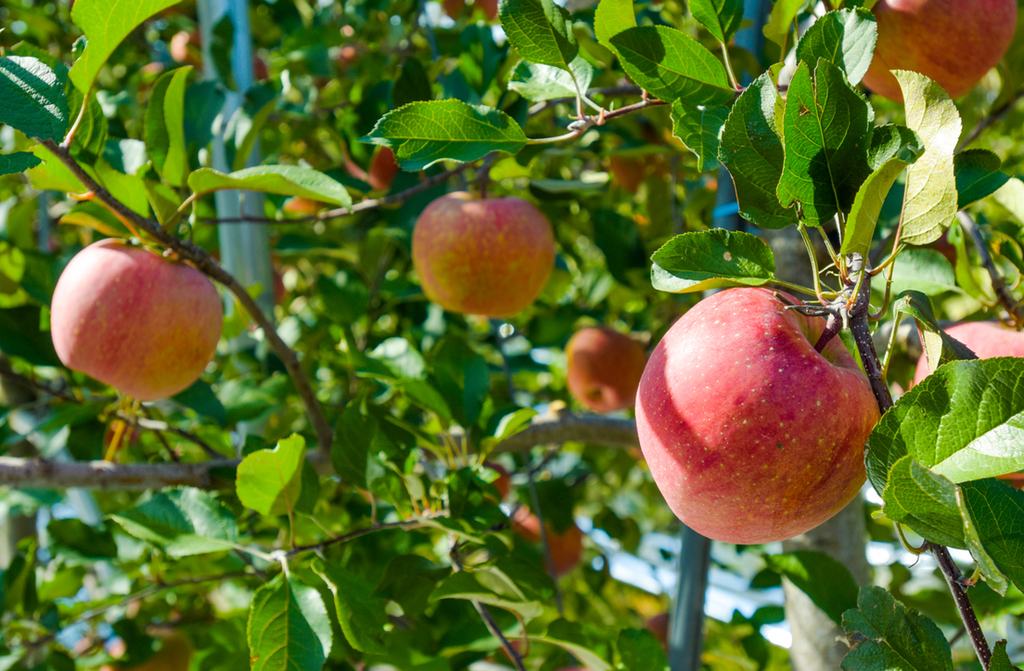
Fuji is commonly called Busa (부사) in Korea. It is a late-season variety, usually harvested in autumn. Fuji apples are crisp and sweet, and their good storage life means they remain available well beyond the harvest period. Fuji is one of the major varieties grown in Korea.
Arisoo (아리수)
Arisoo is a Korean-developed variety selected as an early-season apple for the Chuseok market. It ripens around the holiday and gives shoppers another locally developed option alongside Hongro.
When Are Korean Apples in Season?
The apple harvest begins in late summer with early varieties and continues through autumn. Hongro is usually ready in September, while late-season Fuji is harvested later. The exact timing varies by variety, growing area, and weather from year to year. Apples are available in stores for much of the year because many varieties can be kept in cold storage after harvest. Autumn is still the best time to find freshly harvested apples and seasonal gift boxes.
Where Are Korean Apples Grown?
Apples are grown in several parts of Korea. Cheongsong (청송) in Gyeongsangbuk-do is one of the country’s well-known apple-growing areas. Yeongju (영주) is another major producing area, and Pyeonggwang-dong (평광동) in Daegu is known for its apple orchards and long history of apple growing.
Cheongsong Apple Festival (청송사과축제)
The Cheongsong Apple Festival is held each autumn, when local apples are in season. Visitors can sample and buy Cheongsong apples and other regional products, take part in apple-themed activities, and enjoy performances and cultural events. Popular programs include Find the Golden Apple, an apple-sorting game, and Apple Nanta, a lively percussion performance inspired by the fruit. The festival takes place around Yongjeoncheon Stream and Hyeonbiam Cliff in Cheongsong.
Apple-Picking Experiences in Autumn
In autumn, some Korean orchards offer apple-picking experiences. Families visit places such as Pyeonggwang-dong Apple Village to pick apples and enjoy a day among the orchards. These activities are held at farms and may be separate from the festival program, so check with the farm before planning a visit.
Apples on Charye Tables
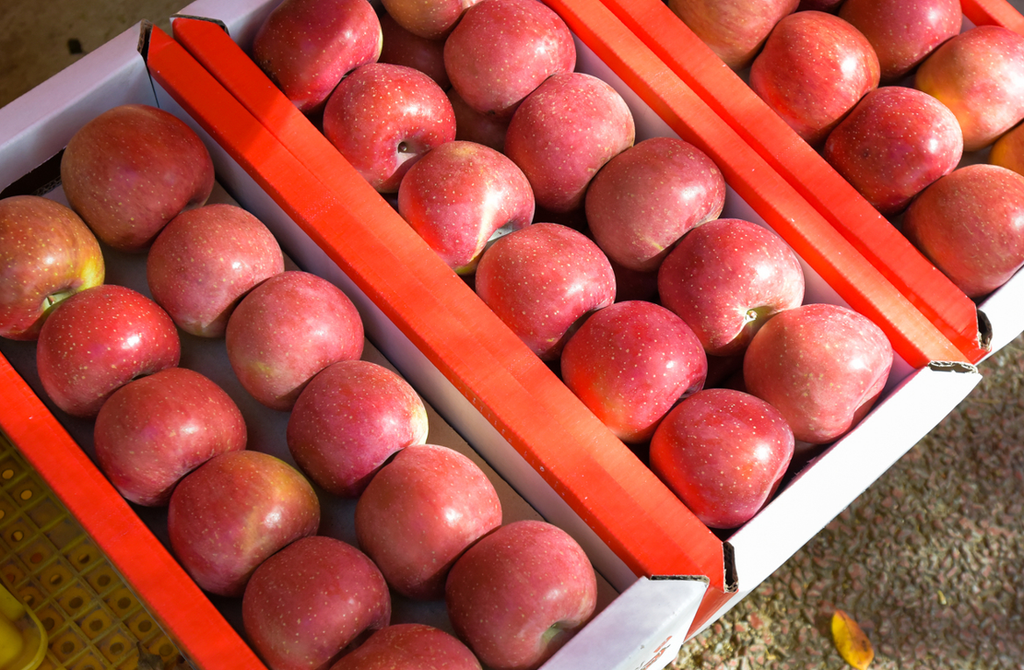
Apples are familiar fruits on charye (차례) tables for ancestral memorial rites, including those held during Chuseok. Families may offer seasonal fruit along with other holiday foods. The specific foods and table arrangement vary by family and region. Apples are also popular Chuseok gifts. Gift boxes often contain carefully selected apples, sometimes alongside Korean pears.
How Koreans Eat Apples
Many people in Korea enjoy apples fresh as a snack or dessert. Wash an apple, cut it into slices, and eat it with the skin on or peeled, depending on your preference. Apples are also used in cooking. Grated or blended apple can add sweetness and moisture to meat marinades. Apples are made into desserts too. In Chungju, for example, visitors can find apple jeonggwa (사과정과), a traditional confection made by drying and sweetening apples.
Korean Apple Juice (사과즙)
Korean apple juice is often sold in small, single-serving pouches. Some products are made with apple juice alone, while others combine apple with ingredients such as beet. Boxes of apple juice pouches are available to order online from Korean food shops and farm sellers. Check the ingredient label to see whether a product is pure apple juice or a blend.
Korean Apple Jam (사과잼)
Apple jam is another way to enjoy Korean apples. It is usually spread on bread or toast, and some varieties contain pieces of apple for extra texture. Korean apple jams, including products made with locally grown apples, are available through online shops. Since recipes vary, check the label for the apple’s origin and other ingredients.
Buying and Storing Korean Apples
When choosing apples, look for fruit with bright, even color and a fresh-looking stem. Avoid apples with bruises or soft spots. Varieties differ in sweetness, tartness, and texture, so trying a few types is a good way to find your favorite.
Store apples in the refrigerator to keep them crisp. Handle them gently, as bruised areas can soften sooner than the rest of the fruit.
A Taste of Korean Autumn
Korean apples bring together seasonal flavor, local farming, and holiday customs. Try Hongro around Chuseok, look for Fuji later in autumn, or visit an apple-growing area such as Cheongsong during harvest season. You can also enjoy the season by picking apples at an orchard, or order Korean apple juice and jam online.
Read Next
Korean Fruits by Season: A Guide to Fruit in Korea –