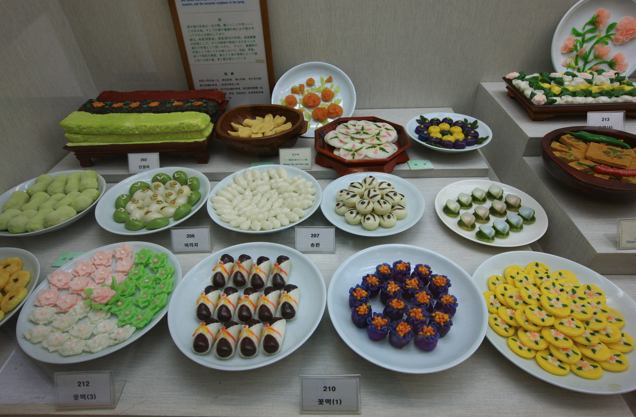

There are many varieties of tteok across Korea, and recipes can differ from one region or family to another. The following are some of the tteok you are likely to encounter when exploring Korean food and traditional markets.
Baekseolgi (백설기): White Steamed Rice Cake
Baekseolgi is a white steamed rice cake, usually made from rice flour. Its texture is soft, light, and slightly crumbly. It is not very sweet compared with many Western desserts. Its flavor is gentle, clean, and rice-centered.
Its name comes from baek (백), meaning “white,” The color white is important. In Korean culture, white can symbolize purity, cleanliness, and a new beginning. Because of this, baekseolgi is closely associated with celebrations, especially a baby’s 100th-day celebration, known as baek-il (백일).
At a baby’s one-hundredth-day celebration, baekseolgi may be shared with family, neighbors, or friends. The act of sharing tteok expresses joy and gratitude. It also carries a wish for the child’s healthy growth.
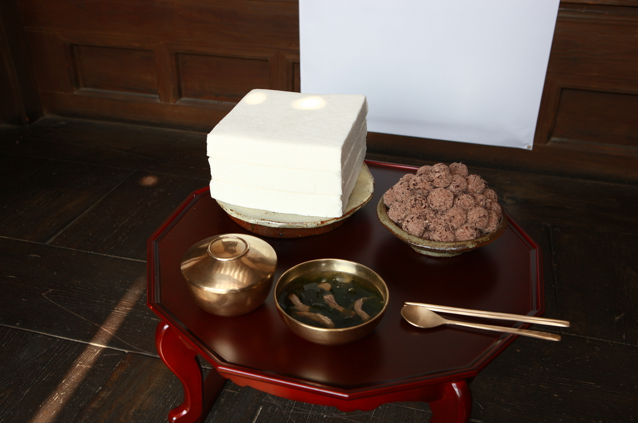
Photo: Korea Tourism Organization
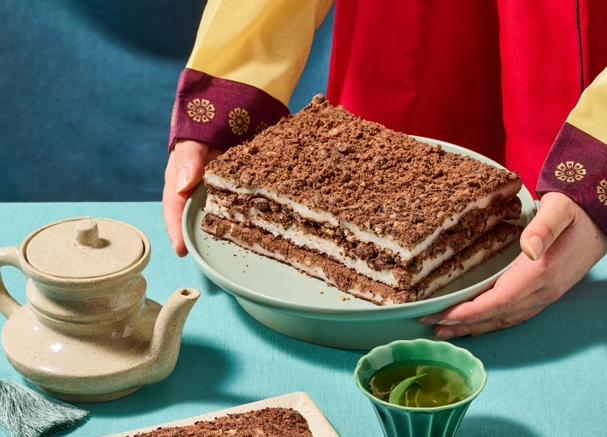
Sirutteok (시루떡): Layered Steamed Rice Cake with Red Beans
Sirutteok is steamed rice cake often made in layers with red bean.
The word “siru” refers to a traditional steamer used for making tteok. Sirutteok can include layers of rice flour and red bean, creating a rustic and hearty appearance.
Red beans are important in Korean food culture because they were traditionally believed to help drive away negative energy. Because of this, red bean tteok often appears in rituals, ceremonies, and meaningful life moments.
Sirutteok is also associated with moving into a new home or opening a business. People may share it with neighbors or people nearby. This sharing creates connection and goodwill.
The taste of sirutteok is mildly sweet, and grainy. The red beans give texture and depth, while the rice cake gives body.
Injeolmi (인절미): Chewy Rice Cake with Roasted Bean Powder
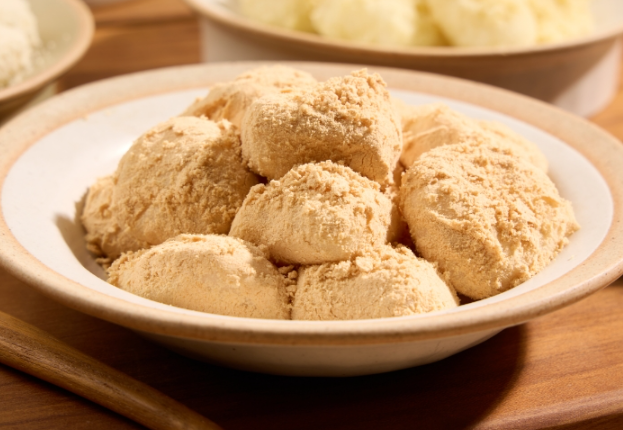
Injeolmi is one of the most beloved Korean rice cakes.
It is made from glutinous rice that is steamed, pounded, cut into pieces, and coated with roasted soybean powder. The texture is soft, sticky, and chewy. The roasted soybean powder gives it a nutty, slightly sweet flavor.
Injeolmi is popular because it is simple but addictive. The rice cake itself is mild, but the bean powder makes it fragrant and comforting. It is often eaten as a snack or dessert, sometimes with tea.
Modern Korea has also turned injeolmi flavor into many new foods. You can find injeolmi bingsu, injeolmi ice cream, injeolmi toast, injeolmi snacks, injeolmi lattes, and injeolmi-flavored desserts. The flavor has become a bridge between traditional tteok and modern cafe culture.
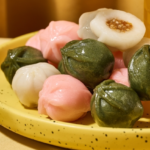
Songpyeon (송편): Chuseok (추석) Rice Cakes
Songpyeon is one of the most famous holiday tteok in Korea.
It is especially associated with Chuseok, the Korean harvest holiday. Songpyeon is usually shaped like a small half-moon and filled with ingredients such as sesame seeds, honey, beans, chestnuts, or sweet fillings. It is often steamed with pine needles, which gives it a subtle fragrance.
Songpyeon is not only food. It is a holiday memory.
Families may gather to make songpyeon together. Children may try to shape the dough. Some pieces come out beautiful, while others look uneven or funny. Older family members may give advice. The table becomes a place of work, laughter, and family connection.
There is also a familiar belief that if someone makes beautiful songpyeon, they may have a beautiful child or good fortune. Whether or not people believe this literally, the idea shows how closely tteok is tied to wishes and family storytelling.
Songpyeon tastes soft, slightly chewy, and gently sweet. The filling gives surprise, and the pine scent gives seasonal atmosphere.
For Koreans, songpyeon means Chuseok. And Chuseok means family, ancestors, harvest, and home.
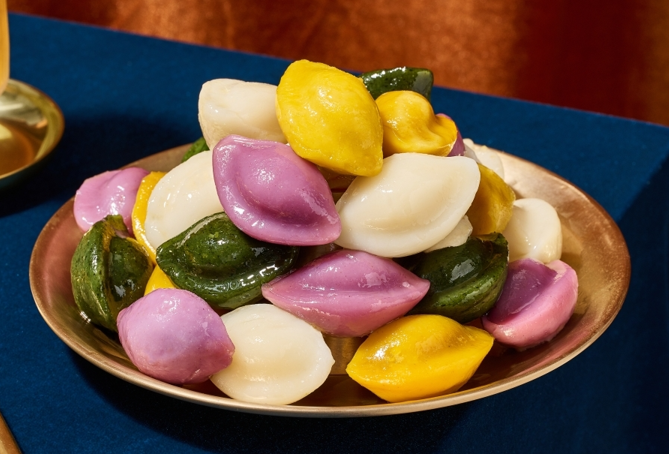
Photo: Korea Tourism Organization
Garaetteok (가래떡): Long White Rice Cake
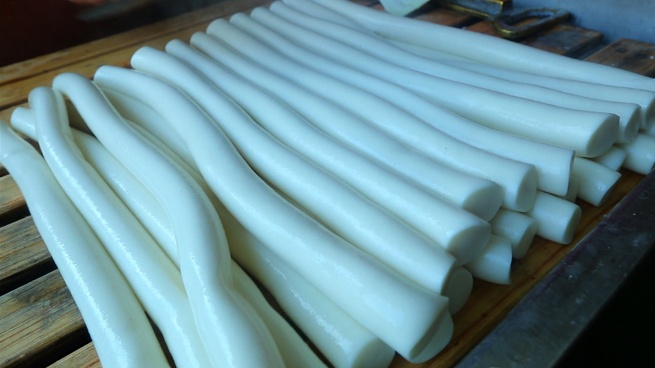
Garaetteok is a long, cylindrical white rice cake.
It is one of the most important tteok types because it is used in several famous Korean dishes. When sliced into thin oval pieces, it becomes the rice cake used in tteokguk (떡국), Korean rice cake soup eaten during Seollal (설날), the Lunar New Year. When cut into longer pieces, it becomes the main ingredient in tteokbokki (떡볶이), Korea’s famous spicy rice cake street food.
Garaetteok itself has a simple taste. It is made from rice and has a chewy, elastic texture. It can be eaten plain, grilled, dipped in honey or sesame oil, or cooked in soup and sauces.
The long shape of garaetteok has symbolic meaning when used for New Year food. Its whiteness and long form can suggest purity, longevity, and a fresh beginning.
Fresh garaetteok can also be grilled. The outside becomes lightly crisp while the inside remains soft and chewy. It can be enjoyed with honey or other simple toppings.
Ggul Tteok (꿀떡): Honey-Filled Rice Cake
Ggul tteok is a small, round rice cake with a sweet syrup filling.
The filling is often made with sugar, honey, and sesame, although recipes vary. When you bite into the rice cake, the sweet filling inside can flow out.
The name comes from Ggul, meaning “honey,” and tteok, meaning “rice cake.”
Ggul tteok is often colorful and easy to eat. It is popular as a snack, dessert, or gift item. Its small size makes it convenient for sharing. It can be found at traditional markets, rice cake shops, and supermarkets.
For visitors, ggul tteok can be an easy introduction to Korean rice cakes because it is sweet and approachable.
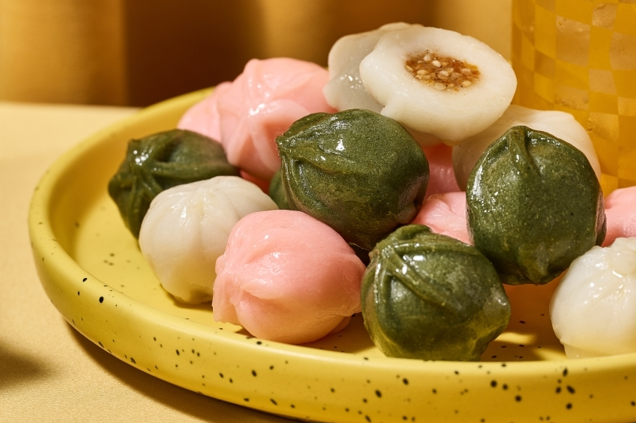
Photo: Korea Tourism Organization
Chapssaltteok (찹쌀떡): Glutinous Rice Cake with Sweet Red Bean
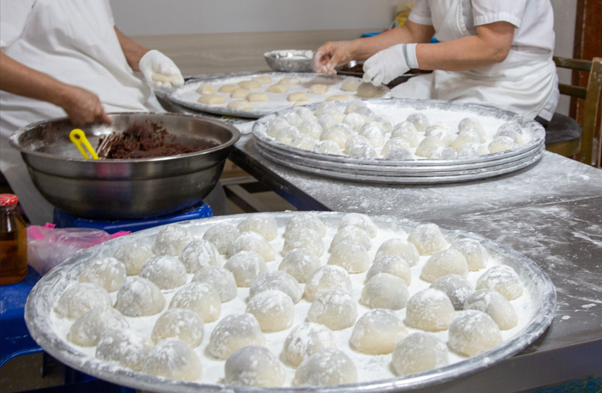
Chapssaltteok is made from glutinous rice and often filled with sweet red bean paste.
It has a soft, chewy outer layer and a sweet filling inside. It may remind some visitors of Japanese mochi, but Korean chapssaltteok has its own place in Korean food culture.
Chapssaltteok is often associated with good luck, especially around exams. Its sticky texture is connected to the Korean word “붙다” (butda), meaning “to stick.” The word can also be used when someone passes an exam or gets accepted into a school or job. Students may receive sticky rice cakes as gifts before important tests.
Chapssaltteok is sweet, soft, chewy, and comforting. It is often eaten as a snack or given as a small meaningful gift.
Ssuktteok (쑥떡): Korean Mugwort Rice Cake
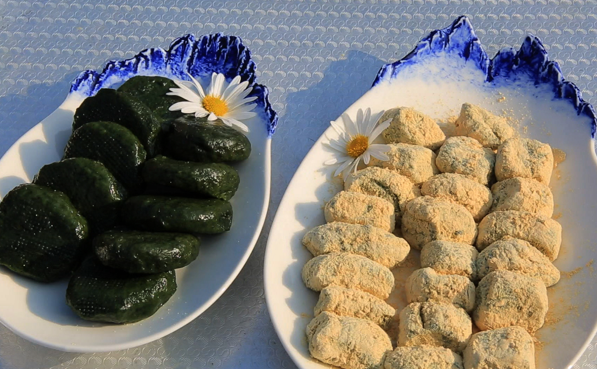
Ssuktteok, is made with mugwort, a green herb used in Korean cooking and traditional food culture.
The mugwort gives the rice cake a green color and an earthy, herbal aroma. Some people love its deep natural flavor. Others may find it strong at first. But for many Koreans, mugwort tteok tastes like spring, countryside, and older food traditions.
Mugwort is often connected to seasonal eating. When spring comes, fresh herbs and greens become important. Mugwort tteok captures that feeling in rice cake form.
It is not as sweet or easy as some modern desserts. Its charm is more subtle and traditional.
Mugwort tteok feels like something made from the land.
Hobaktteok (호박떡): Korean Pumpkin Rice Cake
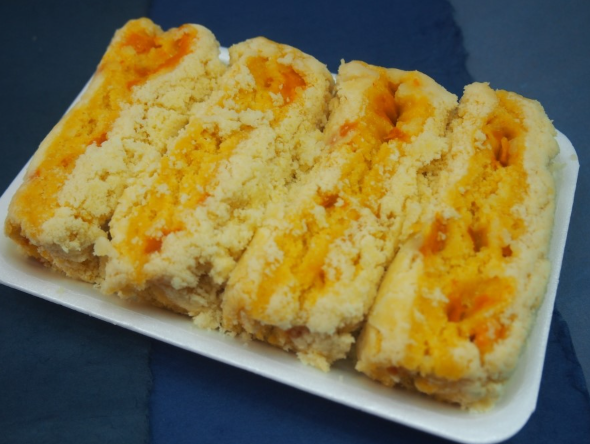
Hobaktteok uses pumpkin or squash to give sweetness, color, and softness.
It is often yellow or golden and has a warm, gentle flavor. Pumpkin makes the rice cake naturally sweet and moist. Sometimes beans, nuts, or dried fruits are added.
This type of tteok is especially appealing because it feels healthy, soft, and comforting. It can be eaten as a snack with tea or served during family gatherings.
Pumpkin tteok shows how Korean rice cakes can use natural ingredients to create color and flavor. The sweetness is not only from sugar. It comes from the ingredient itself.
Jeolpyeon (절편): Patterned Rice Cake
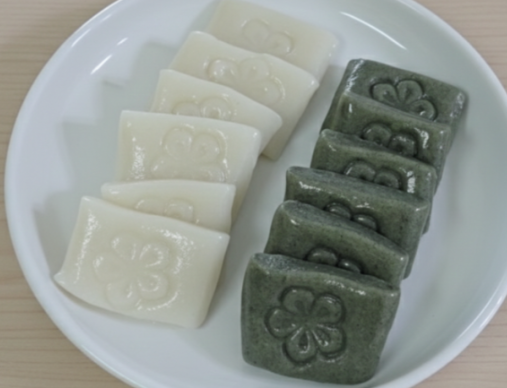
Jeolpyeon is a type of rice cake made from steamed rice flour dough that is kneaded, shaped, and pressed with decorative patterns.
It is usually not very sweet. Its appeal is in its smooth texture, clean flavor, and beautiful appearance. Patterns may be stamped onto the surface using traditional wooden molds.
Jeolpyeon is often used for ceremonies, holidays, or special occasions. It may be colored with natural ingredients and shaped into attractive pieces.
This type of tteok shows the aesthetic side of Korean food. Even simple rice cake can become beautiful through shape, pattern, and arrangement.
Jeolpyeon is quiet, elegant, and traditional.
Yaksik (약식): Sweet Rice with Nuts and Jujubes
Yaksik, also called yakbap (약밥), is a sweet rice dish made with glutinous rice, soy sauce, honey or sugar, sesame oil, chestnuts, jujubes, and pine nuts.
It is not always thought of as tteok in the same way as pounded rice cakes, but it belongs closely to Korea’s rice cake and ceremonial food culture.
Yaksik has a deep brown color, sticky texture, and sweet-savory flavor. The nuts and jujubes make it rich and festive. It is often served at celebrations or special gatherings.
The taste is more complex than plain tteok. It is sweet, nutty, fragrant, and slightly savory.
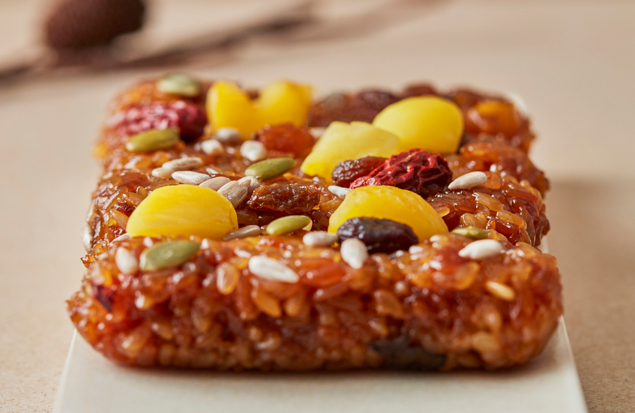
Photo: Korea Tourism Organization
Sul-tteok (술떡)
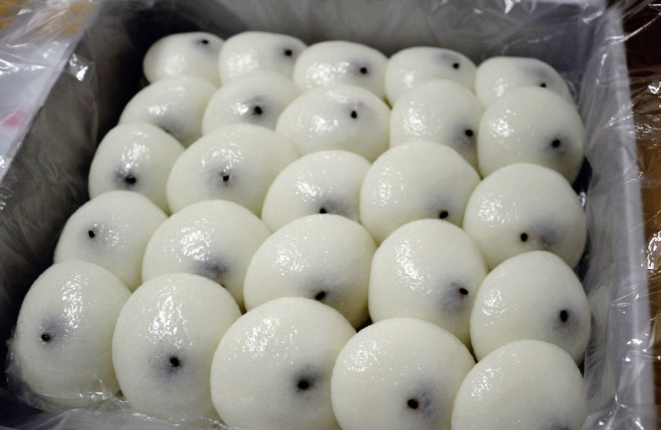
Sul-tteok is a traditional fermented rice cake.
It is made from rice flour and fermented using makgeolli, Korean rice wine. Fermentation gives the rice cake a light, slightly airy texture and a subtle sweet and tangy flavor.
Sul-tteok is also commonly known as jeungpyeon (증편).
Its texture is different from the dense chewiness found in many other types of tteok. The fermentation process gives it a lighter feel.
Hwajeon (화전)
Hwajeon is a small, pan-fried rice cake decorated with edible flowers.
The name literally means “flower pancake.”
The dough is made from glutinous rice flour and lightly pan-fried. Edible flowers, such as azaleas, are placed on the surface while it cooks.
Hwajeon is traditionally associated with spring and seasonal traditions.
Its delicate flowers and small size make it one of the most visually distinctive Korean rice cakes.
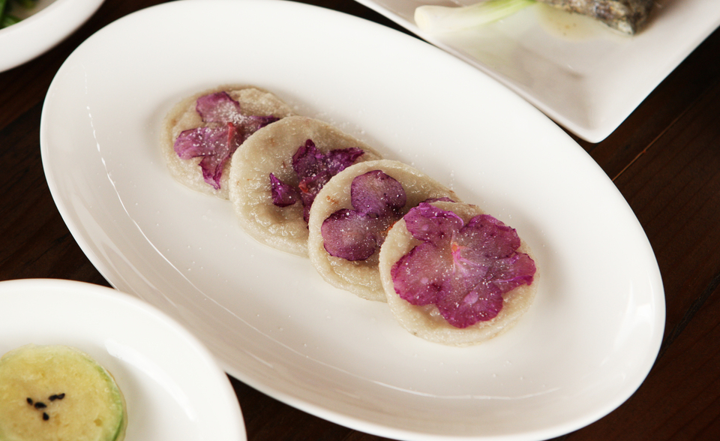
Photo: Korea Tourism Organization
Mujigae-tteok (무지개떡)
Mujigae-tteok means “rainbow rice cake.”
It is made by layering rice cake in different colors, creating a rainbow-like appearance.
The colorful layers make it especially suitable for celebrations and joyful occasions. It has traditionally been associated with children’s birthday celebrations and other important family events.
Mujigae-tteok shows how color and presentation can be an important part of Korean traditional food.
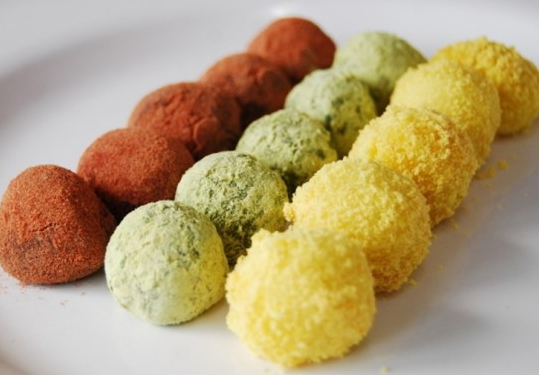
Gyeongdan (경단)
Gyeongdan are small, round rice cakes made from glutinous rice flour.
They are boiled and then coated with different powders or other ingredients.
Common coatings include roasted soybean powder, sesame, and crushed beans.
Their small size makes them easy to eat, and their soft, chewy texture makes them a popular traditional snack and refreshment.
How to Choose Tteok
Trying Korean tteok for the first time can be a little overwhelming because there are so many varieties.
For a soft and mildly sweet tteok, start with Injeolmi (인절미), coated with roasted soybean powder.
If you prefer a sweet filling, try Chapssaltteok (찹쌀떡) or Kkultteok (꿀떡).
For a taste of Korean holiday traditions, Songpyeon (송편) is a wonderful choice, especially during Chuseok.
If you enjoy a light and slightly tangy flavor, try Sul-tteok (술떡), a traditional fermented rice cake.
For something colorful and festive, look for Mujigae-tteok (무지개떡).
If you enjoy nuts and dried fruit, Yaksik (약식) offers a richer and more satisfying flavor.
There is no right or wrong way to start. Try a few different kinds and discover which textures and flavors you enjoy most.
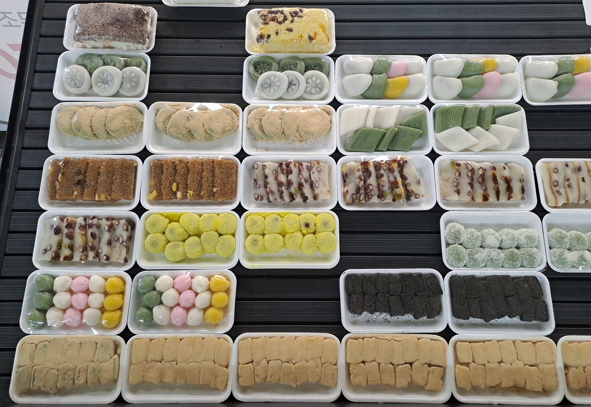
With Korean tteok, the texture can be just as memorable as the taste.