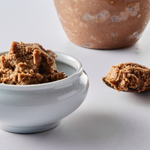
Gochujang (고추장) is a thick, red Korean paste with a spicy, savory, and slightly sweet flavor. It is used in familiar dishes such as tteokbokki (떡볶이), bibimbap (비빔밥), and gochujang jjigae (고추장찌개), and it is also mixed into marinades and dipping sauces.
Gochujang is more than a hot sauce. Fermentation gives it a deep, rounded flavor, while its chili heat and gentle sweetness make it a distinctive Korean seasoning. The taste varies by recipe and brand, so not every gochujang is equally spicy or sweet.
Quick Facts About Gochujang (고추장)
- Korean name: 고추장 (gochujang)
- What it is: A fermented Korean chili paste
- Common ingredients: Korean chili pepper powder (gochugaru, 고춧가루), meju powder, grains such as rice, and salt
- Flavor: Spicy, savory, and often mildly sweet
- Common uses: Tteokbokki, bibimbap, stews, marinades, and dipping sauces
- Famous region: Sunchang (순창), known for its gochujang-making tradition
When Did Chili Peppers Come to Korea?
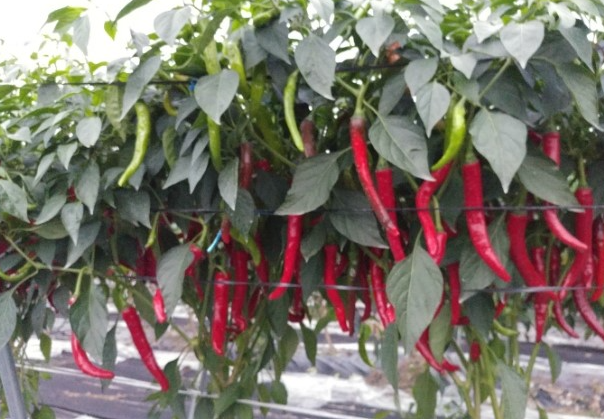
Chili peppers (고추) are native to the Americas and spread to Asia after contact between the continents. They were not always part of Korean cooking. The exact date and route by which chili peppers arrived in Korea are still debated, but they are generally thought to have arrived around the late 16th to early 17th century.
Historical texts also mention a condiment called chojang (초장) before chili peppers became widely used. Scholars debate whether this early condiment was the same as modern gochujang. A detailed recipe closer to today’s chili paste appears in the 18th-century cookbook Jeungbo Sallim Gyeongje (증보산림경제), published around 1760. It describes a mixture of meju powder, chili pepper powder, glutinous rice flour, and soy sauce.
As chili peppers became established in Korea, people developed ways to dry and grind them, then preserve their flavor in fermented seasonings. Gochujang brought a new combination of heat, savory depth, and sweetness to Korean cooking.
Growing Korean Chili Peppers
In Korea, chili peppers are usually started from seeds and grown into seedlings before being planted outdoors in spring. The plants need warm weather and plenty of sunlight. They grow upright with support, producing green peppers that turn red as they ripen.
Farmers harvest green chili peppers earlier for fresh use. Ripe red chili peppers are picked later, from summer into fall, and are used to make dried peppers and Korean chili pepper powder. The harvest season and timing can vary by region and growing conditions.
From Chili Peppers (고추) to Korean Chili Pepper Powder (고춧가루)
Gochujang begins with gochugaru (고춧가루), Korean chili pepper powder made from dried red chili peppers. After harvest, ripe red peppers are sorted and dried, either in the sun or with hot-air dryers. Sun-dried peppers are called taeyangcho (태양초). Both sun drying and machine drying are used today.
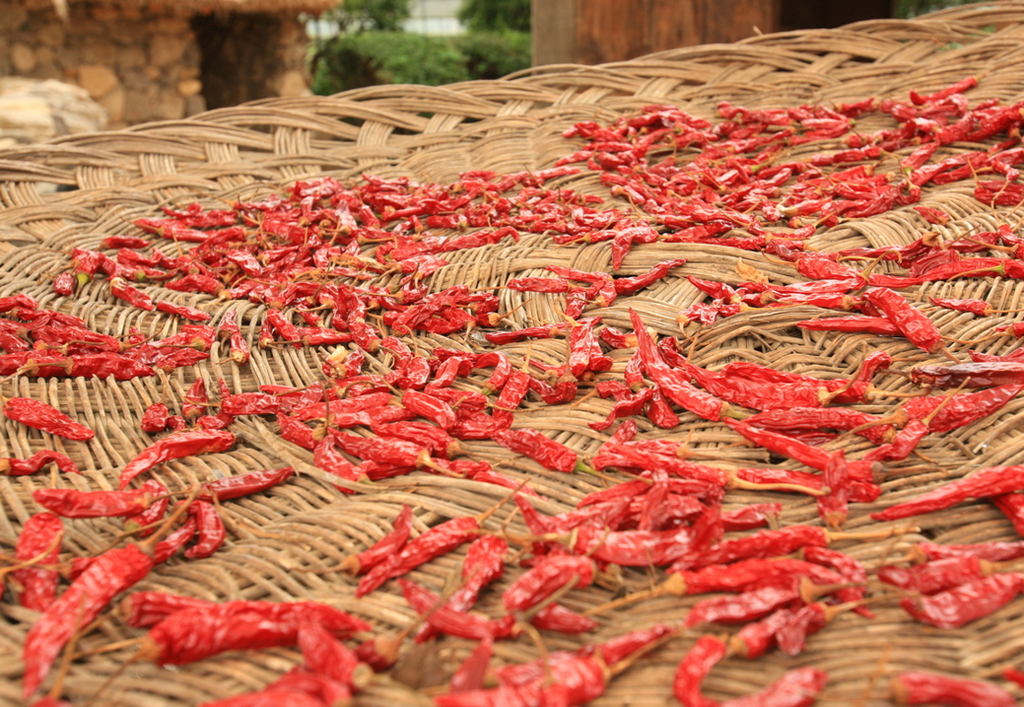
Once the chili peppers are fully dried, their stems are removed and the peppers are ground into powder. The amount of seed left in the powder can affect its color and texture. Korean chili pepper powder also comes in different levels of coarseness: coarser flakes are often used for kimchi, while finer powder works well for gochujang and smooth sauces.
Gochugaru does more than add heat. It gives gochujang its red color and contributes a fruity, earthy pepper flavor. The pepper variety and the way it is dried and ground can all affect the final taste.
How Traditional Gochujang Is Made
Traditional recipes vary by household and region. Common ingredients include Korean chili pepper powder, meju-garu (메줏가루, fermented soybean powder), salt, and a grain base such as glutinous rice. Some recipes use malt water or other ingredients to add sweetness and develop the paste’s texture.
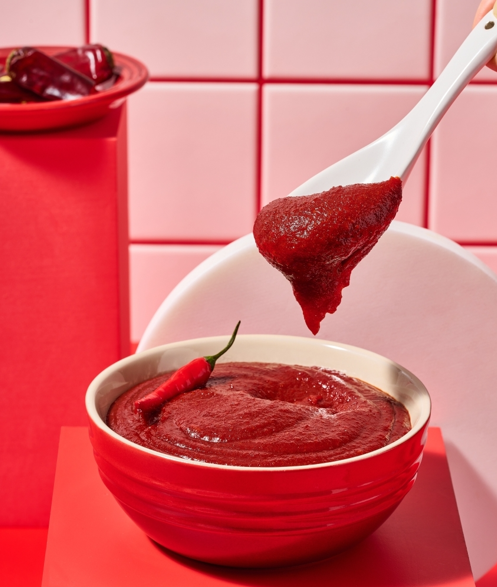
In one traditional method, malt powder is soaked in water and strained. Glutinous rice flour is cooked with the malt water until it forms a thick paste, then cooled. Korean chili pepper powder, meju powder, and salt are mixed in. The paste is placed in a jar to ferment and mature. The proportions and fermentation time vary; some traditional methods call for several months of fermentation.
Traditionally, gochujang was kept in an earthenware jar on a jangdokdae (장독대), the area outside a home where families stored fermented foods. As the paste matures, its flavor becomes deeper and rounder. Today, many households buy ready-made gochujang. Commercial products may use different ingredients and production methods, so their sweetness, saltiness, thickness, and heat can vary.
How Koreans Use Gochujang
Gochujang is used in many Korean dishes, usually alongside other seasonings rather than as the only flavoring.
- Tteokbokki (떡볶이): Gochujang is often combined with other seasonings to make a spicy-sweet sauce for rice cakes.
- Bibimbap (비빔밥): Diners can mix a spoonful into rice, vegetables, and other toppings, adding as much or as little as they like.
- Gochujang jjigae (고추장찌개): The paste gives this stew a spicy flavor.
- Marinades: It can be mixed with other seasonings to coat meat, chicken, or seafood before cooking.
- Chogochujang (초고추장): Gochujang mixed with vinegar and other seasonings makes a tangy dipping sauce for foods such as raw fish and vegetables.
If you are new to Korean food, start with a small amount. The heat can build as you eat, and different brands can taste quite different.
Sunchang and Gochujang
Sunchang (순창), in Jeollabuk-do, is one of Korea’s best-known regions for gochujang. The area has a long-standing gochujang-making tradition, and an 1809 text lists Sunchang gochujang among the notable local specialties of its time. Visitors can learn about Korean fermented pastes and jang-making at Sunchang’s traditional gochujang village and fermentation-related attractions.
Why Gochujang Matters in Korean Cooking
Gochujang brings chili heat, savory depth, and sweetness together in one ingredient. It adds color to a dish, seasons sauces, and helps flavor cling to rice cakes or meat. Because it is fermented, its taste is fuller than chili pepper powder mixed with water.
For visitors, tasting gochujang in different dishes is a good way to explore its range. It can be bold in tteokbokki, mixed into bibimbap to suit each diner’s taste, or used as one seasoning in a marinade. Gochujang is one of Korea’s best-known jang (장), and its distinctive flavor is closely associated with Korean food.
Read Next
Korean Jang (장): Gochujang, Doenjang, and Ganjang –