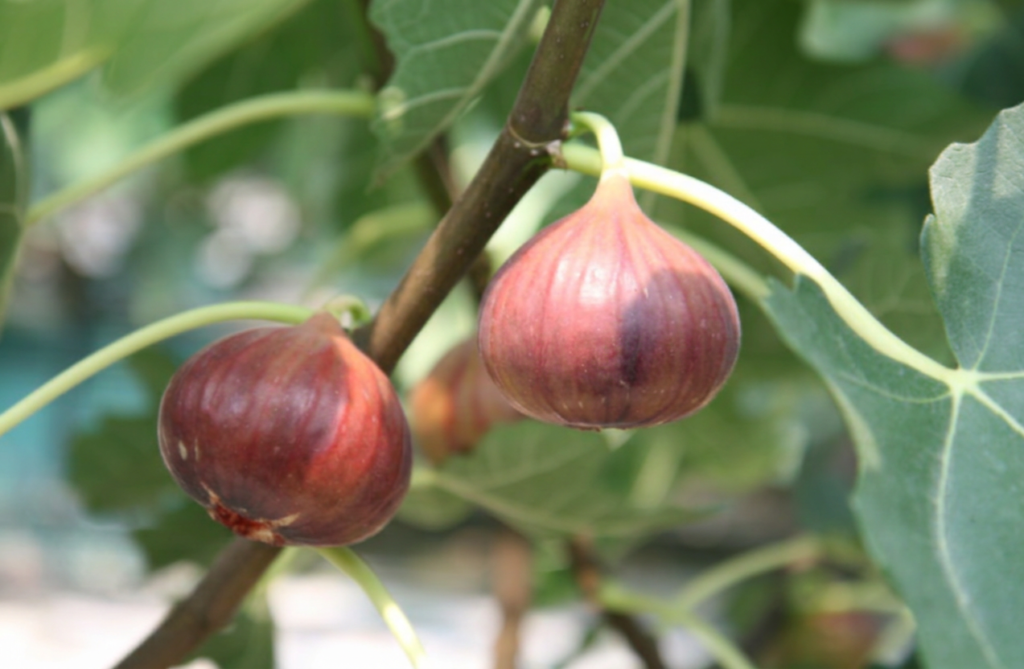

Fresh figs are a seasonal treat in Korea, especially in late summer and autumn. Soft, delicate, and gently sweet, they are often eaten fresh when ripe. Yeongam (영암), in South Jeolla Province, is one of Korea’s best-known fig-growing areas.
Quick Facts About Korean Figs
- Korean name: 무화과 (muhwagwa)
- English name: Fig
- Main season: Late summer to autumn; greenhouse-grown figs may appear earlier
- Taste and texture: Mildly sweet, soft, and filled with tiny crunchy seeds
- Best-known growing area: Yeongam (영암), South Jeolla Province
- Where to find them: Supermarkets, traditional markets, fruit shops, and seasonal farm stands
Why Is It Called Muhwagwa?
The Korean word muhwagwa (무화과) literally means “fruit without flowers.” From the outside, a fig tree does not appear to have flowers like a peach or apple tree. In fact, the tiny flowers grow inside the hollow structure that develops into the edible fig. What looks like a single fruit contains many tiny flowers and, when mature, tiny fruits and seeds. This unusual structure is one reason figs often catch the attention of people trying them for the first time.
What Do Korean Figs Taste Like?
A ripe fig has soft flesh and a delicate sweetness. When you cut one open, you will see a pink or reddish center filled with tiny seeds. The seeds give the smooth flesh a light crunch. Fresh figs are fragile and can soften quickly, so they are best eaten soon after purchase. Handle them gently, rinse them carefully, and enjoy them chilled or at room temperature. The skin is edible, though some people prefer to peel it.
When Are Figs in Season in Korea?
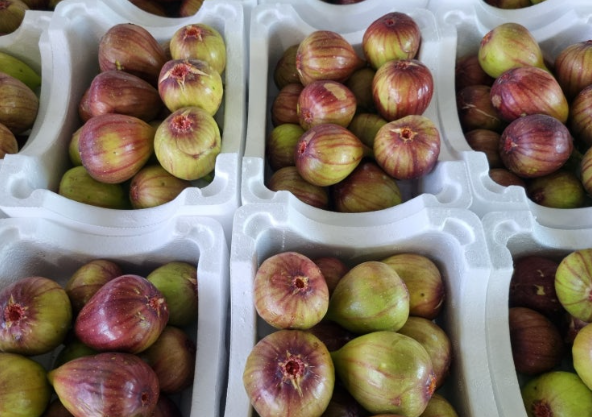
Figs are mainly a late-summer and autumn fruit in Korea. The harvest period varies with the growing region and cultivation method; greenhouse production can bring some fruit to market earlier. In Yeongam, fresh figs are a well-known seasonal crop, with the main harvest extending into autumn. Because fresh figs have a short season and are delicate, you may not see them in every shop throughout the year. When they arrive at markets, they are often sold in small boxes to protect the soft fruit.
Yeongam Figs and the Fig Festival
Yeongam is widely known as a major fig-growing area. During fig season, the county holds the Yeongam Fig Festival (영암 무화과축제), where visitors can sample and buy fresh figs and fig products. Festival programs and dates vary each year. The area also sells processed fig products, and some local cafés and bakeries use figs in items such as bread, cakes, and drinks.
How Do Koreans Eat Figs?
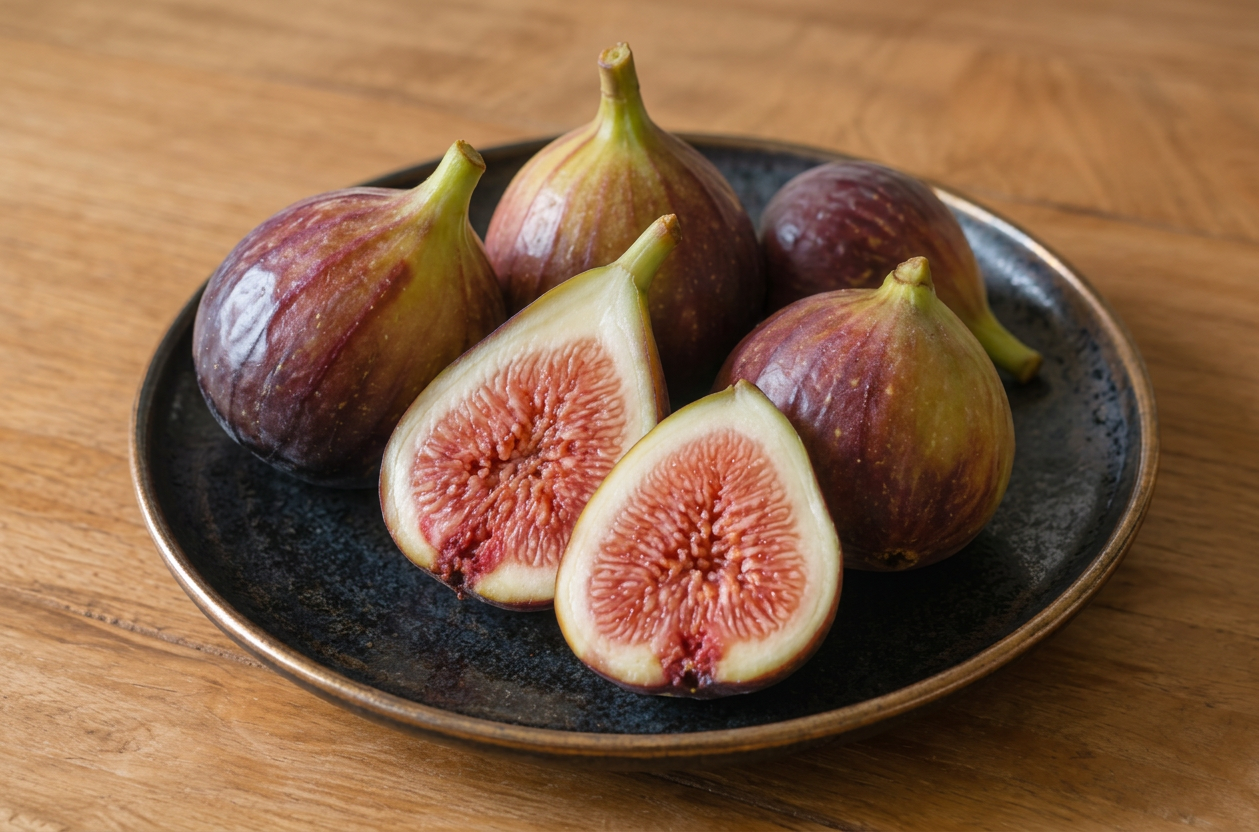
The simplest way is to eat a ripe fig fresh. Cut it in half to see the colorful center, then eat it with a spoon or bite into it. Figs can also be served with yogurt, cheese, or bread. During the season, some Korean cafés and bakeries feature fresh figs in cakes, rolls, smoothies, or yogurt bowls. These seasonal menus let people enjoy the fruit even when they are not buying a whole box to take home.
Fresh Figs and Dried Figs
Fresh figs are soft, moist, and delicate. Dried figs are chewier and have a more concentrated sweetness. Dried figs are sold in Korea too, but they have a different taste and texture from the fresh Korean figs that appear in season.
A Brief Taste of Late Summer
Korean figs are worth looking for when they come into season. Their soft texture, tiny crunchy seeds, and gentle sweetness make them different from crisp apples or juicy pears. If you visit Yeongam during fig season, you may find fresh figs at local markets and fig-themed treats at the festival.
Read Next
Korean Fruits by Season: A Guide to Fruit in Korea –