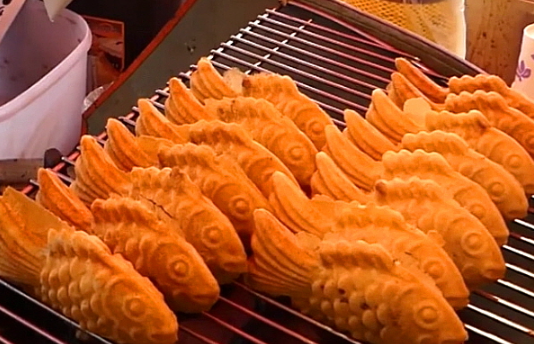

On a cold day in Korea, the smell of warm batter baking on a street cart can lead you straight to bungeoppang (붕어빵). These fish-shaped pastries are filled with sweet red bean paste or custard cream and served hot in a small paper bag.
Despite its fish shape, bungeoppang contains no fish. The outside is made from a lightly sweet batter, while the filling gives each variety its own flavor. It is a familiar winter snack, but frozen versions are now also sold online for people to heat and enjoy at home.
Quick Facts About Bungeoppang
- Korean name: 붕어빵 (bungeoppang)
- What it is: A fish-shaped pastry with a sweet or savory filling
- Classic fillings: Sweet red bean paste and custard cream
- Where to find it: Seasonal street carts, bakeries, cafés, markets, and online shops
- Online options: Usually sold frozen in packs; check the package for heating instructions
- Useful word: Bungsekwon (붕세권), a neighborhood with a bungeoppang vendor nearby
What Is Bungeoppang?
The name bungeoppang combines bungeo (붕어), meaning crucian carp, and ppang (빵), meaning bread. The pastry is baked in a fish-shaped mold, usually with a crisp golden outside and a soft, sweet filling.
The shape is part of its charm, but the filling is what people often debate. Some prefer pat-bungeoppang (팥붕어빵), filled with sweet red bean paste. Others choose shu-bungeoppang (슈붕어빵), filled with smooth custard cream. The popular shorthand pat-bung and shu-bung is often used when people talk about which one they prefer.
Street vendors usually bake each pastry in a metal mold and serve it while it is still warm. The filling can be very hot, so take a small first bite.
Popular Types of Bungeoppang
Red Bean Bungeoppang
Red bean is the classic filling. It is sweet, thick, and slightly earthy, with a texture that can be smooth or include whole pieces of bean. Recipes and sweetness vary from seller to seller.
Custard Cream Bungeoppang
Custard cream has a smooth, mild sweetness and a softer texture than red bean paste. It is a popular alternative for people who prefer a creamy filling. Red bean and custard are also common options in frozen bungeoppang products sold online.
Other Fillings
Modern versions may have sweet potato, pizza-style filling, cheese, or other ingredients. Not every street cart offers these flavors; the selection depends on the seller.
Some shops sell mini bungeoppang, which are smaller and easy to share, while others make larger pastries with more filling. Look at the sign or display to see what is available.
What Does “Bungsekwon” Mean?
Bungsekwon (붕세권) is a playful Korean word combining bungeoppang with yeoksekwon (역세권), a term for an area conveniently located near a subway station. It describes a neighborhood where you can easily find a bungeoppang stall nearby.
Because many street carts appear only during colder months, people sometimes ask online where the nearest vendor is. Some apps and online communities share vendor locations, but opening days and hours can change. If you spot a cart while walking around in winter, it may be worth checking whether it is open before making a special trip.
Why Street Bungeoppang Stalls Are Becoming Harder to Find
Street bungeoppang stalls have become harder to find in many neighborhoods. One reason is the rising cost of ingredients and fuel. Flour, red beans, cooking oil, sugar, and LPG all add to the cost of making each pastry. When expenses rise but sellers cannot raise prices too much, there may be little profit left. A Yonhap report quoted vendors who said that higher ingredient costs made it difficult to earn enough to cover their labor, leading some to leave the business.
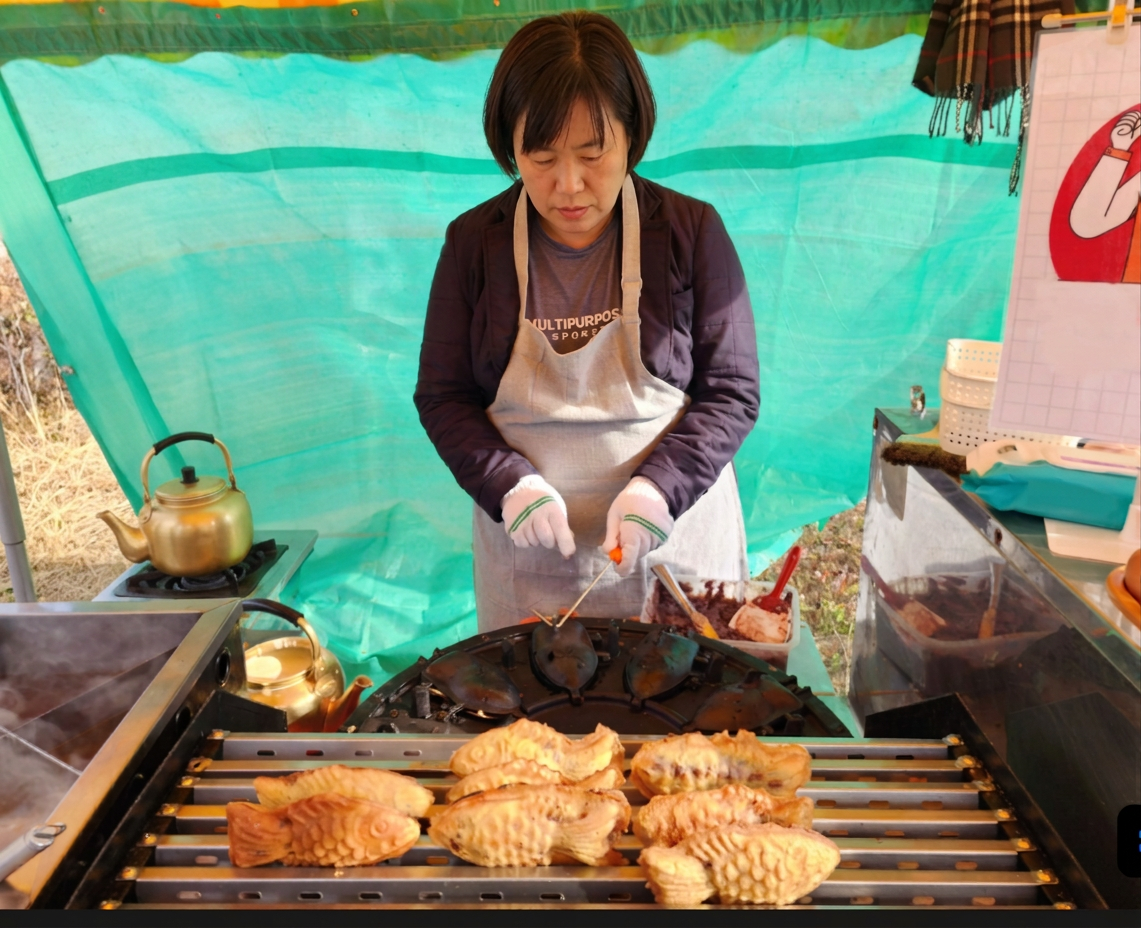
Bungeoppang is also a seasonal business, with most street stalls operating during the colder months. This gives vendors a limited period to sell, often outdoors in cold weather. The challenge is part of a broader decline in street vending: the number of street stalls in Seoul fell from 6,079 in 2020 to 4,741 in 2024. Those figures cover all street stalls in Seoul, not just bungeoppang vendors.
As street stalls become less common and prices rise, more people are turning to frozen or ready-to-eat bungeoppang sold online or at convenience stores. These options make the snack easier to find, though they offer a different experience from buying one freshly baked at a street cart.
Buying Frozen Bungeoppang Online
Bungeoppang is also available through Korean online grocery stores and food retailers. Frozen products commonly come in packs, with red bean and custard cream among the available flavors. Some sellers offer mixed-flavor boxes, while others sell one flavor per pack.
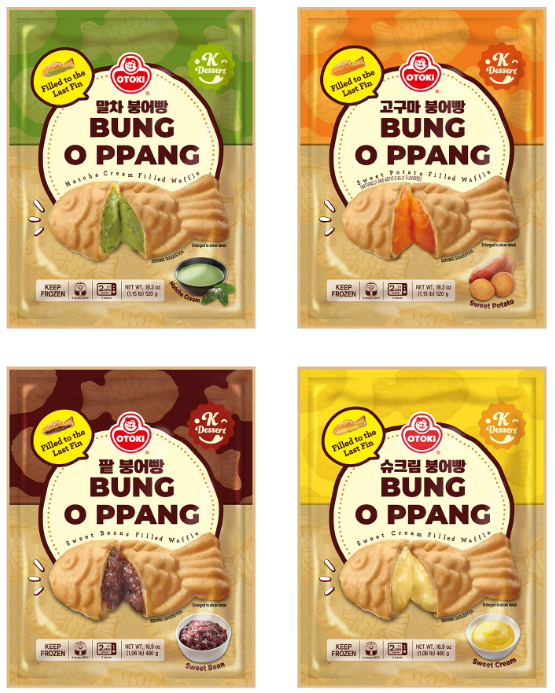
Most frozen bungeoppang needs to be heated before eating. Depending on the product, the package may recommend an oven, air fryer, or another method. Follow the instructions on the package, since cooking time and temperature differ by brand and size. Heating it in an oven or air fryer can help restore a crisp outside.
Frozen bungeoppang is convenient when there is no street vendor nearby or when you want to keep a few at home. It is different from buying one freshly baked at a cart, but it offers a simple way to enjoy the snack outside the winter street-food season.
Tips for Trying Bungeoppang
- Start with the classic red bean filling. It is the traditional choice, and some stalls may also offer custard cream.
- Let it cool briefly. The filling can be hotter than the outside.
- Check what is inside. The fish shape does not indicate the filling, and newer flavors vary by seller.
- Look for a nearby cart in winter. Search local maps or community posts for 붕어빵 or 붕세권, and confirm that the stall is open.
- For frozen products, follow the package directions. Heating methods vary between brands.
Read Next
Jjinppang (찐빵) and Hoppang (호빵): Korea’s Warm Steamed Buns –
Hotteok (호떡): Korea’s Sweet Winter Street Snack –