When the weather turns cold in Korea, steam rising from a basket of freshly made buns is hard to resist. Jjinppang (찐빵) is a soft, round steamed bun, most often filled with sweet red bean paste. It is warm, filling, and easy to eat on the go—one reason it has long been a favorite winter snack.
The word hoppang (호빵) is closely connected to jjinppang. It began as the name of Samlip’s packaged steamed bun and has become a familiar name for the warm buns sold in shops. The two are similar, but jjinppang is the general food name, while hoppang is especially associated with Samlip and the ready-to-heat or ready-to-eat versions.
Quick Facts About Jjinppang and Hoppang
- Korean names: 찐빵 (jjinppang), 호빵 (hoppang)
- What they are: Soft, filled buns cooked by steaming
- Classic filling: Sweet red bean paste
- Other fillings: Vegetables, pizza, sweet potato, pumpkin, and more
- When Koreans often eat them: Especially during the colder months
- Where to find them: Local bakeries and markets, convenience stores, supermarkets, and online shops
What Is Jjinppang?
Jjinppang is made by wrapping dough around a filling, letting the dough rise, and steaming the buns until they become soft and moist. Sweet red bean paste is the classic filling, but shops also make savory versions with vegetables and other ingredients. The filling can be smooth or have a coarser texture, and the dough may be chewy, fluffy, or slightly dense depending on the recipe.
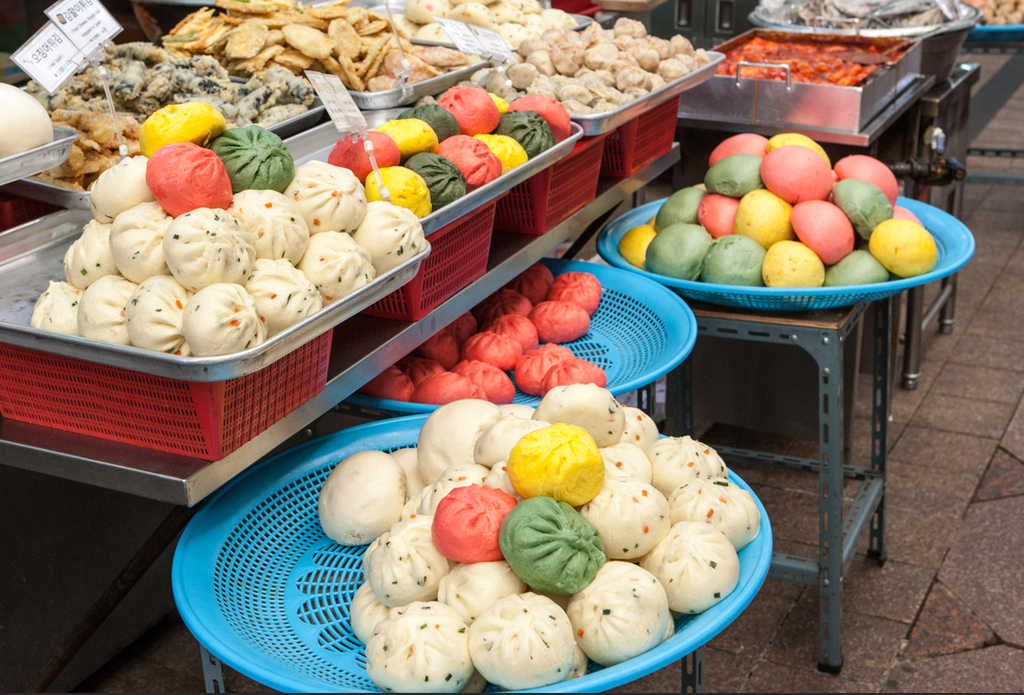
Photo: Korea Tourism Organization
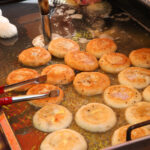
Unlike hotteok (호떡), which is cooked on an oiled griddle, jjinppang is cooked with steam. It is best eaten warm, soon after steaming. Be careful with the first bite: the filling inside can stay very hot even when the bun feels cool enough to hold.
Why Is Jjinppang a Winter Snack?
Jjinppang is closely associated with winter in Korea. A hot bun warms your hands while you eat, and the soft dough and sweet filling make it a satisfying snack on a cold walk. In winter, people may find them at bakeries and markets, or buy them straight from a shop’s steamer.
Red bean jjinppang with a glass of milk is a familiar combination. Savory versions can feel more like a small meal, especially when you’re looking for something warm and filling.
Famous Jjinppang Regions in Korea
Anheung is well known for jjinppang, but it is not the only place with a local steamed-bun tradition. Here are a few regions where jjinppang has become a local specialty.
Anheung Jjinppang, Hoengseong
Anheung Jjinppang Village (안흥찐빵마을) is in Anheung-myeon, Hoengseong County, Gangwon Province. The area is known for its handmade red bean buns, and more than ten shops in the village specialize in steamed buns. Visitors can also learn about Anheung jjinppang and try making it at the local Morakmorak Village center.
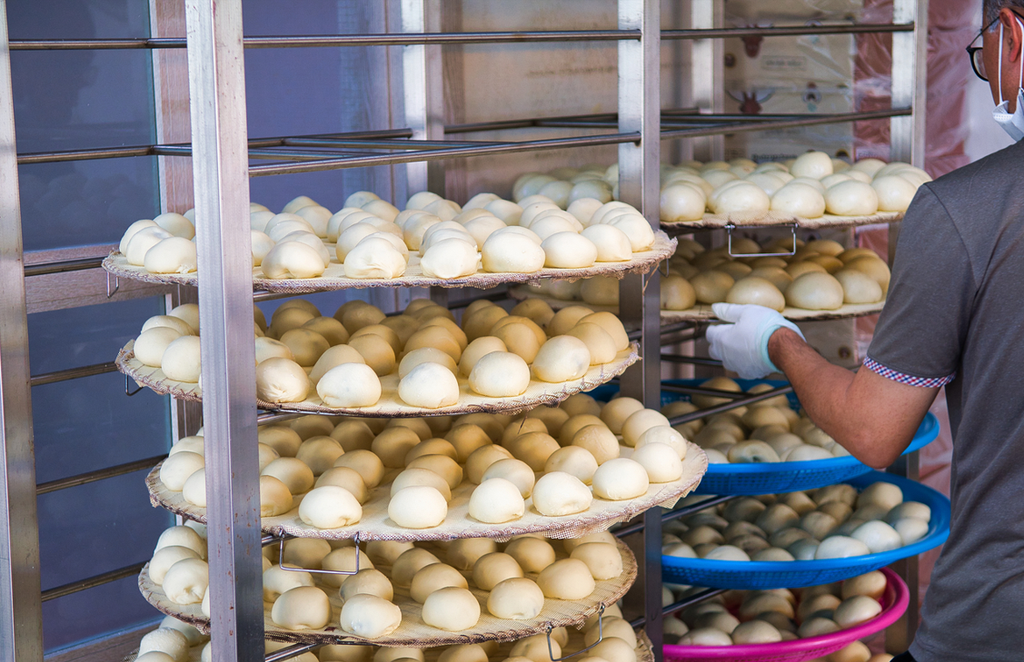
Photo: Korea Tourism Organization
Anheung also hosts the Anheung Jjinppang Festival in autumn. Festival activities have included making jjinppang and red bean cookies, performances, games, and family activities. At the 2026 festival, visitors could also take part in local culture programs and a story-based village activity. Festival dates and programs can change from year to year. You can buy Anheung jjinppang online, too. Some local shops take online orders and ship their buns, so you don’t have to visit the village to try them.
Gachang Jjinppang Street, Daegu
Gachang Jjinppang Street (가창찐빵골목) is in Dalseong County, Daegu. The street began to take shape after a steamed-bun shop opened in 2000 and drew customers. Today, several shops sell jjinppang and dumplings along the street. Gachang buns are known for their chewy dough and generous red bean filling, though recipes vary from shop to shop.
What Is Hoppang (호빵)?
Samlip introduced its hoppang in 1971. Its name evokes the “ho-ho” sound of blowing on a hot bun. Red bean was the original filling, and the product range later grew to include options such as vegetables and pizza. In 1972, Samlip began supplying steamers to retailers, helping shops sell hoppang warm and ready to eat. SPC Samlip
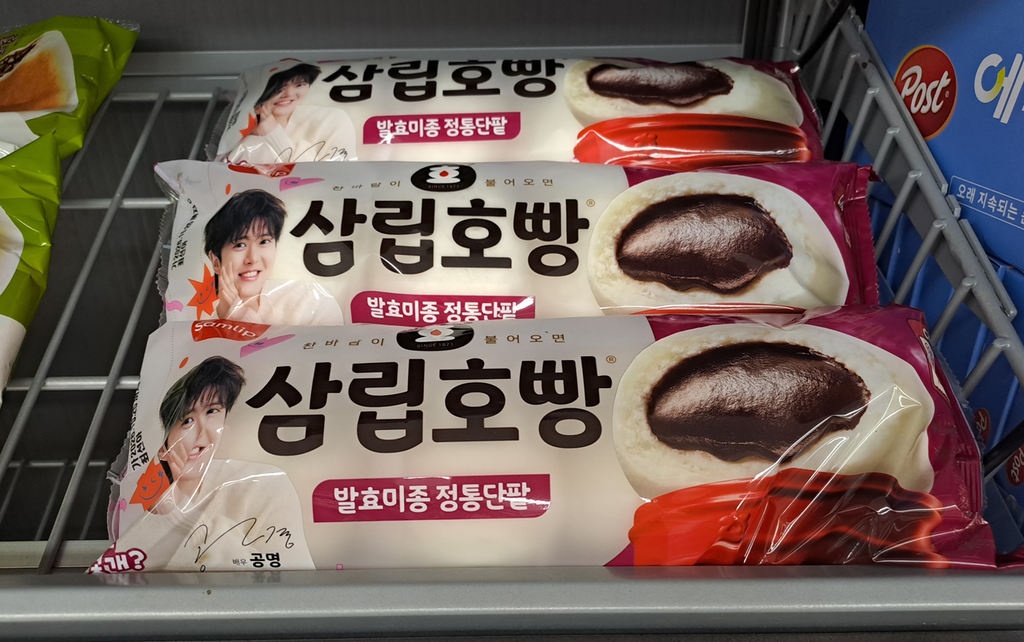
That shop steamer is still part of the winter hoppang experience. Many Korean convenience stores steam and sell Samlip Hoppang during the colder season, often from a warmer near the entrance. Flavors vary by store and season, and limited-edition varieties may appear alongside familiar ones.
At home, people used to warm hoppang in a rice cooker, letting the steam soften the bun. It’s a familiar memory for many people who grew up eating it. These days, the microwave is a quick and convenient option. Follow the package instructions, since heating times can differ by product.
Tips for Trying Jjinppang and Hoppang
- Start with red bean for the classic sweet version.
- Try a regional variety such as Hwangdun’s rice or sweet potato buns, or Gachang’s generously filled buns.
- Take a small first bite. The filling may be hotter than the dough.
- Check whether a packaged bun needs heating. Some products are sold frozen or require reheating.
Read Next
Hotteok (호떡): Korea’s Sweet Winter Street Snack –
Bungeoppang (붕어빵): Korea’s Beloved Fish-Shaped Pastry –