
Drinking Rounds: Icha (이차) and Samcha (삼차)
In Korean nightlife, people may talk about icha and samcha. Ilcha (일차) means first round, icha (이차) means second round, and samcha (삼차) means third round. A group may begin with dinner and drinks at a barbecue restaurant, move to a pub for beer, then go to karaoke, another bar, or late-night food. Not every drinking night has multiple rounds. Many people stop after one place. But in lively groups, especially with friends or coworkers, moving to a second place is common. If you do not want to continue, it is okay to leave politely. The timing matters. It is better not to disappear suddenly. Say thank you, explain briefly, and leave respectfully.
You can say:
Meonjeo deureogagetseumnida (먼저 들어가겠습니다).
This means, “I will head home first.”
Or:
Oneul jeulgyeowotseumnida (오늘 즐거웠습니다).
This means, “I had a good time today.”
Leaving early can be delicate in formal groups, but it is better than drinking too much and becoming uncomfortable. Modern Korean drinking culture is increasingly accepting of people going home earlier. A good drinker knows when to leave.
Pouring Order and Attention
At a Korean drinking table, pay attention to people’s glasses. If you are younger or junior in a formal setting, you may pour for elders or seniors first. If someone senior pours for you, receive respectfully. If the host’s glass is empty, offering to pour can be polite. However, do not obsessively refill someone’s glass if they are trying to slow down. Good manners include noticing whether someone actually wants more.
There is a difference between attentiveness and pressure.
Attentiveness says, “Would you like more?”
Pressure says, “You must drink more.”
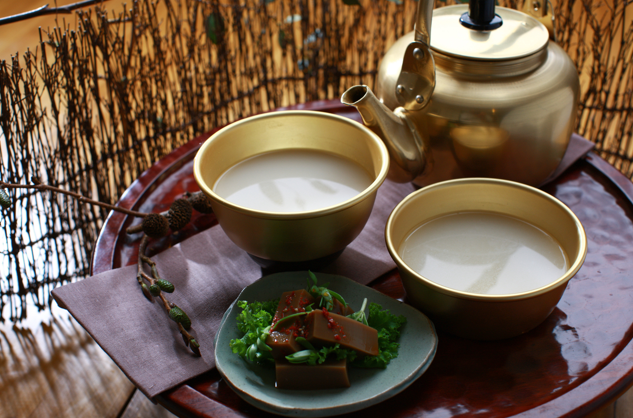
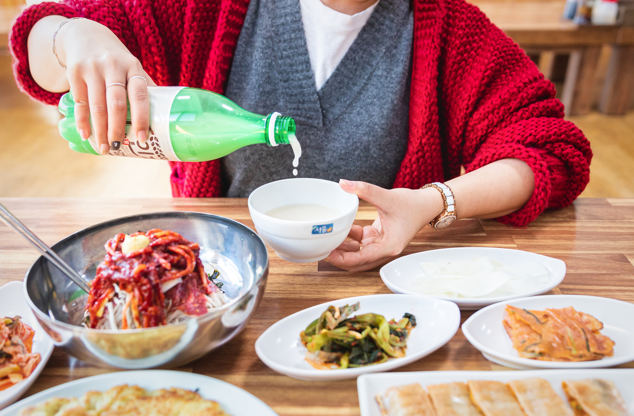
Good judo chooses attentiveness. When pouring, do not overfill the glass. Soju glasses are usually filled comfortably, not overflowing. Beer may be poured with foam depending on style, but avoid messy pouring. Makgeolli should be poured carefully because it can spill if shaken too much. Pouring is a small skill, but it matters. A neat pour feels respectful.
Refusing a Drink Politely
Sometimes you need to refuse a drink. This can happen because you do not drink, you are driving, you are taking medication, you are tired, you have had enough, you are pregnant, you have religious reasons, or you simply do not want more alcohol. In Korea, refusing directly can sometimes feel awkward, especially with elders or seniors, but it is acceptable when done politely.
Useful phrases include:
Sul an masyeoyo (술 안 마셔요). I do not drink alcohol.
Sul jal mot masyeoyo (술 잘 못 마셔요). I cannot drink alcohol well.
Oneul-eun an masilgeyo (오늘은 안 마실게요). I will not drink today.
Jogeumman masilgeyo (조금만 마실게요). I will drink just a little.
Cheoncheonhi masilgeyo (천천히 마실게요). I will drink slowly.
Unjeon haeya haeyo (운전해야 해요). I have to drive.
Yak meokgo isseoyo (약 먹고 있어요). I am taking medicine.
You can also keep a small amount in your glass to avoid constant refills. If someone offers again, smile and politely cover the glass with your hand. Good people will respect this. If someone does not respect it, the problem is not your etiquette. The problem is their behavior.
Non-Alcoholic Options
Modern Korea has more non-alcoholic options than before. Many restaurants and bars offer soda, juice, sparkling water, non-alcoholic beer, tea, coffee, or soft drinks. Younger generations are more open to people not drinking. Some people join drinking gatherings but drink soda or water. At a group meal, you can still participate socially without alcohol. You can join the toast with a soft drink. You can eat anju, talk, laugh, and pour drinks for others if comfortable. Drinking alcohol is not the only way to belong. If someone asks why you are not drinking, a simple explanation is enough. You do not need to over-explain personal reasons. Korean drinking culture is changing, and non-drinkers are becoming more visible. A respectful table should include them comfortably. The future of good judo includes non-drinkers too.
Becoming Drunk
In Korean drinking culture, people may tolerate some looseness after drinking, especially among friends. But becoming too drunk and making others uncomfortable is bad manners.
Good judo includes knowing your limit.
Do not shout aggressively.
Do not insult people.
Do not touch people without consent.
Do not pressure others.
Do not damage restaurant property.
Do not make staff uncomfortable.
Do not disappear without telling your group.
Do not expect others to take care of you every time.
If someone in the group becomes too drunk, friends may help them get home safely, call a taxi, or contact someone. This kind of care is common, but it should not be abused. Alcohol can create closeness, but it can also create harm. Good etiquette is not only about pouring correctly. It is also about behaving responsibly. A person with good judo can drink without damaging the atmosphere.
Taxi and Going Home
After drinking in Korea, people often take taxis, public transportation, or call a designated driver service if they came by car. Driving after drinking is dangerous and illegal. Do not do it. If you are drinking, plan how to get home. Korea has taxis, buses, subways in major cities, and designated driver services known as daeri unjeon (대리 운전), where a driver comes to drive your car home for you. In group settings, people may ask how others are getting home. This can be part of care. Friends may help each other find a taxi or check whether someone arrived safely.
If you are leaving first, say goodbye properly. Do not vanish.
A simple phrase is:
Meonjeo galgeyo (먼저 갈게요).
This means, “I will go first.”
Or more politely:
Meonjeo deureogagetseumnida (먼저 들어가겠습니다).
This means, “I will head home first.”
Ending well is part of drinking etiquette too.
The table does not end when your glass is empty. It ends when everyone gets home safely.
Drinking at Korean Homes
Drinking at a Korean home can be more intimate than drinking at a restaurant.
If you are invited to a home, follow the host’s rhythm. Do not open alcohol without permission. If the host offers a drink, receive politely. If elders are present, use both hands. If you cannot drink, explain politely.
Home drinking often involves food such as jeon, fruit, grilled meat, stew, dried snacks, or special dishes. The host may encourage you to eat more. Accepting some food and showing appreciation is polite.
Say:
Jal meokgetseumnida before eating, and jal meogeotseumnida after the meal. If alcohol is served, the same drinking manners apply: pour for others, receive with both hands when appropriate, do not drink too quickly in front of elders, and do not pressure anyone. At home, alcohol may feel warmer and more personal. It may be connected to family stories, holiday meals, or long conversations. Respect the space. You are not only drinking. You are being welcomed.
Drinking at Korean Restaurants and Pubs
In restaurants and pubs, drinking etiquette depends on the type of place. At barbecue restaurants, soju and beer are common. People drink while grilling and eating. At traditional taverns, makgeolli and jeon are common. At fried chicken restaurants, beer is common. At seafood restaurants, soju may be paired with raw fish or spicy seafood stew. At modern bars, cocktails, whiskey, wine, and craft beer may appear.
Each setting has its own mood.
A soju table with elders may be formal.
A chicken-and-beer night with friends may be casual.
A makgeolli tavern may be relaxed and rustic.
A hotel bar may follow more global manners.
A company dinner may involve hierarchy.
A date may be personal and careful.
Good judo changes with the place.
Do not treat every drinking situation the same. Observe the table, the people, and the mood. Then adjust.
This flexibility is more important than memorizing one fixed rule.
Common Mistakes Foreign Visitors Make
The first common mistake is pouring only for yourself in a formal setting. Korean drinking culture often expects people to pour for one another.
The second mistake is receiving a drink from an elder with one hand while acting too casual. In formal situations, use both hands.
The third mistake is drinking directly facing an elder during the first drink. Turning slightly away is more respectful.
The fourth mistake is filling your own soju glass repeatedly without noticing others.
The fifth mistake is pressuring others to drink because you think that is Korean culture. That is not good etiquette.
The sixth mistake is not eating enough anju and becoming drunk too quickly.
The seventh mistake is clinking glasses with an elder while holding your glass higher than theirs. Lower your glass slightly as a sign of respect.
The eighth mistake is assuming every Korean drinking situation is formal. Friends may be very relaxed.
The ninth mistake is assuming every Korean drinking situation is casual. Work dinners and elder gatherings may still be formal.
The tenth mistake is disappearing without saying goodbye.
The eleventh mistake is thinking good drinking etiquette means drinking a lot. It does not.
The twelfth mistake is not knowing how to refuse politely.
Most mistakes are easy to avoid if you observe, use both hands when appropriate, and drink responsibly.
Useful Korean Drinking Phrases
Here are useful Korean phrases for drinking situations.
Geonbae (건배). Cheers.
Sul (술). Alcohol.
Soju (소주). Korean distilled liquor, commonly served in small glasses.
Maekju (맥주). Beer.
Makgeolli (막걸리). Korean cloudy rice wine.
Somaek (소맥). Soju and beer mixed together.
Anju (안주). Food eaten with alcohol.
Hoesik (회식). Company dinner or work gathering.
Judo (주도). Drinking etiquette.
Sul an masyeoyo (술 안 마셔요). I do not drink alcohol.
Sul jal mot masyeoyo (술 잘 못 마셔요). I cannot drink alcohol well.
Jogeumman masilgeyo (조금만 마실게요). I will drink just a little.
Cheoncheonhi masilgeyo (천천히 마실게요). I will drink slowly.
Oneul-eun an masilgeyo (오늘은 안 마실게요). I will not drink today.
Unjeon haeya haeyo (운전해야 해요). I have to drive.
Yak meokgo isseoyo (약 먹고 있어요). I am taking medicine.
Gwaenchanseumnida (괜찮습니다). It is okay, or no thank you.
Ttaradeurilkkayo (따라드릴까요)? Shall I pour for you?
Jom deo deurilkkayo (좀좀 더 드릴까요)? Would you like a little more?
Meonjeo galgeyo (먼저 갈게요). I will go first.
Oneul jeulgyeowotseumnida (오늘 즐거웠습니다). I had a good time today.
These phrases are enough for most basic drinking situations. You do not need perfect Korean to be polite. Even simple words with respectful gestures can make the table warmer.
Modern Korean Drinking Etiquette Is Changing
Korean drinking culture is changing.
In the past, drinking could be heavily tied to hierarchy, company culture, and social pressure. Some people felt they had to drink even when they did not want to. Some company dinners lasted too long. Some younger people felt uncomfortable refusing drinks from seniors.
Today, many Koreans are more aware of healthy boundaries. More people drink less, choose non-alcoholic drinks, avoid forced hoesik, leave earlier, or refuse alcohol openly. Companies are changing too, although not everywhere at the same speed. Younger generations often prefer casual drinking with friends over heavy mandatory drinking with coworkers.
This means Korean drinking etiquette has two layers.
The traditional layer values respect, hierarchy, pouring manners, and group harmony.
The modern layer values personal choice, consent, health, and comfort.
Good judo today should include both.
Respect elders, but do not force juniors.
Pour politely, but do not pressure.
Join the toast, but know your limit.
Enjoy soju, beer, makgeolli, or traditional liquor, but respect people who do not drink.
This is the healthier future of Korean drinking culture.
A Simple Korean Drinking Etiquette Experience for First-Time Visitors
For a first-time visitor, the best way to approach Korean drinking etiquette is simple.
If you are drinking with elders or seniors, wait for the first drink. When someone pours for you, hold your glass with both hands. If you pour for someone older, use both hands. When you drink in front of an elder, turn slightly to the side. When you toast, say geonbae, and if clinking glasses with someone senior, hold your glass slightly lower.
Do not pour only for yourself in a formal setting. Watch other people’s glasses and offer to pour when appropriate. Eat anju while drinking. Drink water. Know your limit. If you cannot drink, say so politely. If someone does not want to drink, respect them.
Remember that Korean drinking etiquette is not about drinking the most.
It is about drinking with awareness.
The glass is small, but the manners around it are meaningful.
Pouring, receiving, turning, toasting, eating, refusing, leaving safely, and thanking the people at the table are all part of judo.
If you understand that, you will understand Korean drinking culture much more deeply.
Korean alcohol is not only in the bottle.
It is in the relationship between the people holding the glasses.
Read Next
Korean Drinking Etiquette: Pouring Manners
10 Korean Restaurant Tips Every First-Time Visitor Should Know –

Pingback: Korean Drinking Etiquette: Pouring Manners
Pingback: Korean Dining Etiquette: How to Eat Respectfully at Tables