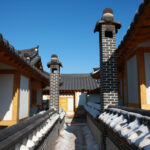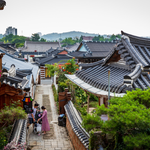

In South Korea, people generally take off their shoes before entering a home. Outdoor shoes are left at the entrance, and people walk around indoors in socks, barefoot, or in indoor slippers.
This custom is closely connected to traditional Korean housing and everyday life. Although the way Koreans live has changed considerably, taking off outdoor shoes indoors remains a common practice.
Why Do Koreans Take Off Their Shoes?
Outdoor shoes can carry dust, dirt, and other substances from streets and sidewalks into the home. In Korea, removing shoes at the entrance is also closely connected to traditional housing and the way people have used their living spaces.
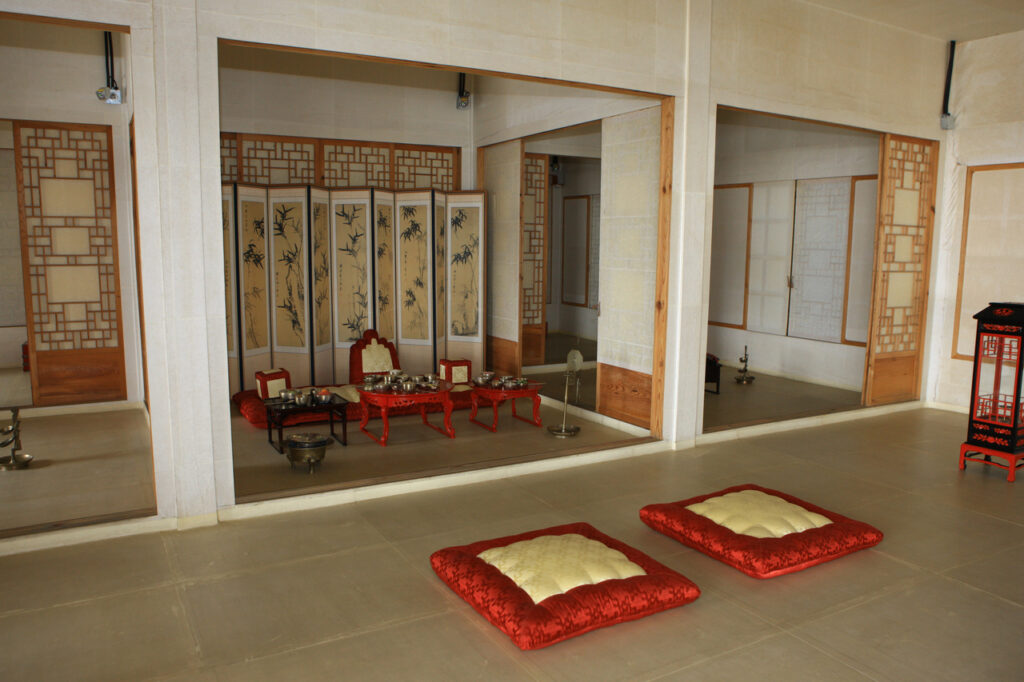
In the past, Korean families commonly sat on the floor to eat, spend time together, and relax. Many people also slept on bedding placed directly on the floor instead of using a bed.
Traditional underfloor heating, called ondol (온돌), made this lifestyle comfortable, especially during the cold winter months. The floor was not simply a surface for walking; it was used for eating, resting, socializing, and sleeping.
Korean lifestyles have changed over time. Beds, dining tables, and sofas are now common in modern homes, and people generally spend less time sitting directly on the floor than previous generations did. However, underfloor heating is still widely used, and some families continue to sit on the floor or sleep on floor bedding.
Because of this history and the continued use of the floor as part of the living space, keeping indoor floors clean remains important. This is one of the main reasons the custom of removing outdoor shoes at the entrance continues today.
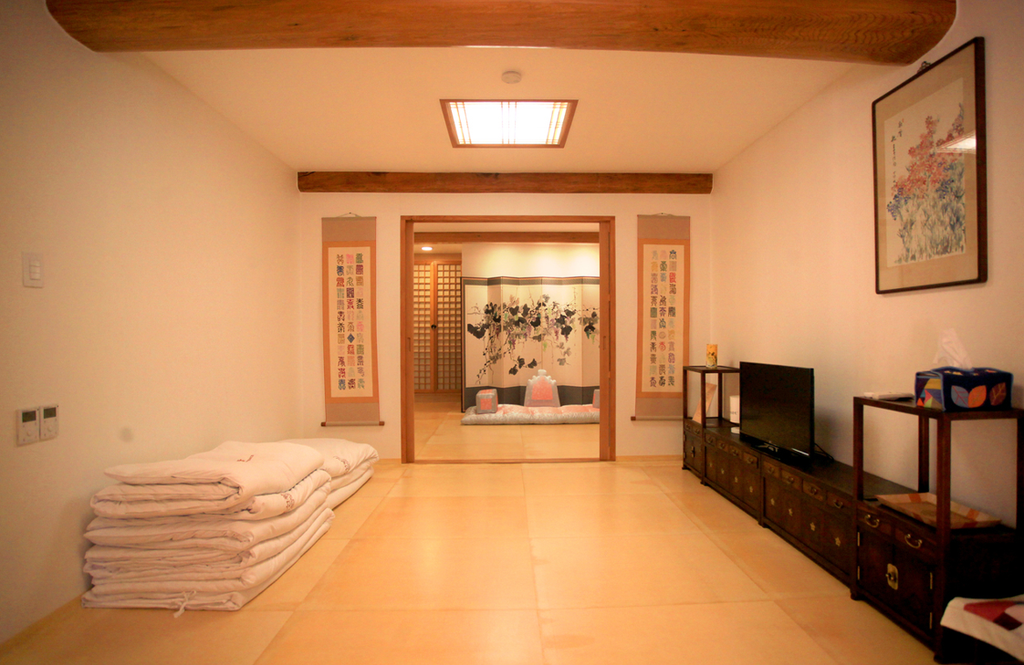
Photo: Korea Tourism Organization
Where Do You Leave Your Shoes?
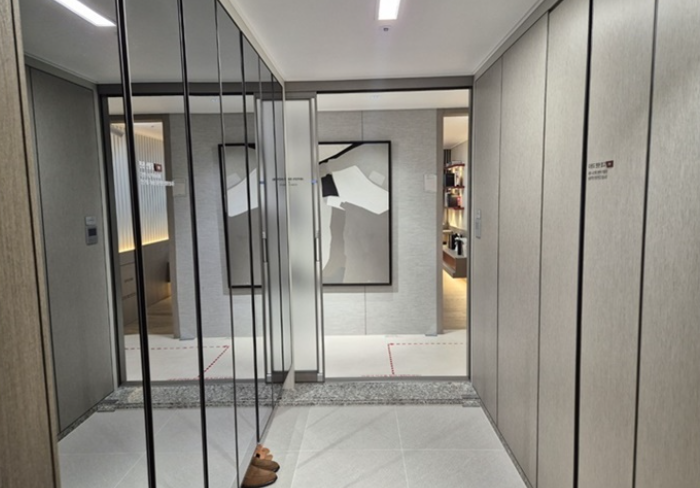
Most Korean homes have an entrance area called the hyeongwan (현관), which separates the outside from the main living area.
Shoes are usually placed on a shoe rack or neatly beside the entrance. In many Korean apartments, the entrance floor is slightly lower than the main indoor floor, making the boundary between the outside and inside easy to recognize.
When visiting a Korean home, remove your outdoor shoes before entering the main living area. Your host may offer you indoor slippers, but wearing socks or going barefoot is also common.
Do Koreans Wear Slippers Indoors?
Many Korean households use indoor slippers, called silnae-hwa (실내화). Some people wear them for warmth and comfort, while others prefer socks or bare feet.
Bathrooms may have a separate pair of slippers called yoksil-seullipeo (욕실 슬리퍼). These are designed for wet bathroom floors and are generally kept in the bathroom rather than being worn throughout the home.
If you visit a Korean home, simply follow your host’s example.
Do You Have to Take Off Your Shoes Everywhere?
No. The footwear rules depend on the type of place and its layout.
- Private homes: Outdoor shoes are generally removed at the entrance.
- Traditional Korean houses (hanok, 한옥): Shoes must be removed before entering indoor living areas.
- Restaurants: Most modern restaurants allow customers to keep their shoes on. Some traditional restaurants and restaurants with floor seating require shoes to be removed.
- Hotels and guesthouses: Rules vary. Traditional guesthouses may require guests to remove their shoes at the entrance, while standard hotels generally have different arrangements.
- Schools and other facilities: Some require separate indoor shoes or slippers, while others allow outdoor footwear.
If you see shoes lined up outside a room or entrance, check whether you are expected to remove yours. When in doubt, ask the staff or your host.

Photo: Korea Tourism Organization
What If You Accidentally Wear Shoes Inside?
If you accidentally walk into a Korean home wearing outdoor shoes, simply apologize and take them off. Most people will understand that visitors from other countries may not be familiar with this custom.
The main rule to remember is simple: outdoor shoes generally stay at the entrance of a Korean home.
Although Korean homes and lifestyles have become more modern, the practice of removing outdoor shoes indoors remains an important part of everyday life in Korea. It reflects both the country’s traditional floor-based lifestyle and the continued importance of keeping indoor living spaces clean.
Read Next
Korean Floor Heating (Ondol): How It Works in Korean Homes –