
How Korea’s Holiday System Works
Korea’s public holidays are set by the government under the “Regulations on Public Holidays of Government Offices” (관공서의 공휴일에 관한 규정). The system follows a few simple rules.
- Sundays are always holidays. Every week has at least one red day.
- National days (국경일, five of them) are fixed dates that celebrate the country’s identity and founding: Independence Movement Day (March 1), Constitution Day (July 17), Liberation Day (August 15), National Foundation Day (October 3), and Hangeul Day (October 9).
- Legal public holidays (법정공휴일) form a wider set. On top of the national days, they include New Year’s Day, Seollal, Children’s Day, Buddha’s Birthday, Memorial Day, Labor Day, Chuseok, and Christmas.
- Three holidays follow the lunar calendar. Seollal, Buddha’s Birthday, and Chuseok shift on the solar calendar every year.
- When a holiday falls on a weekend, the substitute holiday system (대체공휴일) gives the next weekday off, so no red day is ever wasted.
The Holidays, One by One (in Calendar Order)
New Year’s Day (January 1) — The first day of the solar new year. It is a quieter holiday compared to Seollal; many people spend time with family or make plans for the year ahead.
Seollal (Lunar New Year, 1st day of the 1st lunar month; roughly January–February on the solar calendar) — One of Korea’s two biggest holidays. Families gather in their hometowns to hold the ancestral rite called charye, and children bow to their elders in the custom of sebae. There is a saying that you only turn a year older after eating tteokguk, the sliced rice-cake soup, so finishing that bowl is the ritual of the new year. Elders give children New Year’s money, and highways and train stations fill with the famous “great migration” of holiday travelers.
Seollal (설날): Korea’s Lunar New Year – Kimbap Life
Independence Movement Day (March 1) — A day commemorating the March 1st Independence Movement of 1919 against Japanese colonial rule. Taegeukgi flags are raised across the country.
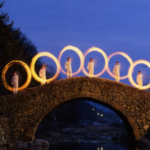
Buddha’s Birthday (8th day of the 4th lunar month; roughly April–May on the solar calendar) — The birthday of Shakyamuni Buddha. Temples and streets across the country glow with colorful lotus lanterns, and many people visit temples to light their own.
Buddha’s Birthday (부처님오신날): Korea’s Celebration of Light – Kimbap Life
Labor Day (May 1) — A day honoring the work of laborers. It was designated a public holiday starting in 2026, and in 2026 it falls on a Friday, creating a three-day weekend.
Children’s Day (May 5) — A day for children. Families head out to amusement parks and parks together, and children receive gifts.
Memorial Day (June 6) — A day to honor those who gave their lives for the nation. The flag is flown at half-mast, and many people visit the national cemetery.
Constitution Day (July 17) — The day the Constitution of the Republic of Korea was promulgated in 1948. It was removed from the public holiday list in 2008 and became a day off again starting in 2026.
Liberation Day (August 15) — The day Korea was liberated from Japanese colonial rule in 1945. Taegeukgi flags line the streets as the nation celebrates its freedom.
Gwangbokjeol (광복절): What Korea’s Liberation Day Actually Marks on August 15
Chuseok (15th day of the 8th lunar month; roughly September–October on the solar calendar) — Also called Hangawi, this is the harvest thanksgiving holiday. Families eat songpyeon made from the season’s new rice, hold charye for their ancestors, and visit their family graves. Along with Seollal, it is one of the biggest holidays, so the whole country rests and families come together.
Chuseok (추석): Korea’s Harvest Festival – Kimbap Life
National Foundation Day (October 3) — The day in 2333 BCE when Dangun is said to have founded Gojoseon, the first Korean kingdom. It is one of the national days, and Taegeukgi flags are raised on this day as well.
Gaecheonjeol (개천절): Korea’s National Foundation Day – Kimbap Life
Hangeul Day (October 9) — A day commemorating King Sejong’s promulgation of Hunminjeongeum, the original script of Hangeul, in 1446. It is a national day that celebrates the value of the Korean language and alphabet.
Hangeul Day (한글날): Korea’s Celebration of Its Alphabet – Kimbap Life
Christmas (December 25) — The celebration of the birth of Jesus Christ. Streets and cafés glow with twinkling decorations, and couples and families spend time together.
Ordering note: The holidays run from January (New Year’s Day) to December (Christmas) in calendar order. The three lunar-based holidays — Seollal, Buddha’s Birthday, and Chuseok — are placed in their approximate solar-calendar windows, since their exact dates change every year.