

The rat may be small, but in the Korean zodiac it holds the first place. Known as jwi (쥐), it is traditionally associated with cleverness, diligence, fertility, good fortune, and abundance. Folktales also portray the rat as resourceful: it survives by noticing danger and making the most of difficult circumstances. These are traditional beliefs and symbols, not predictions about every person born in a Rat year.
Quick Facts About the Rat
- Korean name: 쥐 (jwi)
- Zodiac sign: Ja (자, 子)
- Position: First of the twelve zodiac animals
- Traditional associations: Cleverness, diligence, fertility, fortune, and abundance
- Birth Years: 1936 · 1948 · 1960 · 1972 · 1984 · 1996 · 2008 · 2020
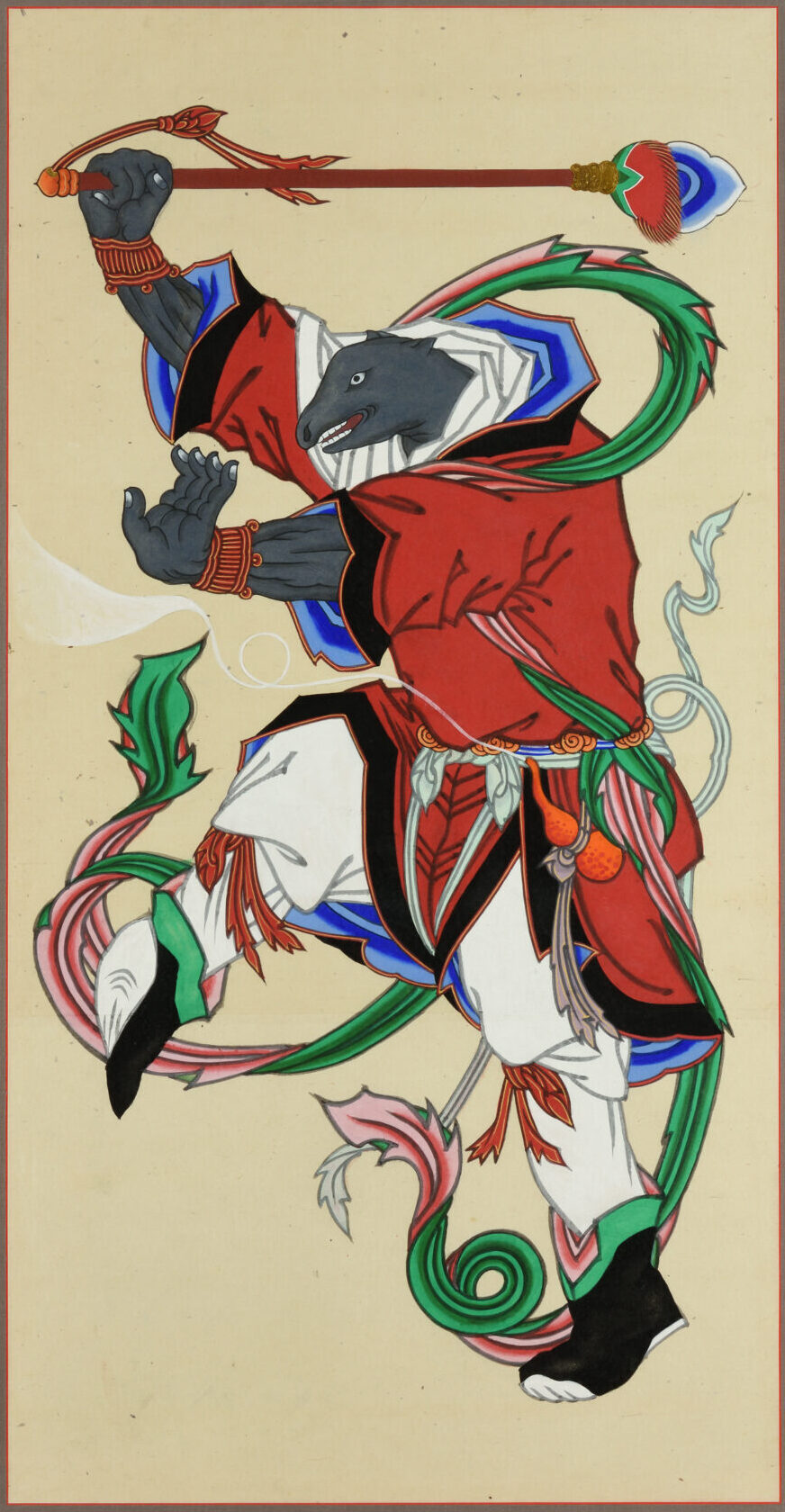
Photo: National Folk Museum of Korea
Why Is the Rat First?
A well-known Korean folktale explains how the rat took first place. The King of Heaven announced that the animals would receive their ranks according to the order in which they reached the heavenly gate on Lunar New Year’s Day. The ox trained especially hard. Knowing it could not win a race on its own, the small rat climbed onto the ox’s back and rode with it. When the ox reached the gate first, the rat jumped down at the last moment and crossed the threshold ahead of it. The ox came second, and the rat became the first of the twelve zodiac animals. The story presents the rat as quick-thinking and opportunistic. It wins through cleverness rather than strength. Like many folk tales, versions of the story can differ.
What the Rat Symbolizes
Rats can damage crops and food stores, but their ability to find food and survive in challenging conditions also made them powerful symbols in folk culture. Their quick movements and alertness were sometimes seen as signs that they could sense danger. The rat’s ability to reproduce was associated with fertility and abundance. In traditional interpretations, a Rat year could therefore suggest plentiful food, good fortune, and new opportunities. These associations reflect people’s hopes for the year ahead rather than a guarantee of what will happen.
The Rat and the Zodiac Calendar
The Korean zodiac has twelve animals, each paired with one of the twelve earthly branches. The rat is paired with ja (자, 子) and appears first in the cycle. The animals are also associated with directions and times of day; jasi (자시), the Rat hour, traditionally runs from 11 p.m. to 1 a.m.
The twelve-animal cycle repeats every twelve years. At the beginning of a new year, people have traditionally looked to that year’s zodiac animal for symbolic meanings and hopes for the months ahead. In Korea, people also used zodiac animals to interpret the personality or fortune of a child born in a particular year. Such interpretations are part of folk belief, and they have varied by place and period.
The Rat in Korean Folk Art
Zodiac animals appear in many forms of Korean art and folk culture. The rat may be shown as an ordinary animal or as a guardian figure with an animal’s head and a human body. These images reflect how zodiac animals could represent both the calendar and protective spiritual beings. The National Folk Museum of Korea describes the zodiac animals as guardians associated with time and direction.
The Rat’s place at the beginning of the cycle gives it a distinctive role in Korean zodiac stories. Its small size, alertness, and cleverness have made it a lasting symbol of resourcefulness and the hope for a prosperous year. The meanings attached to zodiac animals can differ across communities and traditions, so they are best understood as part of Korea’s rich folklore rather than as fixed rules.
Read Next
Dream Interpretation in Korean Culture: Lucky and Unlucky Dreams –

