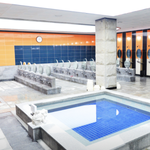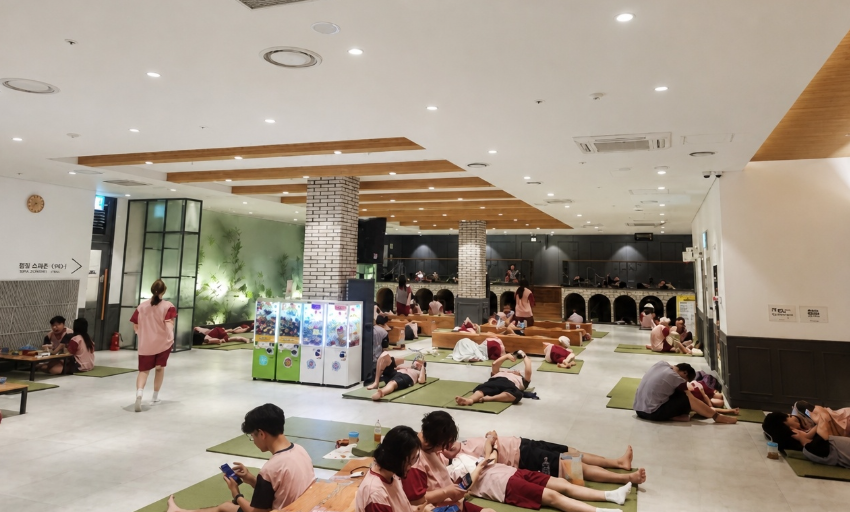

A jjimjilbang (찜질방) is a Korean leisure facility where visitors can bathe, relax in heated rooms, eat, and spend time together. Unlike a neighborhood mokyoktang (목욕탕), which focuses mainly on washing and soaking in baths, a jjimjilbang usually has a shared area where men and women wear provided clothes. Some jjimjilbangs are simple and local, while others are large complexes with restaurants, sleeping areas, and entertainment facilities. The exact rooms, hours, and services vary, but the basic routine is easy to learn.
Quick Facts About Jjimjilbang
- Korean name: 찜질방 (jjimjilbang)
- What it is: A Korean sauna and relaxation facility
- Typical areas: Gender-separated bathing areas and shared, clothed spaces
- What visitors wear: A T-shirt and shorts or another set of clothes provided by the facility
- Popular snacks: Roasted eggs (maekbanseok gyeran, 맥반석 계란) and sikhye (식혜), a sweet rice drink
- Hours: Some stay open overnight, but hours vary by facility
What Does “Jjimjilbang” Mean?
The word combines jjimjil (찜질), which refers to warming or heating the body, and bang (방), meaning “room.” Today, a jjimjilbang is more than a set of hot rooms. It is a place to bathe, rest, eat, and enjoy leisure activities under one roof. Many facilities have hot rooms made with materials such as red clay, charcoal, salt, or heated stone. The temperature and room selection differ, and some places also offer cooler rooms for resting between sessions. These heated rooms draw on Korea’s longstanding appreciation of warm floors and heated spaces, including the ondol (온돌) floor-heating tradition.
Jjimjilbang and Mokyoktang: What’s the Difference?
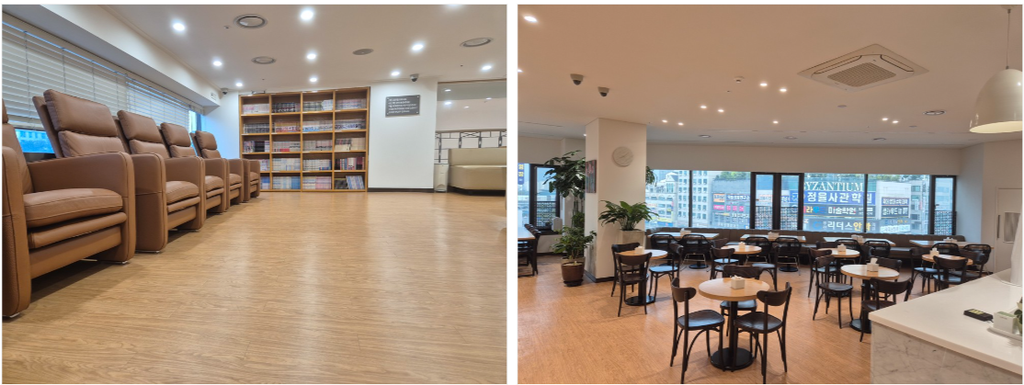
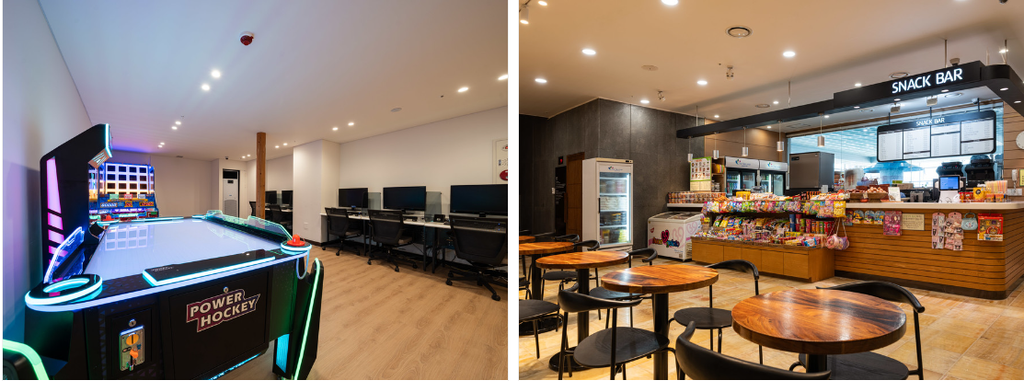
A mokyoktang is mainly a bathing facility: visitors wash and soak in gender-separated bathing areas. A jjimjilbang usually includes those bathing facilities plus a large shared area where men and women can relax together in provided clothes. Many jjimjilbangs have several themed heated rooms, snack bars, and places to rest. Some also offer sleeping areas, massage chairs, game rooms, or other paid services. Not every facility has the same amenities.
What to Do at a Jjimjilbang
Use the Bathing Area
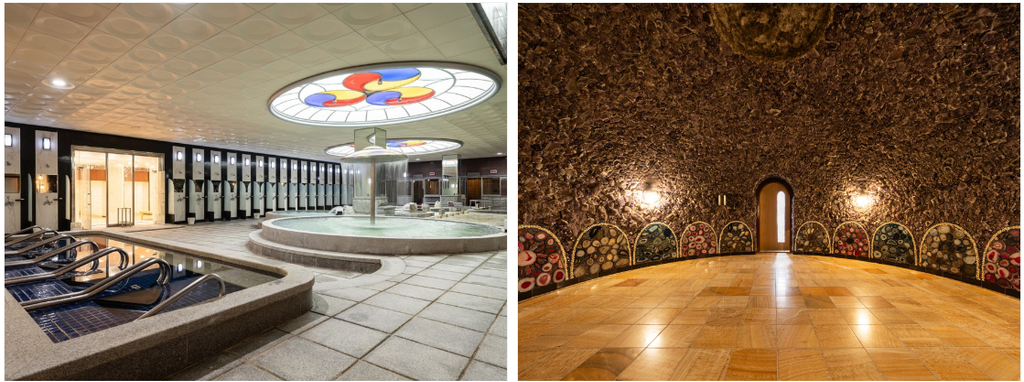
After paying, visitors usually go first to a gender-separated changing room. This is where you undress, store your belongings, and use the bathing area. In the bathing area, people generally bathe nude, as they do at a mokyoktang. Shower before entering a shared tub. After bathing, dry off and change into the T-shirt and shorts provided for the shared jjimjilbang area.
Try the Themed Heated Rooms
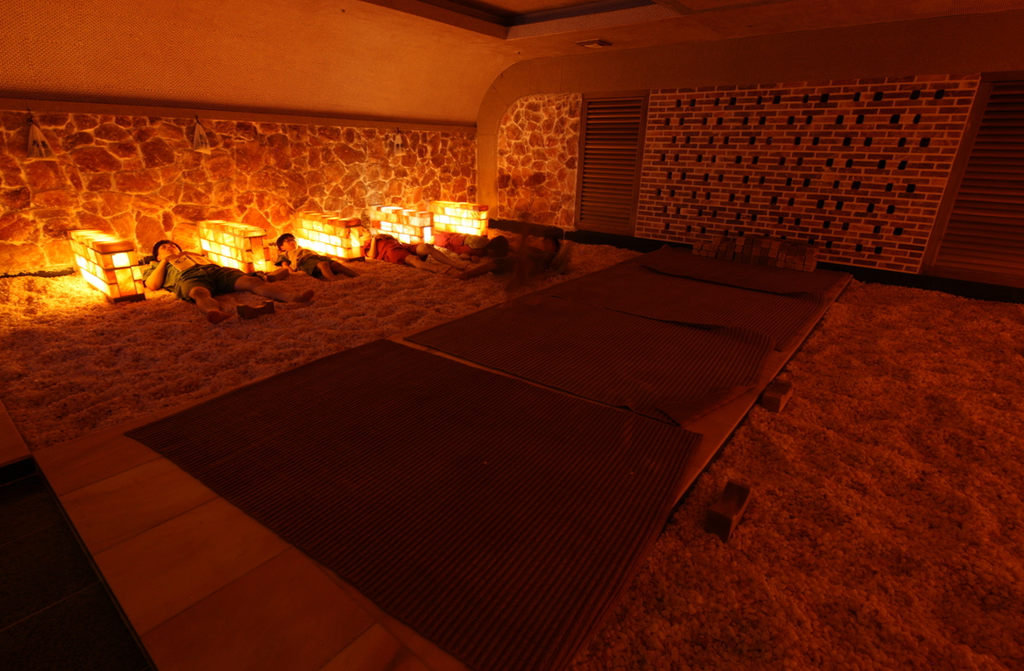
Photo: Korea Tourism Organization
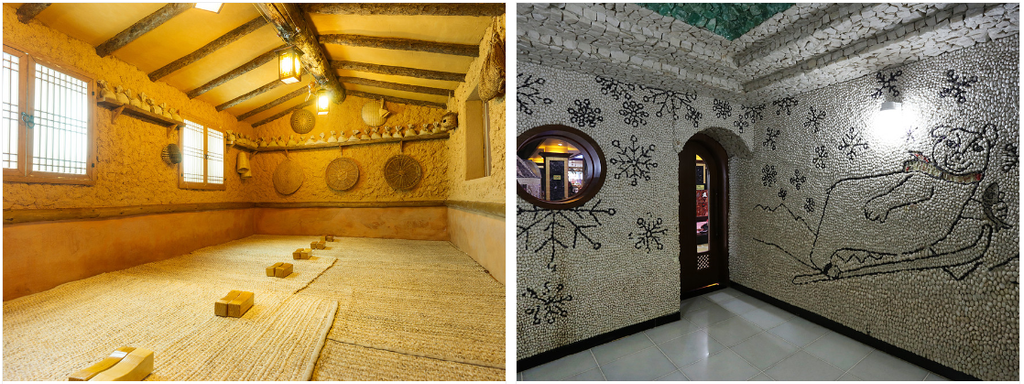
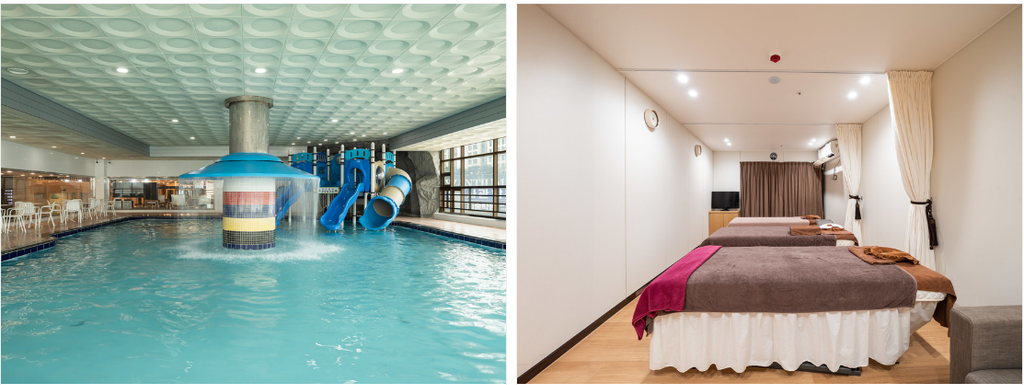
The shared area may include rooms with different temperatures and materials, such as red clay, salt, charcoal, or heated stone. Start with a cooler room if you are new to the experience, then choose another room if you feel comfortable. Leave and cool down if you feel unwell. Some modern facilities add distinctive rooms or attractions, such as media-art spaces, pools, or outdoor areas. These are more common at larger complexes and are not part of every jjimjilbang.
Relax in the Shared Area
Between heated rooms, visitors rest on the floor or in common lounge areas. You may see families, friends, couples, and solo visitors spending several hours together. The shared space is one of the features that makes a jjimjilbang different from a simple sauna. Some facilities also have sleeping rooms or quiet areas. These are shared spaces, so keep your voice low and follow any posted rules.
Try the Snacks
Two classic jjimjilbang snacks are roasted eggs and sikhye. The eggs are often called maekbanseok gyeran—literally, eggs baked on heated stone. Sikhye is a sweet Korean rice drink served cold. The combination is familiar to many Koreans as a sauna snack. Depending on the facility, you may also find cup noodles, tteokbokki (떡볶이), gimbap (김밥), drinks, ice cream, or full meals. Food options vary: small jjimjilbangs may have a simple snack counter, while large complexes may have a bigger dining area.
Make a Ram-Horn Towel Hat
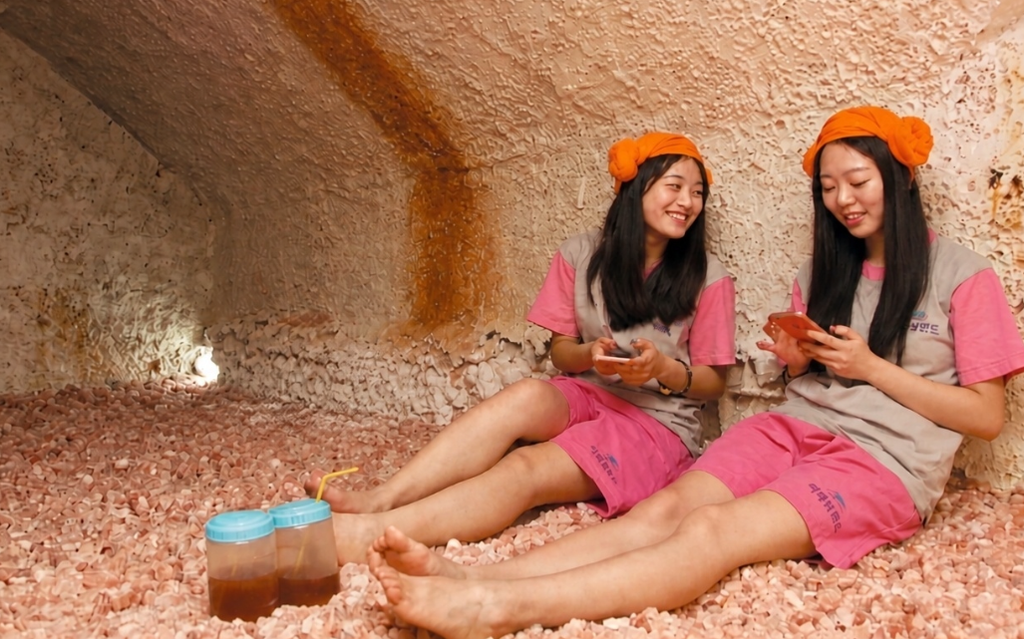
A familiar sight in Korean TV shows is a towel folded into a shape that looks like two ram’s horns. People sometimes wear it on their head while relaxing in the shared area. It is a playful jjimjilbang tradition and a popular photo opportunity.
How to Visit a Jjimjilbang
1. Pay the admission fee
Admission usually covers access to the main facilities, but prices and what is included vary. Some places may charge extra for services, food, or a longer stay. Check the facility’s current information before you visit.
2. Put your shoes and belongings away
Follow the signs to the shoe lockers and changing room. You will usually receive a locker key or wristband. Keep it with you: some facilities use it to record purchases, which you pay for when you leave.
3. Bathe and change
Use the bathing area in the gender-separated section first. Wash before entering the tubs, then dry off and put on the provided clothes before going into the shared area. Towels and bath products are handled differently from place to place. A facility may provide some items, sell single-use toiletries, or ask visitors to bring their own. Check in advance if you have specific preferences.
4. Relax, eat, and enjoy the facilities
Visit the heated rooms, take breaks in the lounge, and try a snack if you like. You do not need to use every room or service; you can spend your visit simply resting in the shared area.
5. Settle any extra charges before leaving
If you used services or bought food, check how the facility handles payment. Some add purchases to the locker wristband or key, while others may ask for separate payment.
Jjimjilbang Etiquette and Practical Tips
- Wear the provided clothes in shared areas. The bathing area and the co-ed relaxation area have different dress rules.
- Shower before using the baths. This is basic etiquette for shared bathing facilities.
- Keep your locker key or wristband with you. You may need it to access your locker or pay for purchases.
- Keep noise low in sleeping areas. Other visitors may be resting.
- Follow posted rules in each room. Temperature limits, time guidance, and access rules can differ.
- Take breaks from the heat. Move to a cooler area and stop if you feel dizzy or uncomfortable.
- Check what is included in the fee. Extra services and amenities may cost more.
- Do not assume every facility is open overnight. Some operate 24 hours, while others have set closing times.
Can You Sleep at a Jjimjilbang?
Some jjimjilbangs have shared sleeping rooms or floor areas where visitors can rest overnight. This can be convenient for travelers, but it is not the same as booking a private hotel room. Sleeping areas may be bright or busy, and bedding arrangements differ. Check the facility’s rules, overnight access, and any extra charges before planning to stay.
Why Try a Jjimjilbang?
A jjimjilbang combines bathing, heated rooms, snacks, and shared relaxation in one place. It can be a fun way to spend a few hours with friends or family, and it gives visitors a look at a popular part of contemporary Korean leisure culture. For a first visit, the most memorable parts may be simple: changing into the provided clothes, trying a heated room, eating roasted eggs with cold sikhye, and seeing people relax together in the common area. Check the facility’s current details before you go, since hours, amenities, and fees vary.