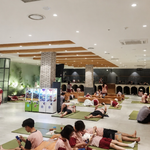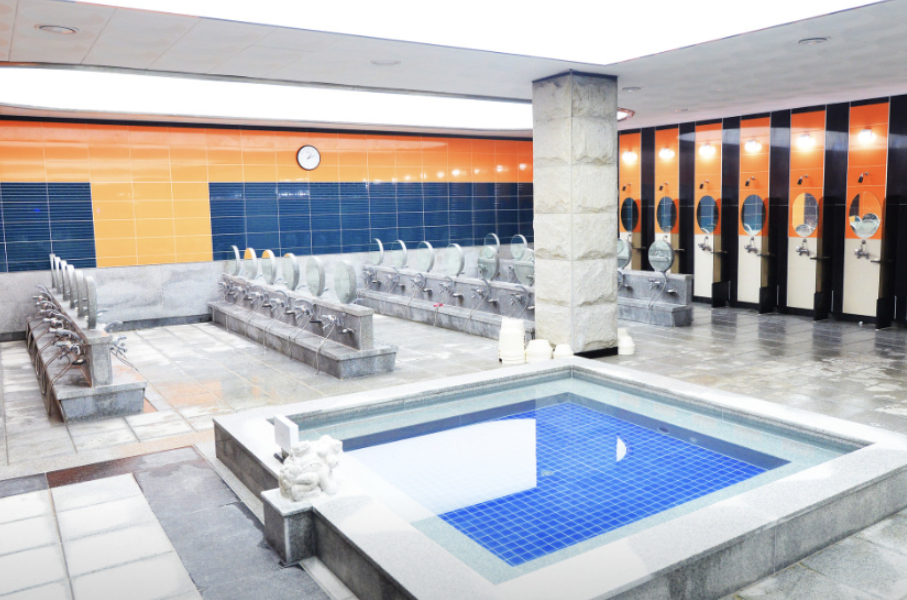

A Korean mokyoktang (목욕탕) is a place to wash, soak in hot and cold baths, and relax. For many Koreans, visiting one is a familiar part of everyday life—and a source of childhood memories. A first visit may feel unfamiliar to travelers. Bathing areas are usually separated by gender, and people bathe without swimsuits. Once you know the basic routine and etiquette, the experience is easy to follow. This article focuses on mokyoktang. Jjimjilbang (찜질방), with its larger shared relaxation areas and other facilities, is a separate topic.
Quick Facts About Korean Bathhouses
- Korean name: 목욕탕 (mokyoktang)
- What it is: A bathhouse with washing areas and shared tubs
- Bathing areas: Usually separated for men and women
- What to wear in the bathing area: Visitors generally bathe nude; swimsuits are not usually worn
- Provided at no extra charge: Towels, soap, and shampoo
- Optional service: A body scrub, called seshin (세신), may be available for an additional fee
What Is a Korean Mokyoktang?
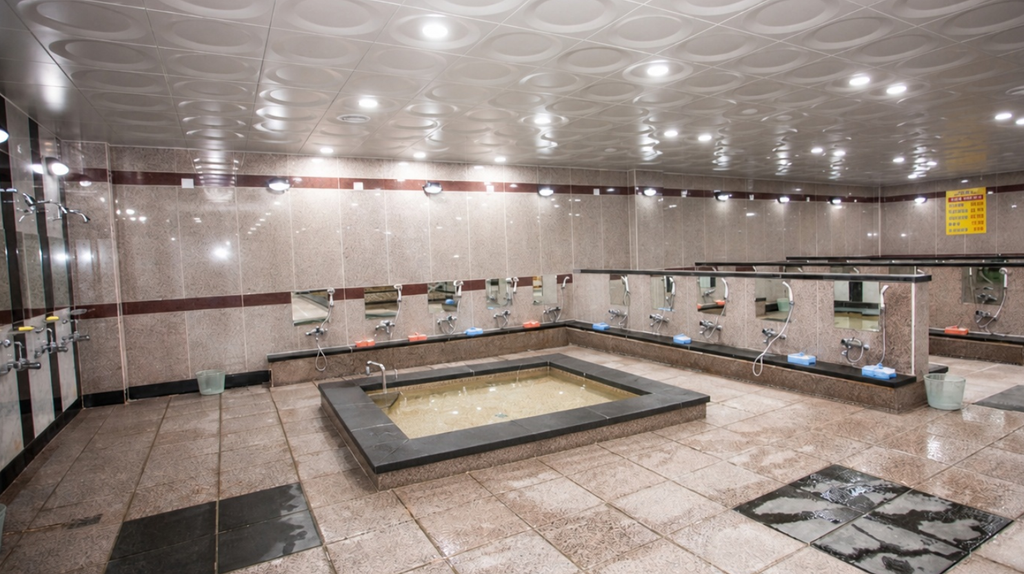
A mokyoktang has separate changing rooms and bathing areas, lockers, washing stations, and shared tubs at different temperatures. Some also have sauna rooms, though facilities vary. People visit to wash, soak, and take a break from daily routines. At neighborhood bathhouses, regular visitors may know one another, making the bathhouse a place to catch up with neighbors as well as to bathe.
A Brief History of Bathhouses in Korea
People in Korea bathed long before modern bathhouses existed. In earlier times, they washed at home or in rivers and streams, and some visited hot springs. Many older homes did not have a dedicated bathroom, so bathing at home could take extra effort. Modern bathhouses began appearing in Korean cities around the turn of the 20th century. Their growth was connected to changing ideas about hygiene, urban life, and access to bathing facilities. After liberation, population growth and wider attention to hygiene helped bathhouses become more common.
Why Are Neighborhood Bathhouses Disappearing?
Traditional neighborhood bathhouses are gradually disappearing in Korea. As private bathrooms and showers became common in homes, fewer people needed to visit a bathhouse for routine washing. Leisure habits have also changed. Meanwhile, small bathhouses face high costs for heating water, electricity, and maintenance as customer numbers decline. The COVID-19 pandemic added further pressure to many businesses.
Jjimjilbangs are still part of Korea’s bathing culture, but they offer a different, larger-scale experience. Some combine bathing areas with shared relaxation spaces and other facilities. Their presence has not prevented many small neighborhood bathhouses from closing. In Seoul, the Seoul Archives reports that 675 bathhouses were operating at the end of 2024, out of 3,930 that had received operating permits since the early 1900s. This figure is for Seoul, not the whole country.
What to Expect on Your First Visit
1. Pay and enter the changing room
Pay the admission fee at the entrance. You will usually receive a locker key or wristband. Towels are provided free of charge, and soap and shampoo are available in the bathing area.
2. Change clothes
The changing room and bathing area are usually separated by gender. Put your clothes and belongings in your assigned locker, and take only what you need into the bathing area.
3. Wash before using the tubs
Before entering a tub, wash your body thoroughly at a washing station. Bathhouses commonly provide low stools and handheld showerheads. Rinse off soap and shampoo before soaking in a shared tub. www.incheon.go.kr
4. Soak and move between tubs
You may find hot, warm, and cold tubs. Enter slowly, especially if the water feels very hot, and take a break whenever you need one. Follow any signs posted nearby.
5. Wash and get dressed
When you have finished soaking, rinse off if you wish, dry yourself, and return to the changing room. Keep wet towels and water inside the bathing area rather than carrying them through the changing room.
Korean Bathhouse Etiquette
- Bathe nude in the bathing area. Swimsuits are generally not worn in the gender-separated bathing area.
- Wash before entering a tub. This helps keep the shared water clean.
- Keep towels out of the bathwater. Place one beside the tub or on your head.
- Use a quiet voice. People may chat or relax, but avoid loud calls.
- Do not take photos. Keep cameras and phones in the changing room.
- Rinse off soap and shampoo. Use a washing station, not a communal tub.
- Follow posted instructions. Rules can differ from one facility to another.
What Is Seshin (세신)?
Seshin is a body-scrub service offered at some bathhouses. An attendant uses an exfoliating mitt to scrub away dead skin while the customer lies on a special table. The service is optional and usually costs extra. Some visitors find the scrub more vigorous than expected. If you are interested, ask about the price and service before it begins.
A Childhood Treat: Banana Milk After a Bath
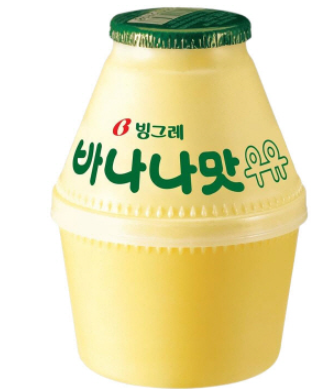
For many Koreans, a bathhouse visit brings back memories of drinking cold banana-flavored milk afterward. Parents often bought it for their children as a small treat after a bath or scrub. The sweet milk, often sold in a distinctive bottle, became part of the familiar bathhouse experience for a generation of Korean children. The custom still feels nostalgic to many adults. After a long soak, a chilled banana milk can be a simple, satisfying way to end the visit.
Mokyoktang and Jjimjilbang: What’s the Difference?
A mokyoktang is mainly for washing and soaking in tubs. A jjimjilbang usually has a larger shared area where visitors wear provided clothes, relax, eat, and spend time outside the bathing area. Some facilities combine both, but the words describe different parts of Korea’s bathing culture.
Tips for Visitors
- Towels, soap, and shampoo are provided free at the bathhouse.
- Bathing areas are usually separated by gender, and visitors generally bathe nude.
- Keep valuables in your locker.
- Follow the facility’s posted rules or ask staff if you are unsure about anything.
- Try a cold banana milk afterward if you would like to experience a familiar Korean post-bath treat.
Read Next
Korean Jjimjilbang (찜질방): Inside Korea’s 24-Hour Spa –