

In Korea, a baby’s first 100 days of life are traditionally celebrated with a special occasion called Baekil (백일). This milestone is marked by a family gathering, specially prepared food, and traditional customs that symbolize the baby’s health and future well-being. Unlike a typical birthday party, Baekil celebrates the completion of the first 100 days after birth. It is one of the important milestones in traditional Korean family culture and reflects the historical significance of a baby’s early survival.
What Is Baekil?
Baekil literally means “100 days” in Korean. The celebration takes place when a baby reaches 100 days of age. Historically, the first few months of a baby’s life were considered a particularly vulnerable period. Infant mortality was much higher in the past because of limited medical knowledge, poor hygiene, and infectious diseases. Reaching 100 days was therefore regarded as a meaningful milestone for both the baby and the family. Families celebrated this occasion by preparing special food, sharing it with relatives and neighbors, and wishing for the child’s continued health and longevity. Today, modern medical care has greatly reduced the risks associated with infancy. Nevertheless, Baekil remains a meaningful family celebration. Some families hold a small gathering at home, while others arrange a professional photo session or a celebration at a restaurant.
Traditional Food Prepared for Baekil
Food plays an important role in Baekil celebrations. Several traditional dishes are associated with this occasion, each carrying symbolic meaning.
Baekseolgi (백설기): White Rice Cake
Baekseolgi is a white steamed rice cake made from finely ground rice flour. It is one of the most recognizable foods associated with Baekil. Its pure white color traditionally symbolizes cleanliness, purity, and a healthy beginning. The soft texture also makes it suitable for a celebration centered on a young baby. Families traditionally shared baekseolgi with relatives, neighbors, and acquaintances. In some regional and family traditions, the rice cake was distributed to a number of households, reflecting the wish that the baby would grow up healthy and receive the goodwill of the community.
Red Bean Rice Cakes
Red bean rice cakes are another food associated with traditional Korean celebrations and folk beliefs. In Korean folk traditions, red beans were believed to ward off evil spirits and negative influences. They were therefore used in certain rituals and seasonal customs to protect people from misfortune. However, red bean rice cakes are not necessarily served at every Baekil celebration. The food prepared can vary depending on regional customs and family preferences.
Fruit and Other Foods
Fruit, rice cakes, and other traditional dishes may also be prepared for guests. Modern Baekil gatherings often include a variety of desserts and refreshments in addition to traditional rice cakes.
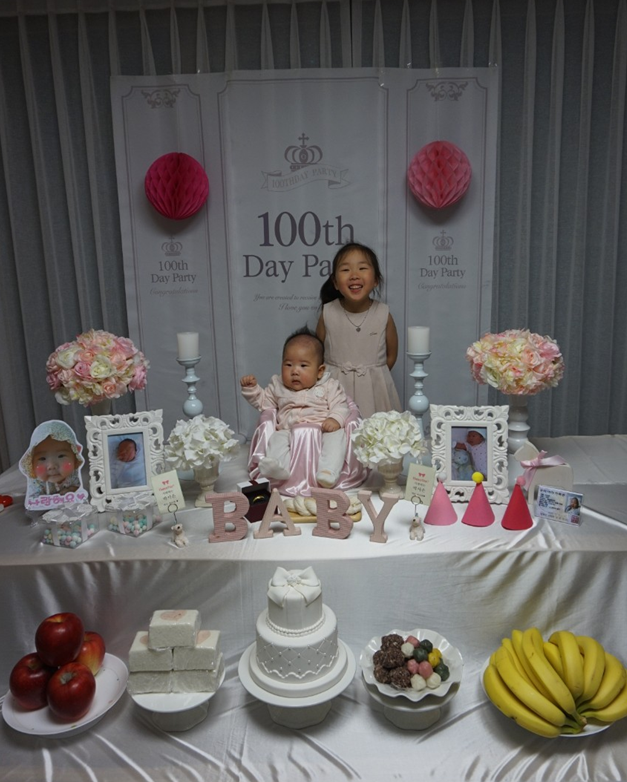
The Baekil Table
A traditional Baekil table may feature white rice cakes, fruit, and other foods prepared for the occasion. Unlike the elaborate first-birthday table used for Doljanchi, the Baekil table is generally simpler. Its main purpose is to mark the baby’s 100th day and share the celebration with family and friends. In contemporary Korea, families sometimes decorate a small table with flowers, balloons, a 100-day sign, and a birthday-style cake. The decorations are often chosen to match the baby’s name or the theme of a family photo session.
How Koreans Celebrate Baekil Today
Baekil celebrations have changed considerably over time. In the past, the occasion was closely associated with traditional food-sharing customs and family gatherings. Today, many parents celebrate it in a more personal and modern way.
Common ways to celebrate include:
- Holding a small family gathering at home
- Ordering a Baekil rice cake set from a traditional rice cake shop
- Taking commemorative photographs of the baby
- Decorating a special table with flowers and balloons
- Sharing photos with relatives and friends
- Hosting a meal at a restaurant
Some families also prepare a small cake decorated with the number 100. This combines the traditional milestone with the style of a modern birthday celebration. Baekil is not a legally required or religiously prescribed ceremony. Whether and how to celebrate it is entirely a family decision.
Baekil and the Meaning of Korean Family Celebrations
Baekil illustrates how traditional Korean family customs are connected to important stages of life. The celebration originally reflected the importance of a baby’s survival during a period when infant health was much more uncertain. Over time, it developed into an occasion for relatives and friends to gather and congratulate the family. Although the way Koreans celebrate Baekil has become more modern, the central idea remains similar: celebrating a baby’s growth and wishing for a healthy life. For visitors interested in Korean culture, Baekil offers a glimpse into how Korean families mark the early milestones of a child’s life.

